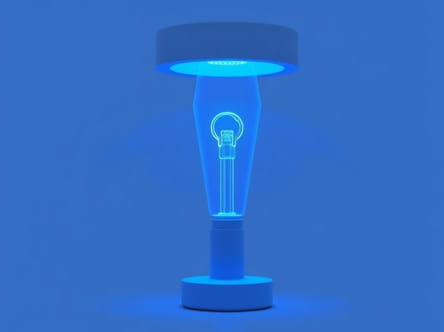
Ultraviolet (UV) germicidal lamps have gained significant attention in recent years as a powerful tool for disinfection and sterilization. These lamps utilize short-wave ultraviolet light, specifically UVC, to inactivate harmful microorganisms such as bacteria, viruses, and fungi. In various settings including hospitals, laboratories, water treatment facilities, and even homes, UV germicidal lamps provide an effective method to improve hygiene and reduce the risk of infections. The benefits of using UV germicidal lamps extend beyond simple disinfection, offering a range of advantages for public health, environmental safety, and overall well-being.
How UV Germicidal Lamps Work
UV germicidal lamps emit ultraviolet light in the UVC spectrum, typically between 200 and 280 nanometers. This type of light penetrates the cells of microorganisms and damages their DNA or RNA, preventing them from replicating and causing infection. Unlike chemical disinfectants, UV light works without leaving any residues or altering the surface it disinfects. The efficiency of a UV germicidal lamp depends on factors such as intensity, exposure time, distance from the surface, and the type of microorganism being targeted. Proper installation and operation are essential to maximize the effectiveness of these lamps while ensuring safety.
Applications in Healthcare
In hospitals and medical facilities, UV germicidal lamps play a critical role in infection control. High-touch surfaces, patient rooms, surgical theaters, and laboratory spaces are frequently exposed to pathogens. Using UV lamps can significantly reduce the risk of hospital-acquired infections (HAIs), including MRSA, C. difficile, and other resistant bacteria. UV disinfection complements routine cleaning protocols, providing an additional layer of protection for both patients and healthcare staff. Some facilities also use mobile UV units that can be moved from room to room, ensuring comprehensive sterilization without the need for harsh chemicals.
Use in Water and Air Purification
UV germicidal lamps are widely used in water treatment systems to eliminate microorganisms that can cause waterborne diseases. By integrating UV lamps into filtration systems, municipalities and private facilities can ensure that drinking water is free from bacteria, viruses, and protozoa without the use of chlorine or other chemical disinfectants. Similarly, UV lamps are employed in HVAC systems and air purifiers to improve indoor air quality. By inactivating airborne pathogens, UV germicidal lamps reduce the risk of respiratory infections and create safer environments in offices, schools, and public spaces.
Benefits of UV Germicidal Lamps
The advantages of using UV germicidal lamps are numerous and span health, environmental, and operational domains. Key benefits include
Effective Disinfection
UV germicidal lamps provide rapid and reliable inactivation of a wide range of pathogens. They are effective against bacteria, viruses, and fungi, including antibiotic-resistant strains. Unlike chemical disinfectants that may require specific contact times or leave residues, UV light can achieve high levels of sterilization efficiently and without additional cleanup.
Non-Toxic and Chemical-Free
Since UV germicidal lamps use light to disinfect, there is no need for chemical agents, which can be harmful to humans and the environment. This makes UV lamps ideal for use in sensitive areas such as food processing facilities, laboratories, and homes with children or pets. The chemical-free nature also reduces the risk of allergic reactions or chemical residues on surfaces.
Cost-Effective and Sustainable
Although the initial investment in UV germicidal lamps can be significant, the long-term operational costs are relatively low. UV lamps consume minimal electricity and have a long operational lifespan, reducing the need for frequent replacements or the purchase of chemical disinfectants. Additionally, UV disinfection systems minimize water and chemical waste, contributing to sustainable hygiene practices.
Reduction of Hospital-Acquired Infections
In healthcare settings, the use of UV germicidal lamps has been shown to lower the incidence of HAIs. By effectively targeting bacteria and viruses on surfaces and in the air, UV disinfection reduces the risk of patient complications, decreases hospital stays, and improves overall patient outcomes. This not only benefits public health but also reduces healthcare costs associated with infection management.
Applications in Food Safety
Food processing and storage facilities benefit greatly from UV germicidal lamps. By sterilizing surfaces, equipment, and packaging materials, UV lamps help prevent contamination and prolong the shelf life of perishable products. This contributes to food safety, reduces waste, and ensures compliance with regulatory standards for hygiene and sanitation.
Environmental Safety
Unlike some traditional disinfectants that release toxic fumes or contribute to chemical pollution, UV germicidal lamps offer an eco-friendly alternative. By reducing reliance on chemicals, they help protect the environment while maintaining high standards of hygiene. Additionally, UV systems can be integrated into existing infrastructure without significant modifications, promoting sustainable hygiene practices across various industries.
Precautions and Safety Considerations
While UV germicidal lamps are highly effective, safety precautions are crucial. Direct exposure to UVC light can cause skin burns and eye injuries, so lamps should be installed in a way that prevents accidental exposure. Many systems use shielding, timers, or motion sensors to ensure that humans are not present during active disinfection. Proper maintenance, including regular cleaning of lamp surfaces and timely replacement, is also important to maintain effectiveness.
Integrating UV Lamps into Daily Use
To maximize the benefits of UV germicidal lamps, they can be combined with standard hygiene practices
- Use UV lamps alongside routine cleaning to ensure comprehensive surface sterilization
- Install UV systems in HVAC units to continuously improve air quality
- Use portable UV devices for quick disinfection of high-touch surfaces in homes or offices
- Follow manufacturer guidelines for lamp placement, exposure time, and maintenance
UV germicidal lamps offer a wide range of benefits, from effective disinfection of surfaces and air to the reduction of hospital-acquired infections and improved food safety. Their chemical-free, non-toxic nature makes them suitable for sensitive environments, while their cost-effectiveness and sustainability appeal to both industrial and domestic users. Proper installation, usage, and safety precautions ensure that these lamps provide optimal sterilization without causing harm to humans or the environment. As awareness of hygiene and pathogen control continues to grow, UV germicidal lamps are increasingly recognized as a reliable and efficient tool for promoting health, safety, and environmental responsibility.
By incorporating UV germicidal lamps into healthcare, water treatment, food processing, and home hygiene routines, individuals and organizations can significantly reduce the risk of infections, create safer environments, and support sustainable practices. Their versatility and effectiveness make them an invaluable addition to modern sanitation strategies, providing tangible benefits for public health and overall well-being.