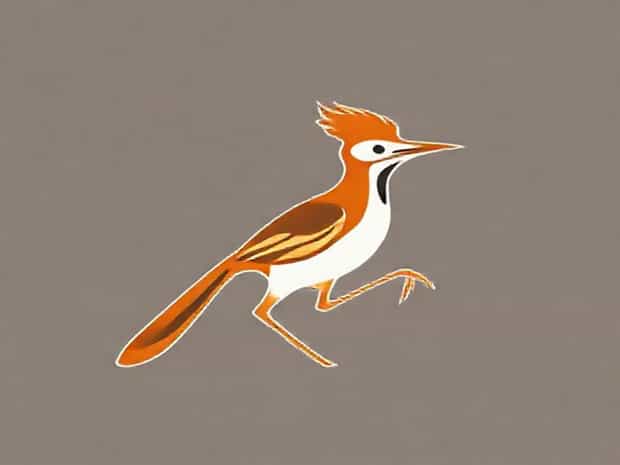
The roadrunner is a fascinating and unique bird native to the deserts and arid regions of the southwestern United States and Mexico. Known for its speed, distinctive appearance, and remarkable hunting skills, the roadrunner has captured the curiosity of scientists, bird enthusiasts, and the general public alike. It is often associated with dry, open landscapes where it can run swiftly across the ground in search of food. Understanding what animal a roadrunner is, its behavior, and its ecological role provides insight into how species adapt to harsh environments and survive in challenging conditions.
Classification and Species
The roadrunner belongs to the family Cuculidae, which is the cuckoo family. There are two recognized species the Greater Roadrunner (Geococcyx californianus) and the Lesser Roadrunner (Geococcyx velox). The Greater Roadrunner is the more widely known species and is larger in size, while the Lesser Roadrunner is slightly smaller and more common in Mexico and Central America. Both species share similar physical traits, behaviors, and ecological niches, making them well-adapted to life in desert and scrubland habitats.
Physical Characteristics
Roadrunners are medium-sized birds, measuring approximately 20 to 24 inches in length with a wingspan of about 17 to 22 inches. They have long legs and a strong, curved beak, which aids in catching prey. Their plumage is generally brown with streaks of black and white, providing excellent camouflage against desert terrain. Roadrunners also have a distinctive crest on their heads and a long tail that helps with balance while running at high speeds. Despite being capable of flight, roadrunners spend most of their time on the ground and are renowned for their running abilities.
Behavior and Movement
Roadrunners are ground-dwelling birds that prefer to run rather than fly. They are capable of reaching speeds up to 20 miles per hour, which makes them efficient hunters and able to escape predators quickly. Their running ability is supported by strong legs, agile movements, and excellent coordination. While they can fly short distances to escape danger or reach perches, roadrunners rely primarily on their speed and stealth to navigate their environment.
Feeding and Diet
Roadrunners are carnivorous and opportunistic feeders. Their diet includes insects, small reptiles such as lizards and snakes, rodents, birds, and eggs. They are also known to eat scorpions and other arachnids, displaying a remarkable ability to handle venomous prey safely. Roadrunners use their strong beak to catch, stun, and consume prey, and their hunting technique often involves a combination of running, stalking, and striking with precision. They play an important role in controlling populations of small animals and insects within their habitat.
- Primary diet consists of insects, lizards, and small mammals.
- Also consumes eggs and occasionally small birds.
- Exhibits hunting strategies including running and stalking.
- Helps maintain ecological balance in desert and scrubland areas.
Reproduction and Nesting
Roadrunners are monogamous during the breeding season, with pairs working together to build nests and raise young. Nests are constructed in low shrubs, cacti, or trees and are made of sticks and other plant materials. Females lay between 2 to 6 eggs per clutch, which are incubated by both parents for about 20 days. After hatching, chicks are fed by both parents and fledge approximately two to three weeks later. Roadrunners demonstrate strong parental care, protecting their young from predators and ensuring they have adequate food to thrive.
Breeding Behavior
Mating rituals often involve displays of physical prowess, vocalizations, and courtship feeding, where the male presents food to the female. These behaviors strengthen the pair bond and increase the likelihood of reproductive success. The roadrunner’s breeding season generally coincides with periods of higher prey availability, ensuring that the chicks have ample food resources for growth and development.
Habitat and Distribution
Roadrunners are primarily found in arid and semi-arid regions of North America. The Greater Roadrunner is common in the deserts and scrublands of Arizona, New Mexico, Texas, and California, extending into northern Mexico. The Lesser Roadrunner is found further south in Mexico and parts of Central America. These birds prefer open landscapes with scattered shrubs, low trees, and cacti, which provide both hunting grounds and nesting sites. Their ability to thrive in harsh environments demonstrates their adaptability and resilience.
Adaptations to Desert Life
Roadrunners have evolved several adaptations to survive in desert environments. They can tolerate high temperatures, go without water for extended periods, and extract moisture from the food they consume. Their diet flexibility allows them to switch between different prey depending on availability, and their running skills help them catch fast-moving prey and evade predators. These adaptations make the roadrunner a successful desert predator capable of thriving where other species might struggle.
Vocalizations and Communication
The roadrunner has a distinctive vocal repertoire that includes cooing, barking, and rattling sounds. These vocalizations serve multiple purposes, such as defending territory, attracting mates, and communicating with family members. During courtship, males often perform vocal displays accompanied by physical posturing to demonstrate fitness and attract a female. Communication is an essential aspect of roadrunner behavior, allowing them to coordinate hunting, mating, and parental care effectively.
Predation and Defense
Despite their speed, roadrunners face predation from larger birds of prey, snakes, and mammals. They rely on camouflage, alertness, and rapid flight or running to escape threats. Roadrunners may also use their strong beak to defend against smaller predators. Their vigilance and agility are key survival strategies in the open landscapes where cover is limited.
Ecological Significance
Roadrunners play a vital role in desert ecosystems. By preying on insects, small reptiles, and rodents, they help control populations of potentially harmful species. Their predatory habits contribute to the balance of food webs and maintain biodiversity within their habitats. Roadrunners also indirectly benefit humans by reducing pest populations and serving as indicators of ecosystem health. Observing their behavior provides valuable insight into predator-prey dynamics in arid environments.
- Control insect and small vertebrate populations.
- Serve as indicators of desert ecosystem health.
- Contribute to maintaining biodiversity in arid regions.
- Demonstrate remarkable adaptability to harsh environments.
The roadrunner is a unique and fascinating bird species, renowned for its speed, hunting abilities, and adaptability to desert life. Understanding what animal a roadrunner is involves recognizing its classification within the cuckoo family, its behavior as a ground-dwelling predator, and its ecological significance. From breeding and nesting to hunting and vocal communication, the roadrunner exhibits a wide range of behaviors that highlight the intricacies of life in arid landscapes. Protecting their habitats ensures the continued survival of this iconic bird, allowing future generations to appreciate its remarkable role in North American ecosystems.