Cooking delicate food like fish requires not only skill but also the right tools. One of the most important tools in any kitchen that handles seafood is a fish spatula. This specific utensil might not look very different from a regular spatula at first glance, but it has unique features that make it essential for precise and gentle food handling. Whether you’re a professional chef or a home cook trying to perfect your salmon sear, understanding what a fish spatula is and how it works can greatly improve your cooking experience.
Definition and Purpose
What Is a Fish Spatula?
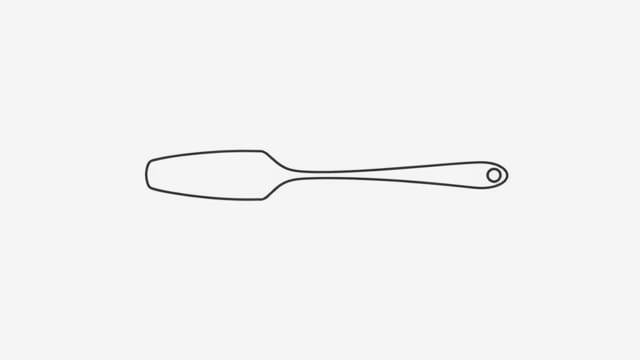
A fish spatula is a thin, slotted kitchen utensil designed to lift, flip, and serve delicate foods such as fish fillets. Unlike standard spatulas, a fish spatula is characterized by its slightly curved, elongated blade and its flexible yet sturdy construction. The blade is usually made of stainless steel and features wide, offset slots that allow oils and liquids to drain through, making it ideal for frying or sautéing.
Why It’s Called a Fish Spatula
The name fish spatula comes from its primary function: handling fish. Fish fillets are delicate, prone to flaking or breaking apart during cooking. This spatula’s design allows cooks to maneuver fish easily without tearing it. However, its use isn’t limited to fish. It can also be used for eggs, pancakes, and even cookies, proving its versatility.
Key Features of a Fish Spatula
Unique Blade Design
- Slotted construction: Helps drain oil and liquids while lifting food.
- Angled blade: Makes it easier to slide under delicate food items.
- Curved edge: Follows the contour of the pan and provides a better lifting angle.
Material and Build
- Stainless steel blade: Offers flexibility without sacrificing durability.
- Wooden or plastic handle: Heat-resistant and comfortable for long use.
- Offset handle design: Keeps hands away from heat while improving leverage.
Benefits of Using a Fish Spatula
Preserves Food Integrity
Fish fillets, especially when cooked skin-side down, can be challenging to flip without damage. The thin and flexible blade of a fish spatula easily slides underneath the fillet, supporting it while keeping the skin intact. This makes it perfect for presenting dishes in a visually appealing way.
Improves Cooking Control
Thanks to its precision design, cooks can easily lift or flip food without disturbing adjacent items in the pan. This is especially useful when cooking multiple fillets or pieces of food at once.
Reduces Mess
The slotted design not only helps drain oil or sauces but also minimizes splashing and dripping. This results in cleaner plating and a tidier cooking area.
Common Uses Beyond Fish
Versatility in the Kitchen
Though called a fish spatula, it’s used for many other kitchen tasks:
- Flipping burgers without squishing them
- Turning pancakes with minimal breakage
- Sliding under fried eggs or omelets
- Lifting cookies or pastries off baking sheets
- Serving lasagna or other layered dishes
Ideal for Non-Stick Cookware
Many fish spatulas now come with silicone-coated edges or plastic materials that are safe to use with non-stick cookware. This prevents scratching and extends the life of your pans.
How to Choose the Right Fish Spatula
Material Considerations
- Stainless steel: Durable and flexible; suitable for high-heat cooking.
- Plastic or silicone: Best for non-stick surfaces but less flexible.
- Wood: Traditional and gentle but not ideal for fine control or draining.
Handle Comfort and Grip
Look for ergonomic designs that offer a firm grip and remain cool even during high-temperature cooking. A well-balanced handle also provides better control and reduces hand fatigue.
Length and Flexibility
The length should be long enough to keep your hand away from heat, while the blade should be flexible enough to slide under food, yet strong enough to lift it. Some spatulas are designed specifically for left-handed or right-handed users.
Proper Care and Maintenance
Cleaning Tips
- Wash with warm soapy water immediately after use.
- Avoid using abrasive sponges that can scratch the metal.
- If dishwasher safe, place it in the top rack to avoid warping.
Storage Suggestions
Store the spatula in a utensil drawer or hang it on a kitchen hook to maintain its shape. Avoid storing it at the bottom of a crowded drawer, where it can bend or become damaged.
Common Mistakes to Avoid
Using the Wrong Spatula for the Task
Using a fish spatula for heavy foods like steaks or large roasts may result in bending or breaking. It’s best suited for delicate or medium-weight food items.
Neglecting Blade Maintenance
Although stainless steel is rust-resistant, it can still stain if left in moisture. Dry the spatula thoroughly after each wash to maintain its finish.
Using on High Heat with Plastic Models
Plastic spatulas can melt or warp under very high heat. Ensure your spatula is made for the type of cooking you plan to do.
Why Every Kitchen Should Have One
Professional-Level Performance
Even in home kitchens, a fish spatula delivers performance that rivals professional-grade tools. Its multi-functionality makes it a staple item worth investing in.
Budget-Friendly Option
Fish spatulas are available at various price points, from budget to premium, making it easy to find one that fits your needs and budget without sacrificing quality.
Improves Overall Cooking Results
Whether you’re a novice cook or an experienced chef, a fish spatula enhances the outcome of your dishes by offering more control, better presentation, and cleaner results.
A fish spatula is more than just a tool for flipping seafood. It’s a multipurpose kitchen utensil that brings precision, care, and efficiency to many cooking tasks. From gently lifting a fragile fillet of trout to flipping a delicate pancake or serving crispy bacon, this simple yet thoughtfully designed tool deserves a permanent place in your kitchen drawer. With its unique shape, flexible build, and practicality, a fish spatula proves that sometimes the best kitchen tools are the ones designed for very specific yet surprisingly versatile tasks.