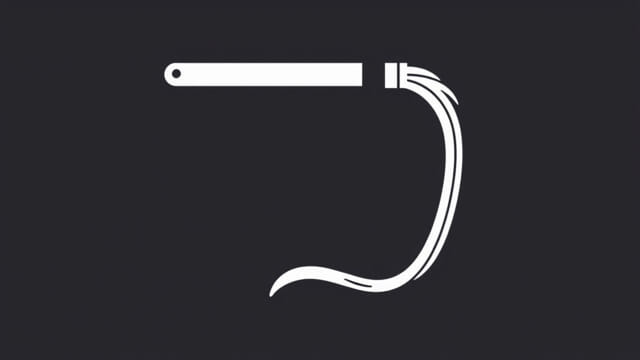
Language evolves constantly, often creating slang terms that carry different meanings depending on context, region, or social group. One such term that sparks curiosity is ‘flogger.’ While it might sound straightforward, its slang usage can be complex and sometimes misunderstood. Depending on the environment, whether it’s casual conversation, niche communities, or online subcultures, ‘flogger’ slang takes on specific and occasionally surprising connotations. Understanding these meanings is essential for clear communication and cultural awareness, particularly when navigating online spaces, subcultural slang, or alternative lifestyle groups.
Understanding the Slang Meaning of Flogger
Origins and Literal Meaning
The word flogger originates from the verb to flog, which traditionally means to whip or beat someone, usually as punishment. Historically, it was used in military or naval settings where flogging was a disciplinary method. From this literal root, the term evolved in different contexts, eventually giving rise to various slang meanings.
Common Slang Interpretations
In modern slang, especially within specific communities, flogger has adopted more nuanced meanings:
- In BDSM subculture: A flogger refers to a multi-tailed whip used in consensual impact play. This is one of the most recognized slang uses today within adult communities.
- In British slang: Flogger may refer to someone who sells something, often secondhand items or cheap goods. It can also imply someone who aggressively promotes or pushes a product.
- In digital or blog-related spaces (less common): Flogger has been used to describe someone who blogs frequently or is overly promotional on social media platforms, combining fake and blogger in a pejorative sense.
Flogger in the BDSM Community
What Is a BDSM Flogger?
In BDSM, a flogger is a specific type of tool used in consensual impact play. It consists of a handle and multiple leather, rubber, or synthetic strands (called falls). Unlike a single-tailed whip, the flogger provides a more dispersed sensation when it strikes the body, which can range from light and thuddy to sharp and stingy, depending on the material and force used.
Role and Symbolism
The flogger holds symbolic and functional importance in BDSM dynamics. It can represent dominance and submission roles, with the dominant partner (often called the top or dom) using the flogger on the submissive partner (the bottom or sub). It’s also a tool that requires skill and consent, making it a core object in many BDSM interactions.
Usage and Safety
Using a flogger involves careful attention to safety, communication, and trust. Safe zones for flogging include fleshy parts of the body like the upper back and buttocks, while areas like the kidneys or spine should be avoided. Practitioners often engage in detailed negotiations and establish safe words to ensure mutual comfort and boundaries are respected.
British Slang: Flogger as a Seller
Street and Marketplace Jargon
In British English, flogger is often used informally to describe someone who sells goods, typically in a casual, unauthorized, or aggressive way. For example, He’s flogging knock-off watches down at the market means the person is selling imitation or unofficial products. This slang usage is often neutral but can carry a slightly negative or cheeky tone depending on context.
Use in Advertising or Sales
The term may also describe someone who aggressively promotes or tries to offload items, services, or even ideas. In this context, flogger overlaps with terms like hustler or pusher, though not necessarily in a criminal sense. It can apply to door-to-door salespeople, market traders, or individuals constantly pitching something.
Internet and Social Media Usage
Flogger as a Derogatory Term
In certain online communities, flogger has occasionally been used to criticize influencers or content creators perceived as disingenuous or overly commercialized. This version of the term blends fake and blogger, targeting individuals who prioritize product endorsements or aesthetics over authenticity. Although this usage is not widespread, it does reflect the tension between creativity and commercialization on social media.
Rise and Fall of the Term
This slang meaning gained some traction in the early 2010s, especially among fashion and beauty bloggers. However, its use has declined in recent years as social media platforms and influencer culture have matured and diversified. Still, in niche discussions, especially those centered on authenticity and brand behavior, the term can occasionally reappear.
How to Recognize Context
Why Context Matters
The word flogger means different things depending on where and how it is used. Without understanding the surrounding context, its use can lead to confusion or misinterpretation. For example:
- In a hardware store: likely a reference to someone selling tools.
- In a BDSM forum: almost certainly referring to the impact toy.
- In a market or street setting in the UK: describing someone selling goods.
- On a critical blog post: possibly targeting an influencer with insincere content.
Understanding Social or Cultural Nuance
Slang is deeply connected to social groups, regional dialects, and subcultural identities. Flogger illustrates how a single word can evolve and take on multiple meanings, each meaningful within its own sphere. This fluidity makes it a fascinating term for linguists and everyday users alike.
The slang term flogger carries diverse meanings based on context. It can refer to a consensual impact toy used in BDSM practices, a street seller in British slang, or a critical label in online influencer culture. Each usage reflects unique aspects of language evolution, cultural identity, and group communication. Understanding what flogger means in any given situation requires listening carefully, recognizing the context, and being aware of the group norms in which the term is being used. As with all slang, meaning is not fixed it’s dynamic and influenced by how and where people use it. Whether you’re encountering the term in a conversation, blog, or marketplace, knowing these different interpretations will help you navigate the word confidently and appropriately.