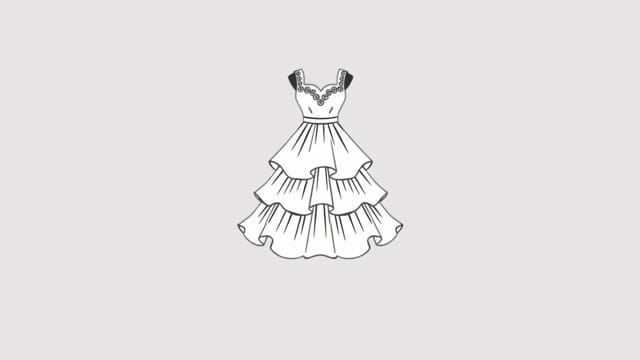
A frilly dress is more than just a piece of clothing it is a statement of femininity, elegance, and playful charm. Often associated with delicate fabrics and elaborate details, a frilly dress captures attention through its decorative features such as ruffles, lace, and gathered trims. These dresses are popular in a variety of fashion styles, from vintage and romantic to whimsical and modern. Understanding what a frilly dress is involves looking at both its visual characteristics and the cultural significance it holds in different contexts of fashion and style.
Definition and Characteristics of a Frilly Dress
What Makes a Dress Frilly?
A frilly dress is typically characterized by its use of additional decorative fabric elements. These elements may include:
- Ruffles
- Lace accents
- Pleats or gathers
- Tulle overlays
- Layered hems or sleeves
The word frilly itself comes from frill, which refers to an ornamental edge or strip of material. In dresses, these frills are used to create texture, volume, and a soft, romantic silhouette.
Materials Commonly Used
Frilly dresses are often made from light, soft, and flowy fabrics that help accentuate the movement of the ruffles and decorative details. Common materials include:
- Chiffon
- Tulle
- Lace
- Cotton voile
- Silk or satin blends
These materials enhance the whimsical and delicate appearance that is central to the appeal of frilly dresses.
Fashion Styles Featuring Frilly Dresses
Romantic and Vintage-Inspired Styles
Frilly dresses are a staple in romantic fashion. These designs often draw inspiration from historical fashion periods such as the Victorian or Edwardian eras. Key features include high necklines, puffed sleeves, and long, flowing skirts with multiple layers of frills. Vintage tea dresses or prairie dresses often include frilly detailing around the collar, cuffs, and hem.
Modern Interpretations
Contemporary fashion has embraced the frilly dress by incorporating frill accents into minimalist or structured designs. These dresses can be found in shorter lengths, sleeker cuts, and more neutral color palettes. The frills in modern dresses serve as a statement piece, adding a bold contrast to otherwise simple silhouettes.
Children’s Fashion
Frilly dresses are especially popular in children’s wear, particularly for formal events or celebrations like birthdays and weddings. These dresses often feature full skirts, bright colors, and layers of tulle or ruffles that enhance their fairytale-like appearance.
Occasions for Wearing a Frilly Dress
Formal Events and Celebrations
Frilly dresses are commonly worn to special occasions where elegance and femininity are desired. Examples include:
- Weddings (as a guest or flower girl)
- Tea parties
- Proms or dances
- Garden parties
These settings offer the perfect backdrop for showcasing a frilly dress’s beauty and charm.
Everyday Wear
Not all frilly dresses are reserved for formal occasions. Many casual versions feature light cotton materials and shorter lengths, making them suitable for everyday wear during warmer seasons. These types may include sundresses or smock dresses with frilled sleeves or skirts.
Styling Tips for Frilly Dresses
Accessorizing
Because frilly dresses already contain a lot of visual detail, it’s best to keep accessories minimal. Consider:
- Simple stud earrings or dainty chains
- Classic ballet flats or sandals
- A plain clutch or small handbag
Neutral tones and subtle accessories allow the dress to remain the focal point of the outfit.
Layering Options
Frilly dresses can be layered with other clothing items for a stylish and practical look:
- Add a denim jacket for a casual touch
- Pair with a cardigan in cooler weather
- Wear with tights or leggings for added warmth
These combinations help adapt the frilly dress to different seasons and occasions.
The Appeal of Frilly Dresses
Symbolism and Cultural Significance
Frilly dresses have long been associated with traditional ideals of femininity. The frills themselves symbolize softness, delicacy, and beauty. In some cultures, frilly dresses are linked with coming-of-age ceremonies or rites of passage, such as quinceañeras or debutante balls. They often represent transformation, celebration, and elegance.
Expression of Personal Style
For many, wearing a frilly dress is a form of self-expression. It may reflect a love for vintage fashion, a romantic outlook, or a playful and carefree attitude. The variety of styles and materials allows wearers to tailor their choice to suit their unique personalities and tastes.
Popular Variations of Frilly Dresses
Empire Waist Frilly Dress
This variation features a high waistline just under the bust, flowing into a loose skirt adorned with ruffles or frills. It’s flattering for many body types and exudes a dreamy, bohemian feel.
Tiered Skirt Dress
Tiered frilly dresses have skirts made up of multiple horizontal layers, often with ruffles or pleats between each layer. These create dramatic movement and volume, perfect for occasions where a more flamboyant look is desired.
Ruffled Sleeve Dress
Some dresses focus their frill design on the sleeves, adding exaggerated puff or flutter effects to the arms while keeping the rest of the dress simple. This adds elegance without overwhelming the entire look.
Care and Maintenance
Washing Tips
Due to their delicate nature, frilly dresses often require gentle care. To maintain their shape and fabric quality, consider the following:
- Hand wash or use the delicate cycle on your machine
- Use a mesh garment bag to prevent snagging
- Avoid using harsh detergents or bleach
Storage Suggestions
Frilly dresses should be stored in a way that protects their decorative features. Use padded hangers and allow space between garments to prevent flattening the ruffles or lace. For longer-term storage, consider garment bags to shield against dust and damage.
A frilly dress is more than just clothing it is a blend of tradition, charm, and personal expression. With its distinctive use of ruffles, lace, and delicate fabrics, the frilly dress holds a special place in both formal fashion and everyday wear. Whether worn by a child attending a party or an adult embracing a romantic aesthetic, these dresses continue to be a beloved fashion choice. Their timeless appeal and versatile design ensure that frilly dresses remain a cherished item in wardrobes around the world.