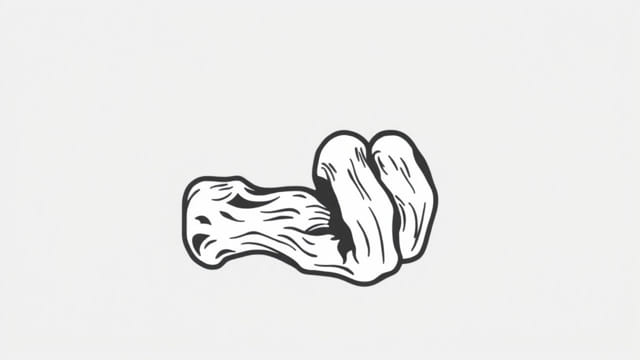
The term ‘gnarled finger’ often evokes an image of a hand shaped by age, injury, or disease, where one or more fingers appear twisted, misshapen, or bumpy. Gnarled fingers are not just a cosmetic concern they can be indicators of underlying health conditions, especially related to joints and bones. While some cases are mild and develop naturally over time, others may be the result of chronic conditions like arthritis, past trauma, or repetitive strain. Understanding what causes a finger to become gnarled can help in both recognizing symptoms and seeking the appropriate treatment or care.
Definition of a Gnarled Finger
What Does ‘Gnarled’ Mean?
The word gnarled refers to something twisted or misshapen, often rough or knotted in appearance. In the context of fingers, it describes fingers that are visibly bent, enlarged at the joints, or have noticeable deformities in shape or structure. The skin over the joints may also appear stretched, shiny, or thickened.
Gnarled Finger Explained
A gnarled finger typically develops due to changes in the bone, joint, or connective tissue. It may involve swelling, loss of mobility, or pain depending on the underlying cause. The condition can affect one or multiple fingers and may gradually worsen over time, especially if left untreated. In many cases, gnarled fingers are associated with arthritis, particularly osteoarthritis or rheumatoid arthritis.
Common Causes of Gnarled Fingers
Osteoarthritis
This is the most common reason for gnarled fingers. Osteoarthritis involves the gradual wearing down of cartilage at the joints, leading to bone-on-bone friction. Over time, this causes inflammation, swelling, and the formation of bone spurs that distort the natural shape of the finger.
Rheumatoid Arthritis
Unlike osteoarthritis, rheumatoid arthritis is an autoimmune condition that causes the body’s immune system to attack its own joints. This can lead to joint deformities, severe swelling, and painful gnarled fingers. Rheumatoid arthritis often affects both hands symmetrically.
Dupuytren’s Contracture
Another condition that can lead to gnarled fingers is Dupuytren’s contracture. It causes the connective tissue under the skin of the palm to thicken and tighten, pulling the fingers into a bent position over time. It typically affects the ring and little fingers.
Previous Injury or Fracture
Past injuries to the hand or fingers, such as fractures or severe sprains, can lead to joint stiffness, misalignment, or bone remodeling. Over time, these changes may cause a finger to appear crooked or gnarled, especially if the injury didn’t heal properly.
Genetic or Congenital Factors
Some people may be born with hand deformities or may develop them at a young age due to genetic conditions. These cases often require specialized care and may be accompanied by other skeletal or muscular abnormalities.
Symptoms Associated with Gnarled Fingers
Physical Appearance
- Visible curvature or twisting of the fingers
- Swelling around the joints
- Knobby or enlarged knuckles
- Skin changes, including thickening or tautness
Functional Symptoms
- Reduced range of motion
- Pain or stiffness, especially in the morning
- Difficulty gripping or holding objects
- Clicking or popping sounds during movement
Progressive Nature
In many cases, the symptoms of gnarled fingers gradually worsen over time. Early signs may be limited to joint stiffness or occasional discomfort. However, without intervention, deformities can become more pronounced, and hand function may decline significantly.
Diagnosis of Gnarled Fingers
Medical History and Physical Exam
A healthcare provider will usually begin by asking about the patient’s symptoms, medical history, and any past injuries. A physical examination of the hand and fingers helps identify signs like swelling, joint tenderness, or mobility limitations.
Imaging Tests
To confirm the underlying cause, doctors may order X-rays to view bone alignment and joint health. In more complex cases, MRI or ultrasound may be used to assess soft tissues like ligaments, tendons, and cartilage.
Laboratory Tests
Blood tests may be required, especially if an autoimmune disorder like rheumatoid arthritis is suspected. Markers such as rheumatoid factor (RF) or anti-CCP antibodies can support the diagnosis.
Treatment Options for Gnarled Fingers
Non-Surgical Treatments
- Medication: Pain relievers, anti-inflammatory drugs, or disease-modifying agents
- Physical Therapy: Exercises to improve flexibility and strength
- Splints or Braces: Supportive devices to maintain alignment
- Heat and Cold Therapy: Helps manage pain and inflammation
Surgical Treatments
In severe cases where mobility is significantly impaired or pain is persistent, surgery may be recommended. Surgical options can include joint replacement, tendon repair, or joint fusion, depending on the specific condition and severity.
Living with Gnarled Fingers
Adapting Daily Activities
Many people with gnarled fingers find it necessary to make small adjustments in daily life. Using ergonomic tools, larger-handled utensils, or voice-activated devices can make daily tasks easier and less painful.
Emotional and Social Impact
Gnarled fingers can also affect one’s self-esteem or confidence, especially in social situations. Support groups or counseling may be beneficial for individuals coping with chronic pain or visible physical changes.
Preventive Measures
Although not all causes are preventable, early detection and treatment of joint problems can slow progression. Regular hand exercises, maintaining a healthy weight, and protecting hands from repetitive strain or injury are all helpful strategies.
When to See a Doctor
Warning Signs
Seek medical attention if you experience:
- Sudden swelling or pain in the fingers
- Rapid changes in finger shape
- Loss of function or numbness
- Symptoms affecting both hands
Importance of Early Intervention
Early diagnosis can help limit long-term damage and improve outcomes. If treated early, many conditions that cause gnarled fingers can be managed effectively with minimal disruption to daily life.
A gnarled finger is more than just an unusual appearance it can reflect a wide range of medical conditions that affect joint and bone health. From osteoarthritis and rheumatoid arthritis to injury or congenital disorders, understanding the underlying cause is key to effective treatment. With proper diagnosis, lifestyle changes, and possibly medical or surgical intervention, individuals with gnarled fingers can still maintain a good quality of life. Staying informed and proactive about hand health is the best step toward preserving function and minimizing discomfort in the long term.