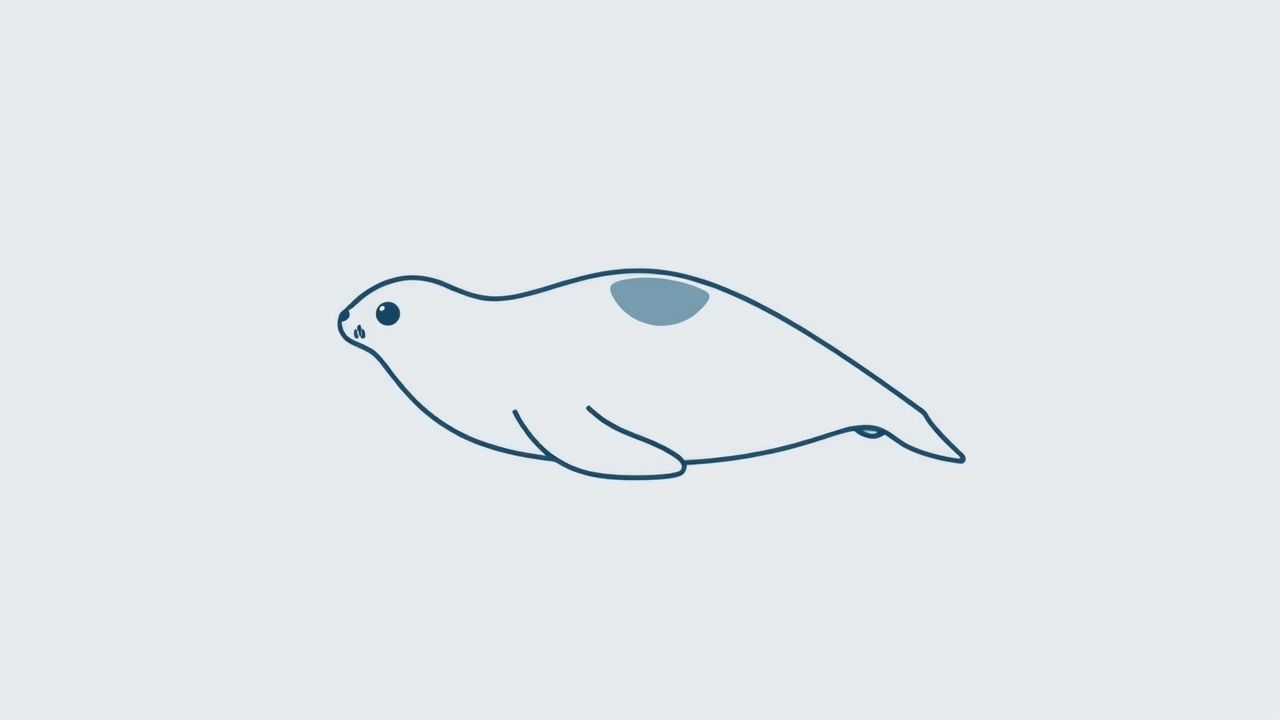
With their soft white coats and large dark eyes, harp seals have captured the attention of animal lovers and wildlife researchers alike. These marine mammals are native to the cold waters of the North Atlantic and Arctic Oceans and are known for their seasonal migrations, social behavior, and adaptability to harsh environments. From their unique life cycle to their survival strategies in icy habitats, the harp seal is a fascinating species that plays a key role in its ecosystem. Understanding what a harp seal is helps shed light not only on the animal itself but also on the broader marine world it inhabits.
Physical Characteristics of a Harp Seal
The harp seal, scientifically known as Pagophilus groenlandicus, is a medium-sized seal species known for its distinctive appearance. Adult harp seals typically measure about 1.7 to 2 meters (5.6 to 6.6 feet) in length and weigh between 130 and 140 kilograms (290 to 310 pounds).
Coloration and Coat Changes
One of the most striking features of a harp seal is its coat, which changes as the animal matures:
- Pups: Newborn harp seals, known as whitecoats, have fluffy, pure white fur. This helps them blend in with the snow and ice.
- Juveniles: As they grow, pups shed their white fur and develop a silvery-gray coat with dark spots. This stage is often called the beater phase.
- Adults: Mature harp seals have a light gray body with a black face and a unique, harp-shaped pattern on their back, which gives the species its name.
These changes help harp seals adapt to their environment and camouflage themselves from predators.
Habitat and Range
Harp seals inhabit cold, northern oceanic environments, particularly around the Arctic and North Atlantic Oceans. They are strongly associated with sea ice, which they use for breeding, molting, and resting.
Main Regions
- Northwest Atlantic: Off the coasts of eastern Canada and Greenland
- Greenland Sea: Between Greenland and the Svalbard archipelago
- White Sea: North of Russia, near the Barents Sea
These regions provide the ice platforms harp seals need to complete critical parts of their life cycle, especially during breeding season.
Diet and Feeding Behavior
Harp seals are carnivorous and feed mainly on fish and invertebrates. Their diet varies by region and season but generally includes:
- Capelin
- Herring
- Cod
- Krill
- Amphipods
Using their sensitive whiskers, harp seals can detect movement in the water and locate prey even in low-visibility conditions. They are excellent swimmers and can dive up to 300 meters (about 1,000 feet) in search of food.
Life Cycle and Reproduction
Harp seals follow a well-defined reproductive cycle, closely tied to the availability of sea ice. Breeding takes place once a year, usually in late February or early March.
Birth and Nursing
Female harp seals give birth to a single pup on the ice. The newborn, covered in white fur, weighs around 10 kilograms (22 pounds) at birth. Nursing lasts for approximately 12 days, during which the pup rapidly gains weight by feeding on its mother’s rich milk.
Weaning and Independence
After weaning, the mother abruptly leaves, and the pup must fend for itself. This transition is critical, as the young seal must learn to swim and hunt alone. The white fur is gradually shed, revealing the juvenile coat underneath.
Behavior and Social Structure
Harp seals are social animals that often travel in large groups. They are known for their seasonal migrations, which are among the longest of any seal species.
Migration Patterns
Harp seals migrate in response to ice conditions and food availability. They move between breeding grounds in the south and feeding areas farther north. These migrations can span thousands of kilometers and involve crossing open ocean and dense sea ice.
Communication
Harp seals communicate through vocalizations and body language. During breeding season, males produce a range of sounds to establish dominance and attract females. Pups use calls to stay in contact with their mothers during nursing.
Predators and Threats
Although harp seals are well-adapted to their environment, they face natural and human-related threats.
Natural Predators
- Polar bears
- Orcas (killer whales)
- Greenland sharks
- Walruses (primarily preying on pups)
These predators often target young or weak seals, especially when they are vulnerable on the ice.
Human Impacts
- Hunting: Harp seals have historically been hunted for their pelts, oil, and meat, particularly in Canada and Greenland.
- Climate change: Melting sea ice due to global warming poses a significant threat to harp seal populations, as it reduces their breeding and resting grounds.
- Fishing practices: Harp seals are sometimes caught unintentionally in commercial fishing gear, leading to injury or death.
Conservation efforts and international regulations have helped reduce some threats, but harp seals still face challenges in the modern world.
Conservation Status
Currently, the harp seal is classified as Least Concern by conservation organizations due to its large and widespread population. However, scientists continue to monitor the species closely, especially as climate change accelerates the loss of sea ice.
Protective Measures
Several countries have placed limits on commercial seal hunts or banned them entirely. Monitoring and research programs help assess the health of harp seal populations and guide policy decisions. Public awareness campaigns also play a role in reducing demand for seal products.
Interesting Facts About Harp Seals
- Harp seal pups don’t eat during the weaning period; all their nourishment comes from the mother’s milk.
- The scientific name Pagophilus groenlandicus means ice-lover from Greenland.
- Despite their chubby appearance, harp seals are agile swimmers and can reach speeds of up to 25 km/h (15 mph).
- They can hold their breath for up to 15 minutes during deep dives.
Harp seals are a remarkable example of adaptation to life in icy, unforgiving environments. With their distinctive coats, strong swimming abilities, and social nature, they continue to be an important species in the Arctic marine ecosystem. While their current population remains robust, ongoing threats like climate change and human activity require continued attention and conservation efforts. Learning more about what a harp seal is helps us better appreciate the complexity and beauty of ocean life and underscores the importance of protecting the habitats these animals rely on.