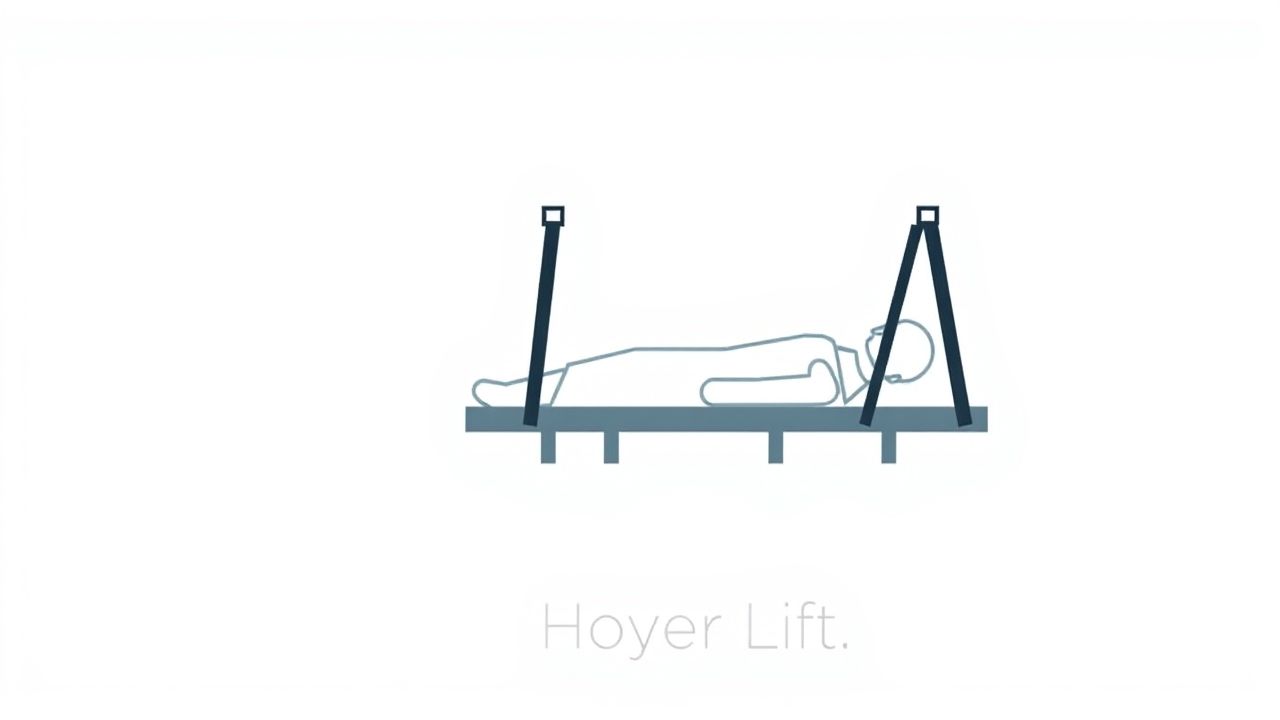
For individuals with limited mobility, simple daily movements such as getting out of bed or transferring from a wheelchair to a chair can be challenging and even dangerous without assistance. A Hoyer lift is a specialized medical device designed to safely and comfortably transfer patients with minimal physical effort from caregivers. These lifts are a vital part of home healthcare settings, hospitals, and long-term care facilities, providing both security for the patient and injury prevention for the caregiver. Understanding what a Hoyer lift is, how it works, and when it should be used is essential for anyone involved in caring for someone with mobility difficulties.
What Is a Hoyer Lift?
A Hoyer lift is a mechanical lifting device used to transfer individuals who cannot move on their own due to injury, illness, or disability. The term Hoyer lift is commonly used to refer to all patient lifts, but it originally comes from a brand name. The lift typically consists of a metal frame with a hydraulic or electric lifting mechanism and a sling that supports the patient during the transfer.
Hoyer lifts are designed to move patients safely between positions such as:
- From bed to wheelchair
- From wheelchair to toilet
- From the floor to a chair
- From chair to bathtub or shower seat
These lifts reduce the risk of falls and help protect both the patient and caregiver from injury during physically demanding transfers.
Types of Hoyer Lifts
There are several types of Hoyer lifts designed to meet different mobility and space needs. Choosing the right type depends on the patient’s condition, caregiver availability, and the layout of the home or care facility.
Manual Hoyer Lift
This type uses a hydraulic pump that the caregiver operates by hand. It is a cost-effective option, especially in home settings, and does not require electricity. While reliable and durable, manual lifts require physical strength to operate and may not be ideal for all caregivers.
Electric Hoyer Lift
Electric lifts use a rechargeable battery or plug-in motor to perform lifting tasks. They are easy to operate and require less effort from caregivers. Electric Hoyer lifts often come with handheld remotes, allowing precise control during transfers.
Portable and Folding Lifts
These lifts are designed for travel or small living spaces. They are lightweight, easy to assemble, and often foldable for storage. Although compact, they still offer strong lifting capacity and are ideal for temporary or mobile care situations.
Ceiling-Mounted Hoyer Lifts
Installed on tracks mounted to the ceiling, these lifts offer smooth and efficient patient transfers throughout a room or entire home. They eliminate the need to maneuver a base on the floor, making them great for rooms with limited space.
Parts of a Hoyer Lift
To understand how a Hoyer lift functions, it helps to know the main components involved:
- Lift Frame: The main structure that holds and supports the weight.
- Base and Casters: The wheeled base allows the lift to move. Some bases are adjustable for added stability.
- Boom and Mast: The vertical mast supports the boom arm, which extends over the patient and connects to the sling.
- Sling Attachment: The sling hangs from hooks or loops on the boom and cradles the patient securely during transfers.
- Lifting Mechanism: Either hydraulic (manual) or electric, this mechanism raises and lowers the boom.
Understanding the Sling
The sling is a crucial part of the Hoyer lift, as it directly supports the patient’s weight. Slings come in various styles, sizes, and materials to suit different patient needs.
Common Sling Types
- U-Sling: Easy to apply while the patient is seated; ideal for general transfers.
- Full-Body Sling: Offers maximum support; wraps around the back and under the thighs.
- Toileting Sling: Designed to allow clothing removal without removing the sling.
- Mesh Sling: Quick-drying, suitable for bathing or shower transfers.
Proper sizing and positioning of the sling are essential for safety and comfort. Caregivers should be trained in sling use to prevent injury or discomfort.
Benefits of Using a Hoyer Lift
The use of a Hoyer lift provides numerous benefits for both patients and caregivers:
- Safety: Reduces the risk of falls and injuries during transfers.
- Comfort: Provides a secure and supported lift with minimal strain.
- Independence: Allows caregivers to assist patients without requiring additional help.
- Efficiency: Speeds up daily routines and helps maintain a consistent care schedule.
- Preservation of dignity: Enables private and respectful transfers, especially in personal spaces like bathrooms.
Who Needs a Hoyer Lift?
Hoyer lifts are used in various care settings, including homes, nursing homes, and hospitals. They are beneficial for individuals who:
- Have severe mobility limitations
- Are recovering from major surgery or injury
- Live with neurological conditions like ALS or multiple sclerosis
- Are elderly and unable to stand or move without help
Medical professionals often recommend Hoyer lifts after a patient assessment, ensuring that the chosen device fits the individual’s medical and physical requirements.
How to Use a Hoyer Lift Safely
Proper training is essential when using a Hoyer lift. Caregivers should follow these general safety steps:
- Inspect the lift and sling for wear or damage before each use.
- Position the sling under the patient with care and precision.
- Lock the lift’s wheels if recommended before lifting (manuals vary).
- Raise the patient slowly, ensuring they remain balanced and comfortable.
- Move the lift carefully and avoid sudden motions.
- Lower the patient gently onto the target surface.
Following the manufacturer’s instructions and receiving hands-on training are strongly advised to avoid accidents and ensure smooth operation.
Maintenance and Care
Like any medical equipment, a Hoyer lift requires regular maintenance to stay functional and safe. Here are key maintenance practices:
- Clean the frame and sling with non-abrasive cleaners regularly.
- Charge batteries for electric models as instructed.
- Check bolts, straps, and clips for wear or loosening.
- Schedule annual inspections or servicing, especially for ceiling lifts.
Replacing slings after signs of wear and maintaining records of use and service can help extend the lifespan of the lift.
Purchasing or Renting a Hoyer Lift
Hoyer lifts can be purchased or rented depending on the duration of need. For short-term recovery or trial use, rentals may be more economical. Long-term or permanent care situations typically justify purchasing a lift.
Factors to Consider
- Weight capacity of the lift
- Home space and layout
- Ease of operation and setup
- Compatibility with slings
- Warranty and customer support
Medical supply companies, healthcare providers, and online retailers often provide options for different budgets and requirements.
A Hoyer lift is a critical tool in patient care, offering safety, comfort, and independence for those with mobility challenges. Whether used in a home, hospital, or care facility, it serves as a reliable solution for patient transfers that might otherwise be difficult or dangerous. By understanding how a Hoyer lift works, the types available, and how to use it properly, caregivers can provide more effective and compassionate care. As aging populations grow and in-home healthcare becomes more common, the value of Hoyer lifts will only continue to rise.
#kebawah#