In many kitchens, both professional and home-based, knives play a central role in food preparation. Among the different types available, one small but highly versatile tool often raises curiosity the paring knife. People frequently ask what is a paring knife used for because its size and shape make it look simple, yet its function is surprisingly broad. Understanding how this knife works and when to use it can make everyday cooking more efficient, precise, and enjoyable.
Understanding What a Paring Knife Is
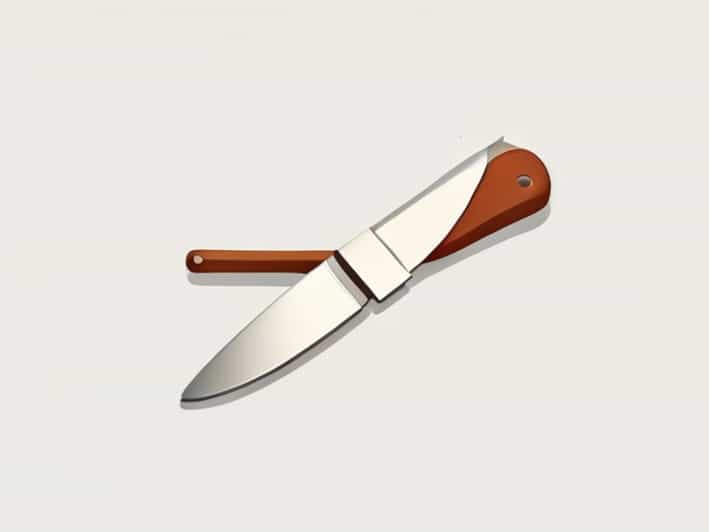
A paring knife is a small kitchen knife, typically featuring a blade that ranges from three to four inches in length. Unlike larger knives designed for heavy chopping or slicing, this knife is meant for detailed and controlled tasks. Its compact size allows the user to hold it comfortably and maneuver it easily, especially when working with smaller ingredients.
When people ask what is a paring knife used for, the simplest answer is that it is designed for precision. It handles tasks that require close attention and fine motor control rather than strength or speed.
The Design and Shape of a Paring Knife
The design of a paring knife contributes significantly to its functionality. Most paring knives have a narrow, sharp blade with a pointed tip. This shape allows for detailed cutting, peeling, and trimming. Some variations include straight edges, curved blades, or bird’s beak shapes, each serving slightly different purposes.
The lightweight nature of the knife also reduces hand fatigue, making it ideal for tasks that take time or require repetitive motion.
Key Design Features
- Short blade for better control
- Sharp pointed tip for detailed work
- Lightweight construction
- Comfortable handle for close grip
Primary Uses of a Paring Knife
To fully answer what is a paring knife used for, it helps to look at its most common applications in the kitchen. This knife excels at tasks where accuracy matters more than power.
One of its most frequent uses is peeling fruits and vegetables. Whether removing the skin from apples, potatoes, or carrots, the paring knife allows the user to follow the natural shape of the produce closely.
Peeling and Trimming Fruits and Vegetables
Peeling is often considered the classic job of a paring knife. The short blade allows for smooth, controlled movements, reducing waste and ensuring a clean finish. Trimming blemishes, cutting away bruises, or removing stems are also tasks where this knife performs well.
When preparing fresh produce, many cooks prefer a paring knife because it offers greater precision than a peeler, especially for irregular shapes.
Detailed Cutting and Garnishing
Another important answer to what is a paring knife used for lies in decorative and detailed work. Garnishing fruits, vegetables, or herbs requires careful cuts that larger knives cannot easily achieve.
Creating thin slices, small cubes, or decorative shapes becomes much easier with a paring knife. It is commonly used for tasks like carving citrus peels, shaping strawberries, or preparing delicate garnishes for presentation.
Examples of Detailed Tasks
- Removing seeds from peppers
- Cutting small fruits into uniform pieces
- Shaping garnishes for plating
- Scoring dough or soft foods
Using a Paring Knife for Meat and Seafood
While not designed for cutting large portions of meat, a paring knife can be useful for trimming small pieces. It is often used to remove excess fat, silver skin, or small bones from meat and poultry.
In seafood preparation, the paring knife is helpful for deveining shrimp or removing small bones from fish fillets. Its precision allows for clean cuts without damaging the surrounding flesh.
Paring Knife Versus Other Kitchen Knives
Understanding what is a paring knife used for also involves knowing when not to use it. Compared to chef’s knives or santoku knives, paring knives are not suitable for heavy chopping or slicing large items.
Each knife in the kitchen has a specific role. The paring knife complements larger knives by handling tasks that require control rather than force.
When to Choose a Paring Knife
- Working with small ingredients
- Performing delicate cuts
- Peeling and trimming
- Detail-oriented food preparation
Proper Technique for Using a Paring Knife
Using a paring knife correctly improves both safety and efficiency. Many people hold the knife in one hand while holding the food in the other, allowing the blade to move toward the thumb in a controlled motion.
Because the blade is sharp and small, steady hands and slow movements are recommended, especially for beginners. This technique makes it easier to maintain accuracy and avoid accidents.
Maintenance and Care of a Paring Knife
A well-maintained paring knife performs better and lasts longer. Regular sharpening ensures the blade remains effective, while proper cleaning prevents damage and discoloration.
Hand washing is generally recommended, as dishwashers can dull the blade and damage the handle. Storing the knife in a sheath or knife block helps protect both the blade and the user.
Why Every Kitchen Needs a Paring Knife
For anyone still wondering what is a paring knife used for, the answer becomes clear when considering its versatility. Despite its small size, it handles a wide range of essential tasks that larger knives cannot manage efficiently.
From peeling and trimming to garnishing and fine cutting, the paring knife adds precision and control to everyday cooking. It is often one of the most frequently used knives in both home and professional kitchens.
Choosing the Right Paring Knife
Selecting a paring knife depends on personal preference and intended use. Some people prefer a straight blade, while others find curved blades more comfortable. Handle shape and balance also play an important role in comfort.
Trying different styles can help determine which design feels most natural and effective.
Understanding what is a paring knife used for helps cooks make better use of their kitchen tools. This small knife is designed for precision, control, and detailed work, making it ideal for peeling, trimming, garnishing, and delicate cutting. While it may not replace larger knives, it plays a crucial supporting role in food preparation. With proper technique and care, a paring knife becomes an indispensable tool that enhances both efficiency and creativity in the kitchen.