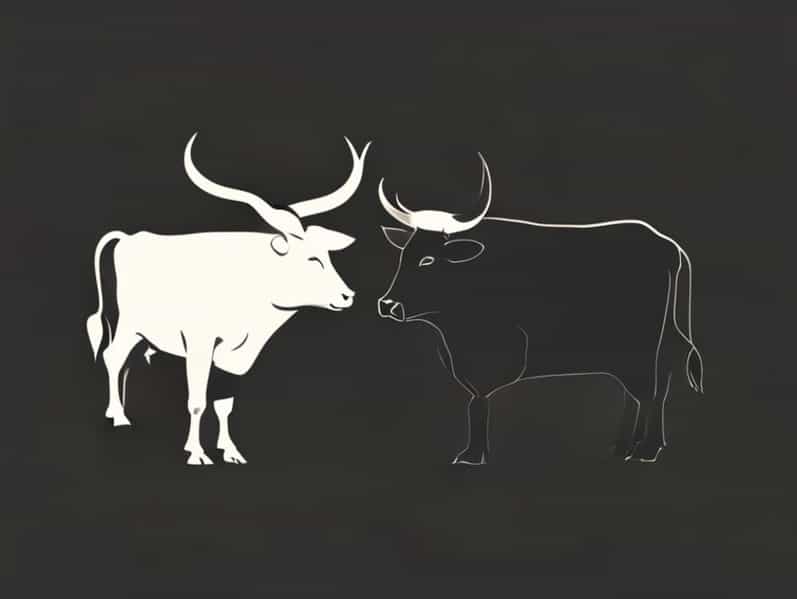
For many people, the terms steer and bull are often used interchangeably, especially outside farming or ranching communities. However, in the world of cattle and livestock management, these words have very specific meanings. Understanding what is a steer vs bull is important not only for farmers and ranchers, but also for consumers, students, and anyone interested in agriculture or food production. The difference affects behavior, breeding, meat quality, and how cattle are raised and handled throughout their lives.
Basic Definition of a Bull
A bull is a male cattle that has not been castrated and is fully capable of reproduction. Bulls play a critical role in breeding programs because they are responsible for fertilizing cows. Because of their natural hormones, especially testosterone, bulls tend to grow larger, develop more muscle mass, and display more aggressive or dominant behavior compared to other cattle.
Bulls are typically kept for breeding purposes rather than meat production. Their temperament and strength require experienced handling, and they are usually managed separately from other cattle except during controlled breeding periods.
Basic Definition of a Steer
A steer is a male cattle that has been castrated at a young age. Castration removes the animal’s ability to reproduce and significantly changes its hormonal development. As a result, steers are generally calmer, easier to manage, and better suited for meat production.
Most beef sold in markets comes from steers. Their growth patterns produce meat that is more tender and evenly marbled, making them ideal for beef production. When people ask what is a steer vs bull, this distinction is often the most important from a consumer perspective.
Key Differences Between a Steer and a Bull
Reproductive Ability
The most fundamental difference is reproduction. A bull can mate with cows and produce offspring, while a steer cannot. This single factor influences nearly every other difference between the two animals.
Hormonal Influence
Bulls produce high levels of testosterone, which affects their muscle development, behavior, and overall physiology. Steers, lacking this hormone, grow differently and tend to have a more balanced fat-to-muscle ratio.
Behavior and Temperament
Bulls are often more aggressive and territorial, especially around other males or during breeding seasons. Steers are typically calm, docile, and easier to handle, making them safer for farm workers and more suitable for large-scale feeding operations.
Physical Characteristics
When visually comparing a steer vs bull, there are noticeable physical differences. Bulls usually have thicker necks, heavier shoulders, and a more muscular appearance overall. Their bodies are built for strength and dominance rather than meat quality.
Steers tend to have a smoother body shape and more evenly distributed muscle. They also develop fat differently, which contributes to better beef texture and flavor. These physical traits make steers more desirable in the beef industry.
Role in Farming and Ranching
Bulls in Breeding Programs
Bulls are valuable assets on breeding farms. A single bull can service many cows, making him essential for herd reproduction. Ranchers carefully select bulls based on genetics, health, and temperament to improve herd quality over time.
Because bulls can be unpredictable, they require secure fencing and knowledgeable handling. Their role is specialized and limited compared to steers.
Steers in Beef Production
Steers are primarily raised for beef. From feedlots to pasture-based systems, steers are managed to achieve optimal growth and meat quality. Their calmer nature allows them to thrive in group settings with less stress.
Stress levels in cattle can affect meat quality, which is another reason steers are preferred for commercial beef production.
Meat Quality and Consumer Impact
One of the most practical reasons people want to understand what is a steer vs bull is related to meat quality. Beef from steers is generally more tender, flavorful, and consistent. The absence of testosterone allows fat to be deposited within the muscle, creating marbling.
Meat from bulls, often referred to as bull beef, can be tougher and leaner. While it is still edible, it is less commonly sold in mainstream markets and may require different cooking methods.
Economic Considerations
From an economic standpoint, steers are more profitable for meat production. They convert feed into muscle efficiently and produce a product that meets consumer expectations. This makes them the standard choice for beef operations.
Bulls, while valuable, are usually kept only as long as they are useful for breeding. Their maintenance costs and handling risks are higher, which limits their numbers on most farms.
Animal Welfare and Management
Castration, which turns a bull calf into a steer, is a common practice in livestock management. When done properly and at a young age, it is considered a standard animal welfare procedure. It reduces aggression, prevents unwanted breeding, and improves safety.
Understanding the difference between a steer and a bull also helps the public better appreciate how farmers balance productivity, safety, and animal well-being.
Common Misunderstandings
- All male cattle are not bulls; many are steers
- Steers are not females; they are castrated males
- Beef usually comes from steers, not bulls
- Bulls are not raised primarily for meat
- Behavior differences are hormone-related, not training-related
Steer vs Bull in Different Cultures
In some cultures, bulls hold symbolic or traditional significance beyond agriculture. However, in modern farming systems, practical roles define how these animals are managed. Steers are associated with food production, while bulls are associated with breeding and genetics.
This cultural separation further reinforces why understanding what is a steer vs bull is important across different regions and agricultural systems.
Why the Difference Matters
The distinction between a steer and a bull matters at every level of the beef supply chain. Farmers use this knowledge to manage herds efficiently. Veterinarians rely on it for proper care. Consumers benefit from understanding where their food comes from.
Even outside agriculture, knowing these terms improves general knowledge and helps avoid common mistakes in language and understanding.
When asking what is a steer vs bull, the answer goes far beyond a simple definition. It involves biology, behavior, farming practices, economics, and food quality. Bulls are intact males essential for breeding, while steers are castrated males raised primarily for beef. Both play important but very different roles in agriculture. Understanding these differences provides a clearer picture of how cattle are raised and why specific practices exist in modern livestock production.