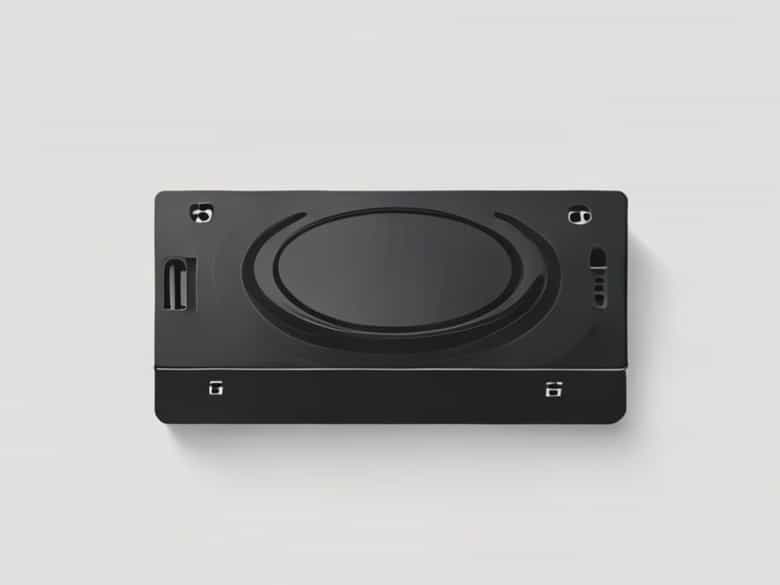
An external hard drive is a common piece of technology that many people use every day, even if they do not fully understand how it works or why it is useful. As digital files continue to grow in size and importance, from photos and videos to work documents and software, the need for extra storage has become essential. External hard drives offer a simple and practical solution for storing, backing up, and transporting data outside of a computer’s internal storage.
Basic Definition of an External Hard Drive
An external hard drive is a data storage device that is separate from a computer’s internal hard drive. It connects to a computer or other device using a cable, most commonly through USB. Unlike internal storage, which is built into a laptop or desktop, an external hard drive can be plugged in and removed whenever needed.
The main purpose of an external hard drive is to store digital data. This data can include documents, photos, music, videos, software, and system backups. Because it is portable, the same external hard drive can be used with multiple devices, making it a flexible storage option.
How an External Hard Drive Works
External hard drives work in a similar way to internal hard drives. Inside the casing, there is a storage mechanism that records and retrieves data. Traditional external hard drives use spinning disks and magnetic storage, while newer models may use solid-state technology.
When connected to a computer, the external hard drive appears as an additional storage location. Users can copy files to it, open files directly from it, or use it to create backups. The operating system treats it as an extension of the computer’s storage.
Connection Methods
Most external hard drives connect using standard ports. The most common connection types include USB-A, USB-C, and sometimes Thunderbolt. These connections allow data and power to travel through a single cable, making setup easy even for beginners.
Types of External Hard Drives
There are several types of external hard drives available, each designed for different needs. Understanding these types helps users choose the right option for their situation.
Hard Disk Drive (HDD)
An external HDD uses spinning disks to store data. These drives usually offer large storage capacities at a lower cost. They are well suited for storing large files such as videos, photo libraries, and backups.
However, HDDs are more sensitive to physical shock because of their moving parts. Care should be taken when transporting them.
Solid State Drive (SSD)
An external SSD uses flash memory instead of spinning disks. This makes it faster, quieter, and more durable than an HDD. SSDs are ideal for users who need quick access to data or frequently move their drive.
The main downside of SSDs is their higher price per gigabyte, although prices continue to decrease over time.
Common Uses of an External Hard Drive
External hard drives serve many purposes, both for personal and professional use. Their flexibility makes them useful in a wide range of situations.
Data Backup
One of the most important uses of an external hard drive is data backup. By copying important files to an external drive, users protect themselves against data loss caused by hardware failure, accidental deletion, or malware.
Many people use external hard drives to create regular backups of their computers, ensuring they can recover files if something goes wrong.
Extra Storage Space
Computers and laptops often have limited internal storage. An external hard drive provides extra space without needing to replace internal components. This is especially helpful for storing large media files.
File Transfer and Portability
External hard drives make it easy to move files between devices. They are commonly used to transfer large amounts of data that would be difficult to send over the internet.
- Sharing files between computers
- Transporting work projects
- Storing presentations and media
Advantages of Using an External Hard Drive
External hard drives offer several advantages that make them a popular choice for data storage.
They are easy to use, requiring minimal setup. Most external hard drives are plug-and-play, meaning they work as soon as they are connected. They are also relatively affordable, especially when compared to cloud storage subscriptions over long periods.
Another advantage is control. Users keep physical ownership of their data, which can be important for privacy and security.
Limitations and Considerations
Despite their benefits, external hard drives also have limitations. Because they are physical devices, they can be lost, damaged, or stolen. This risk makes it important to handle them carefully and consider encryption for sensitive data.
External hard drives also require manual connection. Unlike cloud storage, files are not accessible unless the drive is physically present.
Durability and Lifespan
All storage devices have a limited lifespan. HDDs may wear out due to mechanical parts, while SSDs have limits on write cycles. Regular backups and proper handling help extend their usefulness.
External Hard Drives vs Cloud Storage
Many people compare external hard drives with cloud storage services. Each option has its own strengths. External hard drives provide offline access and no ongoing fees, while cloud storage offers remote access and automatic syncing.
For many users, a combination of both solutions works best. An external hard drive can store local backups, while cloud storage adds an extra layer of protection.
Choosing the Right External Hard Drive
Selecting the right external hard drive depends on individual needs. Storage capacity, speed, portability, and budget are key factors to consider.
- Capacity needed for files and backups
- Speed requirements for file access
- Portability and durability
- Compatibility with devices
Understanding how the drive will be used helps narrow down the best option.
External Hard Drives in Everyday Life
External hard drives are used by students, professionals, photographers, and businesses. They support daily tasks such as saving assignments, editing videos, and archiving records.
As digital data continues to grow, the role of external hard drives remains important. They offer a reliable and straightforward way to manage information without relying solely on internet-based services.
An external hard drive is a versatile and practical storage solution that meets the needs of modern digital life. By providing extra space, reliable backups, and easy portability, it helps users protect and manage their data effectively. Whether used for personal memories or professional work, understanding what an external hard drive is and how it functions allows people to make better decisions about their digital storage needs.