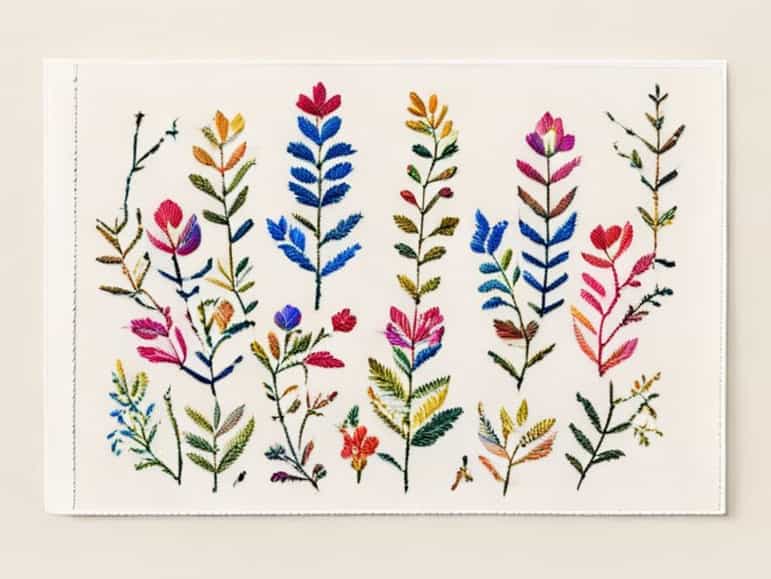
Embroidery has been part of human culture for centuries, appearing in clothing, home décor, and decorative art across many civilizations. As interest in handmade crafts grows again, many people are discovering different embroidery styles and wondering how they differ from one another. One common question that comes up is what is crewel embroidery vs embroidery in general. While crewel embroidery is a specific type of embroidery, the differences go beyond just thread choice and touch on history, materials, techniques, and overall appearance.
Understanding Embroidery as a Broad Craft
Embroidery is the art of decorating fabric using a needle and thread. It includes a wide range of techniques, styles, and cultural traditions. In its broadest sense, embroidery can be done with many types of thread, on various fabrics, and using countless stitch patterns. From simple hand stitching to elaborate surface designs, embroidery allows for endless creative expression.
General embroidery can be purely decorative or functional. It is commonly found on clothing, table linens, wall hangings, bags, and even shoes. Because embroidery is such a wide category, it includes many subtypes, one of which is crewel embroidery.
What Is Crewel Embroidery?
Crewel embroidery is a specific form of surface embroidery that traditionally uses wool thread, known as crewel wool. It is usually stitched onto a sturdy fabric such as linen or cotton twill. What sets crewel embroidery apart is not just the material but also its distinctive style and historical background.
Crewel embroidery is often associated with classic, flowing designs that feature plants, animals, and decorative motifs. The style became especially popular in England during the 17th and 18th centuries and remains recognizable today.
Key Differences Between Crewel Embroidery vs Embroidery
When comparing crewel embroidery vs embroidery, it helps to look at several key aspects. These include materials, techniques, design style, and purpose. While crewel embroidery is a form of embroidery, not all embroidery qualifies as crewel work.
Thread and Materials
The most noticeable difference lies in the thread used. Crewel embroidery traditionally uses wool yarn, which gives the finished work a slightly raised, textured look. General embroidery, on the other hand, can use cotton floss, silk, metallic threads, synthetic fibers, or even ribbon.
- Crewel embroidery typically uses wool thread
- General embroidery uses many thread types
- Crewel work often requires heavier fabric
The choice of material affects not only appearance but also how the stitches behave on the fabric.
Fabric Choices
Crewel embroidery is usually worked on firm, woven fabrics that can support the weight of wool thread. Linen and cotton twill are popular choices. In contrast, general embroidery can be done on almost any fabric, including lightweight cotton, silk, denim, and even sheer materials.
This flexibility makes general embroidery more accessible for beginners, while crewel embroidery often requires more planning and preparation.
Stitch Techniques Used
Both crewel embroidery and general embroidery use a wide range of stitches, but crewel work often favors certain techniques. Common crewel stitches include stem stitch, chain stitch, satin stitch, and French knots. These stitches help create smooth lines and filled shapes that suit traditional crewel designs.
General embroidery includes all of these stitches and many more. It can range from very simple running stitches to complex layered techniques. This variety allows general embroidery to adapt to modern, abstract, or minimalist styles.
Design Style and Visual Appearance
Crewel embroidery has a recognizable visual style. Designs often feature natural themes such as flowers, vines, birds, and animals. The patterns tend to be flowing and organic, with a sense of movement created by curved lines and layered stitches.
In contrast, general embroidery has no single visual identity. It can be traditional or modern, realistic or abstract. This makes embroidery as a whole more diverse, while crewel embroidery maintains a classic, historical look.
Historical Background
The history of crewel embroidery plays a significant role in defining it. The technique became popular in England during the Jacobean era and was often used to decorate household textiles such as bed hangings, curtains, and wall panels. These pieces were not only decorative but also symbols of skill and status.
Embroidery as a whole has a much broader history, spanning many cultures and time periods. Different regions developed their own styles, stitches, and purposes, from ceremonial garments to everyday clothing.
Purpose and Common Uses
Crewel embroidery is often associated with decorative home items. Pillow covers, framed art, and wall hangings are common applications. The wool thread and traditional designs give crewel pieces a warm, textured appearance that suits classic interiors.
General embroidery is used in a wider range of applications. It appears in fashion, accessories, gifts, and contemporary art. Because it can be subtle or bold, embroidery adapts easily to personal and commercial projects.
Skill Level and Learning Curve
Many beginners start with general embroidery because it allows for experimentation with inexpensive materials and simple stitches. The learning curve can be gentle, especially with basic patterns and lightweight fabrics.
Crewel embroidery may feel more challenging at first due to the thicker thread and heavier fabric. Controlling wool thread requires practice, and the designs often demand careful attention to detail. However, many crafters find crewel embroidery deeply rewarding once they become comfortable with the technique.
Modern Interpretations
While crewel embroidery is rooted in tradition, modern artists have begun to reinterpret it. Contemporary crewel designs may include bold colors, simplified motifs, or unexpected themes. This blend of old and new keeps the craft relevant.
General embroidery has also evolved, embracing modern tools, digital patterns, and mixed media approaches. The contrast between crewel embroidery vs embroidery highlights how tradition and innovation can coexist within the same craft.
Choosing Between Crewel Embroidery and General Embroidery
Deciding whether to explore crewel embroidery or general embroidery depends on personal interest and goals. Those drawn to history, texture, and classic design may enjoy crewel work. Those who prefer flexibility and experimentation may lean toward general embroidery.
Both forms offer creative satisfaction and a connection to handmade traditions. Trying both can help crafters discover which style resonates most.
Why the Distinction Matters
Understanding what is crewel embroidery vs embroidery helps set realistic expectations. It clarifies why certain materials are recommended and why some patterns look the way they do. This knowledge can prevent frustration and encourage better results.
It also deepens appreciation for the diversity within embroidery as an art form.
Crewel embroidery and embroidery share a common foundation but differ in materials, style, and tradition. Crewel embroidery stands out for its wool thread, historic roots, and flowing designs, while general embroidery encompasses a vast range of techniques and expressions. By understanding these differences, crafters and enthusiasts can better appreciate each style and choose the one that best fits their creative vision.