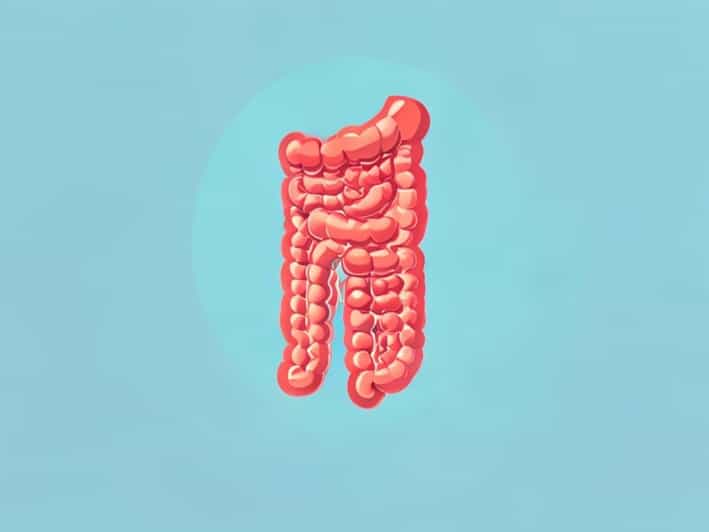
The human digestive system is a complex network of organs and tissues working together to break down food, absorb nutrients, and eliminate waste. One of the essential processes in this system is peristalsis. Without peristalsis, food would remain stagnant in the digestive tract, leading to discomfort, poor nutrient absorption, and potentially serious health issues. This involuntary muscular movement plays a critical role in moving food from the mouth to the stomach and through the intestines, ensuring that digestion proceeds smoothly and efficiently. Understanding how peristalsis works can provide insights into digestive health and the importance of maintaining a balanced diet and lifestyle for optimal digestive function.
Definition of Peristalsis
Peristalsis is a series of wave-like muscle contractions that occur in the digestive tract. These contractions help push food along the esophagus, stomach, and intestines. Unlike voluntary movements, peristalsis happens automatically, controlled by the nervous system and smooth muscles lining the digestive organs. This coordinated movement ensures that food, liquid, and digestive juices mix properly, facilitating nutrient absorption and efficient waste elimination.
How Peristalsis Works
The process of peristalsis begins in the esophagus when a person swallows food. The muscles in the walls of the esophagus contract behind the food bolus, while muscles in front relax, creating a wave-like motion that pushes the food downward toward the stomach. Once the food reaches the stomach, peristaltic waves continue to move and mix the food with digestive enzymes, breaking it down into a semi-liquid form called chyme.
In the small intestine, peristalsis becomes even more important. The waves of muscular contractions not only push chyme along but also help mix it with bile and pancreatic enzymes. This mixing action increases the efficiency of nutrient absorption through the intestinal walls. In the large intestine, peristalsis slows down, allowing water and electrolytes to be absorbed, forming solid waste that will eventually be eliminated from the body.
The Role of Peristalsis in Digestion
Peristalsis serves several vital functions in the digestive system
- Movement of foodIt ensures food travels from the mouth to the anus without manual intervention.
- Mixing with digestive juicesThe wave-like contractions help mix food with saliva, stomach acid, bile, and enzymes, promoting chemical digestion.
- Nutrient absorptionBy moving food steadily through the intestines, peristalsis allows nutrients to be absorbed efficiently.
- Waste eliminationPeristalsis in the large intestine helps form and move feces toward the rectum for excretion.
Peristalsis in Different Parts of the Digestive Tract
While peristalsis occurs throughout the digestive system, its characteristics vary in different regions
- EsophagusStrong, rapid waves push food quickly into the stomach.
- StomachSlower, rhythmic contractions mix food with gastric juices and break it down.
- Small intestineGentle, alternating waves move chyme while mixing it with enzymes for absorption.
- Large intestineSlow contractions compact waste and move it toward the rectum.
Factors Affecting Peristalsis
Several factors can influence the efficiency of peristalsis, including diet, hydration, physical activity, and overall health. A diet high in fiber supports regular peristaltic movements by adding bulk to the stool, making it easier to move through the intestines. Staying hydrated keeps the digestive contents soft and facilitates smooth movement. Regular exercise also stimulates intestinal muscles, promoting healthy peristalsis.
On the other hand, certain medical conditions or lifestyle habits can disrupt peristalsis. For example, disorders like irritable bowel syndrome (IBS), gastroesophageal reflux disease (GERD), or nerve damage can slow down or impair peristaltic movements. Medications, stress, and dehydration can also interfere with normal peristalsis, leading to constipation, bloating, or discomfort.
Signs of Abnormal Peristalsis
When peristalsis is impaired, the digestive system cannot function properly. Common signs of abnormal peristalsis include
- Frequent constipation or diarrhea
- Bloating and abdominal discomfort
- Difficulty swallowing or feeling food stuck in the throat
- Nausea or vomiting due to delayed stomach emptying
Recognizing these symptoms early can help prevent more severe digestive issues and encourage timely medical intervention.
Maintaining Healthy Peristalsis
Supporting proper peristaltic movement is essential for overall digestive health. Some tips to maintain healthy peristalsis include
- Eat a fiber-rich dietFruits, vegetables, whole grains, and legumes promote smooth intestinal movement.
- Stay hydratedDrinking enough water helps prevent constipation and facilitates food movement.
- Exercise regularlyPhysical activity stimulates the muscles of the digestive tract.
- Manage stressStress can interfere with the nervous system and affect peristaltic contractions.
- Avoid prolonged use of medications that slow digestionCertain painkillers and antacids can affect peristalsis if used excessively.
Peristalsis is a vital, automatic process that keeps the digestive system functioning smoothly. From moving food down the esophagus to mixing chyme in the intestines and finally eliminating waste, peristalsis ensures that our bodies absorb nutrients effectively while maintaining gastrointestinal health. Understanding the role of peristalsis highlights the importance of a balanced diet, adequate hydration, and an active lifestyle. By supporting peristaltic movements, we can promote better digestion, prevent common digestive problems, and improve overall well-being.