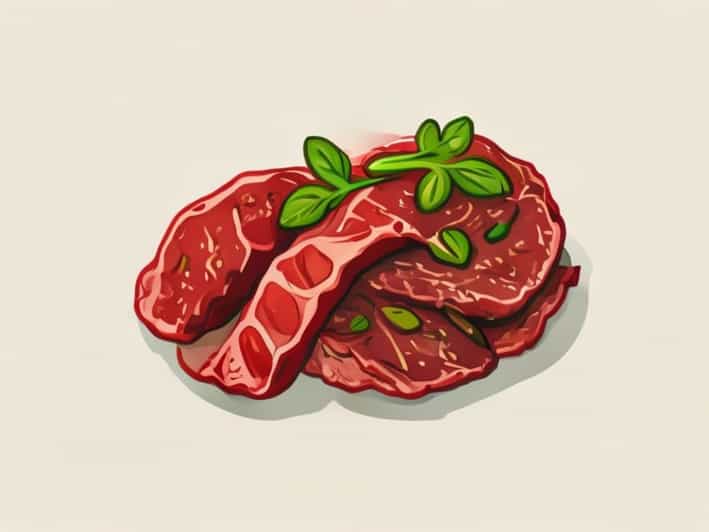
Fajitas are one of those meals that bring people together, whether served at a family dinner or sizzling on a hot skillet at a restaurant. The aroma of seasoned meat, peppers, and onions is hard to resist. One of the most common questions home cooks ask is what is the best meat for fajitas. The answer depends on flavor, texture, cooking method, and personal preference. Understanding the qualities of different meats can help anyone create fajitas that are tender, juicy, and full of taste.
What Makes a Good Fajita Meat
Before choosing a specific cut, it helps to know what makes meat suitable for fajitas. Fajitas are typically cooked quickly over high heat, either on a grill or in a skillet. This means the meat should be able to cook fast while staying tender.
Good fajita meat has a balance of flavor and texture. It should absorb marinades well, slice easily into thin strips, and remain juicy even after being cooked at high temperatures.
Classic Choice Beef for Fajitas
When people think about traditional fajitas, beef is often the first meat that comes to mind. The original fajitas were made using beef skirt steak, which remains one of the most popular options today.
Skirt Steak
Skirt steak is widely considered the best meat for fajitas by many chefs. It has a strong beefy flavor and a loose grain that absorbs marinades beautifully. When cooked quickly and sliced against the grain, it becomes tender and flavorful.
This cut benefits greatly from marinating, which helps break down muscle fibers and enhance taste.
Flank Steak
Flank steak is another excellent choice. It is leaner than skirt steak but still delivers rich flavor. Flank steak works well for fajitas when marinated and cooked properly.
Because it is slightly thicker, careful slicing is important to avoid toughness.
Other Beef Cuts
Some cooks use sirloin or flat iron steak for fajitas. These cuts are more tender naturally and may require less marinating. While they may not have the same intense flavor as skirt steak, they offer a softer texture.
- Skirt steak for bold flavor
- Flank steak for balance of lean and taste
- Sirloin for tenderness
Chicken as a Popular Alternative
Chicken is a favorite option for those who prefer a lighter or more affordable protein. It is widely available and adapts well to fajita seasoning.
Chicken Breast
Chicken breast is commonly used because it is lean and easy to slice. When marinated and cooked correctly, it can be juicy and flavorful. However, overcooking can make it dry, so timing is key.
Chicken Thighs
Chicken thighs are often considered a better option by experienced cooks. They contain more fat, which adds flavor and moisture. Thighs are more forgiving during cooking and remain tender even at higher temperatures.
Pork for Flavorful Fajitas
Pork is another excellent answer to the question of what is the best meat for fajitas. It offers a rich, slightly sweet flavor that pairs well with spices and vegetables.
Pork Shoulder or Pork Butt
These cuts are flavorful but require slicing thin and cooking carefully. They work best when marinated well and cooked hot and fast.
Pork Tenderloin
Pork tenderloin is lean and tender, making it easy to prepare. It cooks quickly and absorbs seasoning nicely, though it lacks the richness of fattier cuts.
Seafood and Alternative Proteins
While less traditional, seafood can also be used for fajitas. Shrimp and fish offer a lighter take on this classic dish.
Shrimp
Shrimp cook extremely fast and take on seasoning well. They are ideal for quick fajita meals and pair nicely with fresh toppings.
Fish
Firm fish like mahi-mahi or tilapia can be used, though they require gentle handling. Fish fajitas offer a fresh and delicate flavor profile.
Vegetarian Options for Fajitas
For those who do not eat meat, vegetables and plant-based proteins can still create satisfying fajitas. While not meat, these options deserve mention.
- Mushrooms for a meaty texture
- Tofu for protein and marinade absorption
- Tempeh for firmness and flavor
The Importance of Marinades
No matter what meat you choose, marinades play a crucial role. Acidic ingredients like lime juice or vinegar help tenderize tougher cuts. Oil carries flavor, while spices define the fajita taste.
Marinating time varies by meat. Beef and pork benefit from longer marination, while chicken and seafood require less time.
Cooking Techniques Matter
High heat is essential for good fajitas. Whether using a grill, cast iron skillet, or griddle, the goal is to sear the meat quickly to lock in juices.
Overcrowding the pan should be avoided, as it can cause steaming instead of searing.
Slicing the Meat Correctly
One of the most overlooked steps is slicing. Cutting meat against the grain shortens muscle fibers, making each bite more tender.
This step is especially important for beef cuts like skirt and flank steak.
Personal Preference and Cultural Influence
What is the best meat for fajitas ultimately depends on personal taste. Some people prefer the boldness of beef, while others enjoy the lighter feel of chicken or seafood.
Cultural traditions and regional styles also influence choices, adding variety to this beloved dish.
When deciding what is the best meat for fajitas, skirt steak stands out as the classic choice, offering rich flavor and ideal texture. However, chicken, pork, and even seafood provide excellent alternatives depending on dietary needs and taste preferences.
The key to great fajitas lies not just in the meat itself, but in proper marination, high-heat cooking, and careful slicing. With the right approach, almost any protein can become the star of a delicious fajita meal.