Many English words sound playful or unusual, yet they often have precise meanings rooted in nature, history, or everyday observation. One such word is polliwog. People may encounter it in children’s books, biology lessons, or casual conversation and wonder exactly what it refers to. Understanding what is the definition of a polliwog not only clarifies the word itself but also opens a small window into how language describes the natural world in a simple, memorable way.
The Basic Definition of a Polliwog
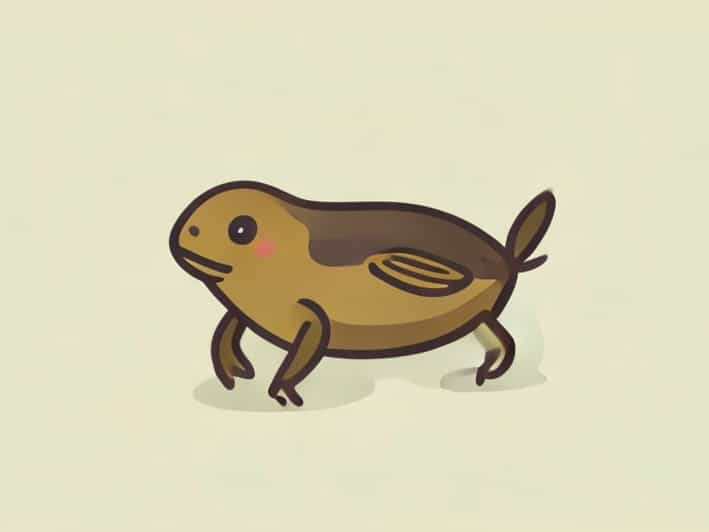
The definition of a polliwog is a young tadpole, especially one in the early stage of development before it begins to grow legs. In simple terms, a polliwog is the larval form of a frog or toad, living in water and breathing through gills.
The word polliwog is often used interchangeably with tadpole, although it tends to appear more in informal, regional, or traditional English usage. When someone refers to a polliwog, they are usually talking about a small, wriggling aquatic creature with a rounded head and a long tail.
Polliwog and Tadpole Are They the Same?
In most modern contexts, polliwog and tadpole mean the same thing. Both describe the early life stage of amphibians like frogs and toads. However, polliwog is considered a more informal or old-fashioned term, while tadpole is more commonly used in scientific and educational settings.
Some people also use polliwog to refer specifically to very young tadpoles, before any limbs begin to form. This distinction is not strict, but it appears in some traditional usage.
Key Similarities and Differences
- Both refer to young frogs or toads
- Both live in water and have tails
- Polliwog is more informal and regional
- Tadpole is more widely used in biology
The Life Cycle of a Polliwog
To fully understand the definition of a polliwog, it helps to look at its place in the frog life cycle. Frogs and toads undergo metamorphosis, meaning they change form as they grow.
The life cycle usually includes
- Eggs laid in water
- Polliwog or tadpole stage
- Growth of hind legs, then front legs
- Loss of tail and transition to adult frog
The polliwog stage is essential because it is when the animal feeds, grows, and prepares for its dramatic transformation.
Physical Characteristics of a Polliwog
A polliwog has a simple body structure designed for aquatic life. It typically has a large head, a long flat tail, and no visible limbs in its earliest stage. Its body is adapted for swimming rather than hopping or walking.
Polliwogs breathe through gills, similar to fish, and usually feed on algae or plant matter. As they mature, their bodies slowly change to prepare for life on land.
Common Features
- Soft, rounded body
- Long tail for swimming
- No legs in early stages
- Gills instead of lungs
Origins and History of the Word Polliwog
The word polliwog comes from Middle English, derived from words meaning head and wiggle. It likely referred to the wiggling motion of the creature’s head and tail as it swims through water.
Over time, polliwog became a popular term in rural and folk language, especially among children and communities close to ponds, streams, and wetlands. Its playful sound made it easy to remember and pass down through generations.
Regional and Informal Use of Polliwog
Polliwog is more commonly used in American English, particularly in informal speech. In some regions, it is a familiar childhood word associated with exploring creeks, catching tadpoles, and observing nature.
In British English and formal scientific writing, tadpole is preferred. However, polliwog still appears in stories, poems, and conversational descriptions, especially when a friendly or nostalgic tone is desired.
Polliwog in Literature and Popular Culture
The word polliwog often appears in children’s books and educational stories because it sounds gentle and amusing. Writers may choose it over tadpole to create a warmer, more imaginative feeling.
In some stories, polliwogs symbolize growth, change, or the early stages of development. Because they transform into frogs, they are often used as metaphors for learning, patience, and transformation.
Scientific Perspective on Polliwogs
From a scientific standpoint, polliwog is not a technical term. Biologists and zoologists typically use larva or tadpole when discussing amphibian development. Despite this, the concept remains the same.
Scientists study polliwogs to understand metamorphosis, environmental health, and ecosystem balance. Because amphibians are sensitive to pollution and climate changes, observing polliwog populations can provide important ecological clues.
Educational Importance of Polliwogs
Polliwogs are often used in classrooms to teach children about life cycles and biological change. Watching a polliwog grow into a frog is a clear and engaging example of transformation in nature.
This hands-on learning experience helps students understand concepts such as adaptation, growth, and environmental responsibility.
Common Misunderstandings About Polliwogs
A common misunderstanding is that polliwogs are a separate species. In reality, they are simply a developmental stage of frogs or toads. Another misconception is that all polliwogs turn into frogs, when in fact some become toads or other amphibians.
Some people also think polliwogs are fish because they swim and have tails, but they are amphibians and follow a very different life cycle.
The Definition of a Polliwog in Simple Terms
To summarize, the definition of a polliwog is a young frog or toad in its aquatic, larval stage, before it develops legs and lungs. It is a natural and temporary form, representing the beginning of an amphibian’s life.
The word itself reflects observation, tradition, and a close relationship with nature.
Understanding what is the definition of a polliwog reveals more than just a biological term. A polliwog is a symbol of early life, growth, and transformation, as well as a reminder of how language captures the natural world in simple, memorable ways. While tadpole may be the more scientific term, polliwog continues to live on in everyday language, storytelling, and childhood memories. Its meaning remains clear, charming, and closely connected to the rhythms of nature.