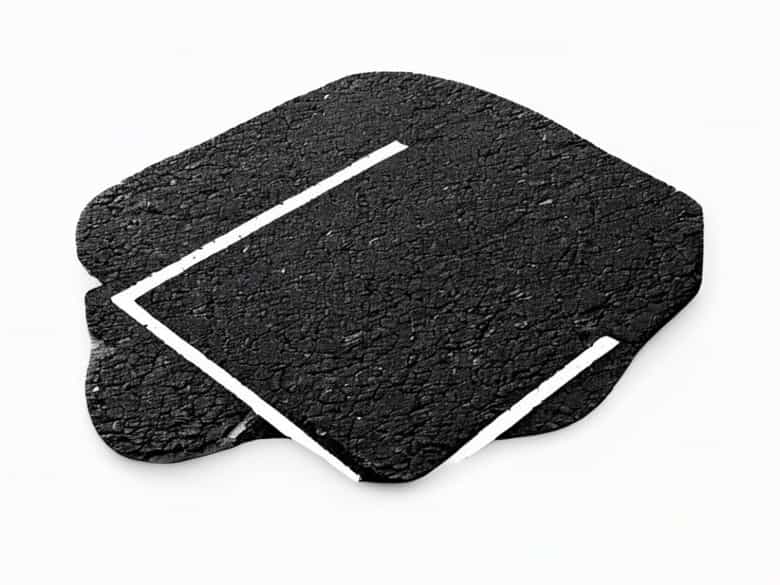
Asphalt is a material commonly used in construction, particularly for paving roads, driveways, and parking lots. Understanding the meaning of asphalt is important because it plays a crucial role in infrastructure development and maintenance. Asphalt is valued for its durability, flexibility, and ability to withstand varying weather conditions, making it a primary choice for road surfaces worldwide. Exploring the definition, composition, types, applications, and benefits of asphalt helps readers gain insight into how this material contributes to transportation systems and urban development.
The Definition of Asphalt
Asphalt is a sticky, black, and highly viscous material primarily derived from petroleum. It is composed of bitumen, a substance that binds aggregates such as sand, gravel, or crushed stone to create a solid and durable surface. Asphalt can also occur naturally in certain deposits, although most modern asphalt used in construction is refined from petroleum. Its primary function is to serve as a binding and waterproofing agent, making it ideal for paving roads, sealing roofs, and providing protective layers for various surfaces.
Key Characteristics of Asphalt
The meaning and use of asphalt can be better understood by considering its key characteristics
- DurabilityResistant to wear and tear caused by vehicles, weather, and environmental conditions.
- FlexibilityCan expand and contract with temperature changes without cracking easily.
- WaterproofPrevents water penetration, reducing damage to underlying structures.
- Adhesive PropertiesBinds aggregates effectively to form a stable surface.
- Thermal ConductivityRetains heat, which helps in certain applications like winter road maintenance.
Composition of Asphalt
Asphalt is made up of two main components bitumen and aggregates. Bitumen acts as a binder, while aggregates provide structural strength and durability. The precise mixture can vary depending on the intended use, environmental conditions, and desired performance. Additives may also be included to improve properties such as flexibility, resistance to deformation, or longevity.
Main Components
- BitumenA thick, black, and sticky substance derived from crude oil, providing adhesion and waterproofing.
- AggregatesSand, gravel, or crushed stone that give strength and stability to the asphalt mixture.
- AdditivesChemicals or fibers that enhance specific properties, such as reducing cracking or improving temperature tolerance.
Types of Asphalt
There are several types of asphalt used in construction, each designed for different purposes and performance requirements. Understanding the types helps in selecting the right asphalt for a specific project.
Hot Mix Asphalt (HMA)
Hot mix asphalt is produced at high temperatures and is commonly used for road construction. It provides a durable and smooth surface, making it suitable for highways, streets, and heavily trafficked areas. The high temperature ensures proper mixing of bitumen and aggregates, resulting in strong adhesion and longevity.
Cold Mix Asphalt
Cold mix asphalt is produced at ambient temperatures and is typically used for temporary repairs or areas with low traffic. It is easier to apply than hot mix asphalt and does not require heating equipment. Cold mix is ideal for patching potholes or small-scale projects.
Modified Asphalt
Modified asphalt includes additives such as polymers to enhance performance. This type of asphalt is more resistant to deformation, cracking, and weather extremes. It is often used in regions with heavy traffic or extreme climates.
Applications of Asphalt
Asphalt has a wide range of applications in construction, maintenance, and urban infrastructure. Its versatility and durability make it suitable for various projects.
Road Construction
Asphalt is the most common material for road surfaces worldwide. It provides a smooth, durable, and weather-resistant surface that can support heavy traffic. Asphalt roads are also easier to repair and maintain compared to concrete roads.
Parking Lots and Driveways
Asphalt is frequently used in parking areas and residential driveways due to its durability and ease of installation. It provides a uniform surface that can withstand vehicle weight and environmental stress.
Airport Runways and Taxiways
High-performance asphalt is used for airport surfaces to handle heavy aircraft loads and high-speed operations. Its flexibility and resistance to cracking ensure long-lasting performance under extreme conditions.
Roofing and Waterproofing
Asphalt is used in roofing materials and waterproofing membranes. Its adhesive and waterproof properties help protect buildings from water damage, providing long-term durability and insulation.
Advantages of Asphalt
Asphalt offers several advantages over other construction materials, contributing to its widespread use in infrastructure projects.
Key Benefits
- Durable and long-lasting, capable of withstanding heavy traffic and environmental stress.
- Flexible, reducing the likelihood of cracking under temperature fluctuations.
- Quick and cost-effective to install, repair, and maintain.
- Provides a smooth surface that enhances driving comfort and safety.
- Environmentally friendly options are available, such as recycled asphalt pavement.
Environmental Considerations
Modern asphalt production and use consider environmental impacts. Recycled asphalt pavement (RAP) incorporates old asphalt into new mixes, reducing waste and conserving resources. Additionally, innovations in warm mix asphalt reduce energy consumption and emissions during production. Proper maintenance and recycling practices ensure that asphalt remains a sustainable material for long-term infrastructure development.
Asphalt is a vital material in modern construction, known for its durability, flexibility, and versatility. It is composed of bitumen, aggregates, and sometimes additives, forming a material suitable for roads, parking lots, airports, and roofing applications. Different types of asphalt, such as hot mix, cold mix, and modified asphalt, cater to specific project needs. Its advantages, including ease of installation, cost-effectiveness, and environmental considerations, make asphalt an essential component of urban development and transportation systems. Understanding the meaning and applications of asphalt highlights its importance in building durable infrastructure and maintaining safe, efficient, and sustainable surfaces for everyday use.