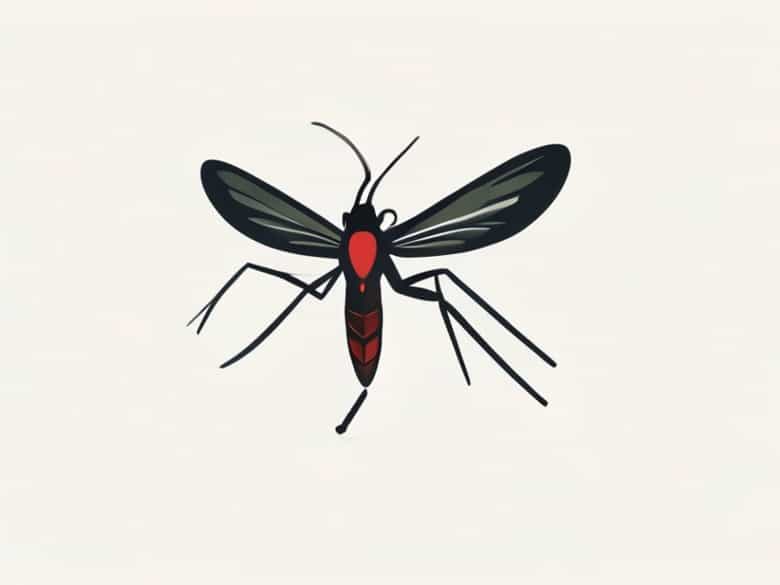
Elephantiasis is a condition that has captured people’s curiosity for centuries because of its dramatic effect on the human body. Many wonder what kind of mosquito causes elephantiasis and how such a small creature can transmit something so serious. Although the topic is scientific, the basic idea is straightforward specific mosquitoes can carry parasitic worms that interfere with the body’s lymphatic system. By understanding which mosquitoes are responsible, how transmission happens, and why the disease affects certain regions, readers can gain clarity on a topic that often inspires confusion or fear. Exploring this subject with simple explanations helps make the science more accessible and highlights the importance of mosquito control in preventing disease.
The Mosquito Species Linked to Elephantiasis
Elephantiasis, also known as lymphatic filariasis, is caused by parasitic worms transmitted through the bites of certain mosquitoes. Not all mosquitoes are involved-only a few species can carry and spread the microscopic worms that lead to the condition. These mosquitoes act as vectors, meaning they transport the parasites from one host to another.
The primary mosquitoes responsible belong to three main generaCulex,Anopheles, andAedes. Each genus has unique habits, environments, and biting patterns, which influence where elephantiasis occurs around the world.
Culex Mosquitoes
Culexspecies are among the most common mosquitoes associated with elephantiasis. They thrive in urban and semi-urban areas, especially where sanitation challenges exist. These mosquitoes often breed in stagnant water found in drains, ditches, or polluted habitats. Because they are nighttime biters, people are more likely to be exposed while sleeping.
- HabitatDirty water, drains, canals.
- Geographic presenceAsia, South America, Africa, and some Pacific regions.
- BehaviorPrimarily active at night and indoors.
Their ability to breed in man-made environments makes them prominent carriers of parasitic worms in densely populated regions.
Anopheles Mosquitoes
Anophelesmosquitoes are well known as the carriers of malaria, but certain species also spread lymphatic filariasis. UnlikeCulex, they prefer cleaner water sources, such as lakes, ponds, and rice fields. They are common in rural and agricultural areas.
- HabitatFresh, clean water bodies.
- Geographic presenceAfrica, Southeast Asia, parts of South America.
- BehaviorTend to bite at night and dawn.
This group contributes significantly to elephantiasis transmission in regions where agriculture is prevalent and freshwater sources are abundant.
Aedes Mosquitoes
AlthoughAedesmosquitoes are more famous for spreading dengue, Zika, and chikungunya, certain species can also transmit filarial parasites. These mosquitoes are daytime biters and often breed in small collections of clean water, such as containers, pots, or puddles near homes.
- HabitatClean water in containers or natural pools.
- Geographic presenceAsia, Pacific regions, parts of the Caribbean.
- BehaviorActive during daylight hours.
Because they bite during the day,Aedesspecies increase exposure risk even when people are active and outdoors.
How Mosquitoes Cause Elephantiasis
The mosquitoes themselves do not directly cause elephantiasis. Instead, they transmit parasitic worms known as filarial worms. The most common species responsible areWuchereria bancrofti, followed byBrugia malayiandBrugia timori. These worms enter the human bloodstream through mosquito bites.
When an infected mosquito bites a person, it releases tiny larvae called microfilariae into the skin. These larvae travel through the bloodstream and eventually settle in the lymphatic system-an essential network of vessels and nodes that helps regulate fluid balance and immunity.
Over time, the worms mature and block the lymphatic vessels. This blockage causes fluid buildup, swelling, and thickening of the skin, leading to the condition known as elephantiasis. The disease progresses slowly, and symptoms may not appear for years after infection.
Why Only Certain Mosquitoes Spread the Disease
Not all mosquitoes can carry filarial worms. Transmission depends on several factors that make specific genera more suitable carriers.
- Feeding behaviorSome mosquitoes prefer biting humans, making transmission more likely.
- Environmental conditionsWarm, humid climates support both mosquitoes and filarial parasites.
- Larval developmentThe parasites must complete part of their life cycle inside the mosquito.
- Overlapping habitatsAreas with both mosquitoes and infected humans create a cycle of transmission.
Mosquito species that meet these conditions become efficient vectors, maintaining and spreading the disease within communities.
Where Elephantiasis Is Most Common
Because elephantiasis relies on specific mosquito carriers, it occurs mainly in tropical and subtropical areas where those mosquitoes thrive. Countries in Africa, South and Southeast Asia, the Pacific Islands, and parts of South America report the highest number of cases.
Regions with warm climates, high humidity, and limited access to insect control measures experience the highest risk. Urban areas with poor drainage, rural villages near freshwater, and densely populated communities provide ideal environments for the mosquitoes responsible.
Environmental Factors That Support Transmission
Several factors influence where the responsible mosquitoes can survive and transmit filarial worms
- Climate conditions such as heat and humidity
- Stagnant or standing water for mosquito breeding
- High human population density
- Limited access to mosquito control programs
- Close proximity between humans and mosquito habitats
These conditions make prevention and control efforts particularly challenging in many affected regions.
Why Understanding Mosquito Vectors Matters
Knowing what kind of mosquito causes elephantiasis helps in designing effective prevention strategies. Since different mosquito species have different behaviors and environments, control methods must be adapted accordingly.
For example, nighttime biters likeCulexmay be addressed by improving home defenses, while daytime biters likeAedesrequire eliminating small water containers around living areas. Identifying the right mosquito group is key to reducing the spread of filarial parasites.
Key Prevention Strategies
Although the topic focuses on mosquito species, it is worth noting general prevention concepts
- Reducing mosquito breeding sites
- Using bed nets or protective barriers
- Improving sanitation and drainage
- Promoting community-level mosquito control programs
These measures help limit exposure and lower the risk of transmission in areas where the disease is common.
Elephantiasis is a complex disease, but understanding what kind of mosquito causes it makes the topic less intimidating. Three major mosquito genera-Culex,Anopheles, andAedes-play a role in spreading the parasitic worms responsible for the condition. Each group has different behaviors, habitats, and geographic ranges, which explains why the disease is concentrated in certain parts of the world.
By learning how these mosquitoes transmit lymphatic filariasis, people can better appreciate the importance of mosquito control and environmental awareness. The connection between tiny insects and a major health condition highlights the intricate balance between humans, parasites, and the natural world.