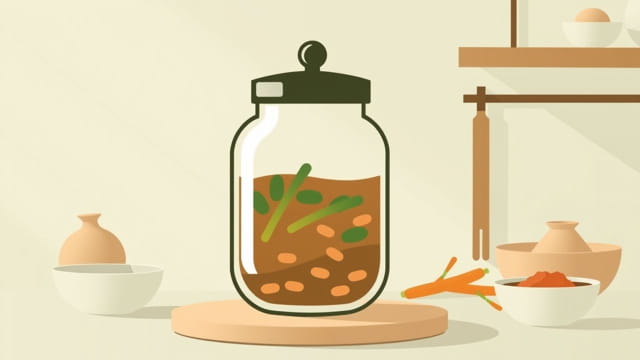
Fermenting kimchi at home can be a rewarding experience, not only for the bold, tangy flavor it creates but also for the health benefits that come with fermented foods. However, one of the most commonly asked questions is where to ferment kimchi properly to ensure safety, flavor development, and optimal texture. The location and conditions in which you ferment your kimchi can significantly influence the final result. Understanding the right environment, containers, and storage methods is essential for making delicious homemade kimchi that maintains quality throughout the fermentation process.
Ideal Temperature for Fermenting Kimchi
The temperature at which you ferment your kimchi is critical. Traditional fermentation relies on a stable, cool environment to allow the lactic acid bacteria to develop without promoting the growth of unwanted microbes.
Best Temperature Range
- 60°F to 68°F (15°C to 20°C) is the ideal room temperature for initial fermentation.
- Higher temperatures will speed up fermentation, potentially causing overly sour or mushy kimchi.
- Lower temperatures slow down the fermentation process but can enhance the flavor over time.
If your home environment is too warm, consider reducing the time your kimchi stays at room temperature before transferring it to the refrigerator. Fermenting at the right temperature ensures the development of complex flavors while preserving texture.
Room Fermentation vs. Refrigerator Fermentation
Fermentation can happen either at room temperature or in the refrigerator, depending on your preference and the outcome you want. Each method has its own advantages and timelines.
Room Temperature Fermentation
Leaving kimchi to ferment at room temperature, usually on the kitchen counter or inside a pantry, accelerates the process. This is especially useful if you want to enjoy your kimchi within a few days.
- Keep the container loosely sealed or use a fermentation jar with an airlock.
- Allow the kimchi to ferment for 1 to 2 days depending on room warmth.
- Once it starts bubbling and developing a tangy aroma, transfer to the fridge.
Refrigerator Fermentation
Storing kimchi in the refrigerator allows for slow fermentation, which leads to deeper flavor and better preservation. It is the preferred method for long-term storage and for those who enjoy milder, more balanced kimchi.
- Place the container in the back of the fridge where the temperature is most stable.
- Initial fermentation can begin at room temperature, then continue in the refrigerator for 1 to 2 weeks or more.
- Check the flavor periodically until it reaches the desired taste and sourness.
Choosing the Right Location in Your Home
Where to place the kimchi during the fermentation process largely depends on your available space and the time of year. Here are some safe and practical locations for fermenting kimchi at home.
Kitchen Countertop
This is the most convenient spot, especially during cooler months. Make sure the area is away from direct sunlight and sources of heat like ovens or stoves.
Pantry or Cabinet
A dark pantry or cupboard with consistent temperatures can serve as a suitable fermentation spot. Ensure that the area is clean and does not have strong odors that could affect the kimchi.
Basement or Cellar
If you have a cool, dry basement, it can be ideal for fermenting kimchi. The naturally stable environment mimics traditional underground fermentation used in Korea.
Refrigerator
Once the initial fermentation is done, storing the kimchi in the refrigerator slows the process and enhances the flavor gradually. The fridge is also the safest long-term storage spot.
Best Containers for Kimchi Fermentation
Where you ferment kimchi is not only about location but also about the container you use. The right fermentation vessel helps regulate gas release, prevents contamination, and ensures quality results.
Fermentation Crocks or Earthenware Jars
These traditional containers are ideal for fermentation. They allow gases to escape while keeping air out, preventing spoilage. They are perfect for bulk batches and extended fermentation periods.
Glass Jars with Loose Lids
Glass jars are widely used because they are non-reactive and easy to clean. Be sure to leave some space at the top for gases and keep the lid loosely fitted to avoid pressure buildup.
Plastic Containers (BPA-Free)
If using plastic, make sure it’s food-grade and BPA-free. Avoid containers that may absorb odors or degrade over time. Always wash thoroughly before use.
Vacuum-Sealed or Airlock Jars
For advanced fermenters, containers with airlock systems can provide optimal anaerobic conditions. These minimize the risk of mold and maintain a clean fermentation process.
Avoiding Common Fermentation Issues
Proper location and storage of kimchi during fermentation help avoid many common problems. Still, there are a few things to watch out for.
Mold Growth
Mold usually forms due to exposure to air. To prevent this:
- Ensure the kimchi is fully submerged in its liquid (brine).
- Use weights or press down the vegetables regularly.
- Store in a cool, dark place during fermentation.
Excessive Gas or Overflow
Kimchi fermentation creates carbon dioxide, which can cause jars to leak or overflow. Prevent this by:
- Leaving headspace in the container.
- Loosening the lid slightly to allow gas to escape.
- Placing the container on a plate to catch any spills.
Over-Fermentation
If left at room temperature too long, kimchi may become overly sour or mushy. Monitor the fermentation daily and transfer to cold storage once the desired flavor is reached.
Seasonal Considerations for Kimchi Fermentation
The season plays a big role in where and how to ferment your kimchi. Here’s how to adapt your process depending on the weather.
Summer Fermentation
During warmer months, fermentation occurs quickly. Reduce room temperature fermentation time to 1 day or less and refrigerate promptly. Store in a cooler area or near a fan if your home is hot.
Winter Fermentation
In winter, you can ferment kimchi at room temperature for 2 to 3 days without issue. Alternatively, place it in a slightly warmer part of the house such as near a radiator, but not too close to direct heat.
Knowing where to ferment kimchi is just as important as selecting the right ingredients. A stable, cool environment helps develop the bold flavors and crunchy texture that good kimchi is known for. Whether you’re fermenting on the kitchen counter, in a pantry, or storing it in the fridge, attention to temperature, cleanliness, and container choice will guide you to successful results. With some patience and observation, you can master the fermentation process and enjoy delicious, homemade kimchi any time of the year.