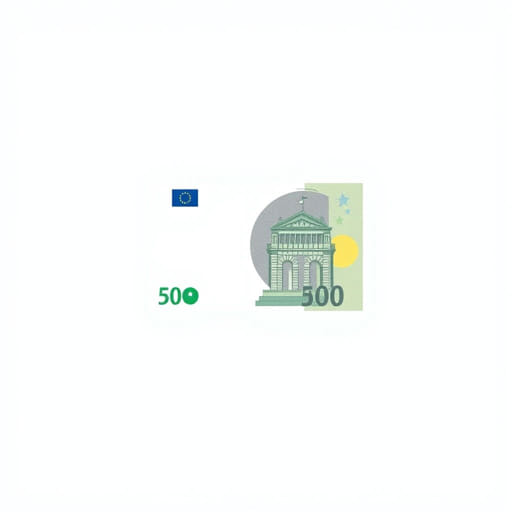
Zero Euro banknotes are a fascinating and growing part of the world of numismatics, capturing the interest of collectors and tourists alike. Although these notes have no monetary value, their artistic designs and symbolic significance make them highly desirable. Originally created as souvenir items, Zero Euro banknotes resemble real currency in size, design, and material, but they are marked with a value of zero. These unique notes celebrate historic landmarks, cultural icons, and famous figures across Europe and beyond, becoming a form of collectible art. As the number of designs increases every year, many collectors look for a comprehensive Zero Euro banknote list to track their collection and find rare editions.
What Are Zero Euro Banknotes?
Origin and Concept
The idea for the Zero Euro note was developed in 2015 by French entrepreneur Richard Faille, who had previously worked on similar tourism-related souvenir tokens. The notes were created to promote tourism, support cultural institutions, and provide a creative keepsake for travelers. Despite carrying no actual face value, these notes are produced on genuine banknote paper by Oberthur Fiduciaire, a company that also prints real currency for several European countries.
Authentic Appearance
Each Zero Euro banknote includes familiar security features like watermarks, holograms, serial numbers, and microprinting, making them look almost identical to legal tender. However, they are clearly marked with a ‘0’ denomination and typically carry the Euro symbol. This authentic design helps preserve the novelty and appeal of the notes among collectors and tourists alike.
Types of Zero Euro Banknotes
Standard Editions
Most Zero Euro notes fall under standard editions that are issued by tourist attractions, cities, museums, or cultural institutions. These notes usually highlight:
- Castles and historic buildings
- Museums and art galleries
- National parks and landmarks
- Famous personalities such as composers, scientists, or political leaders
Limited Editions
Limited edition notes are printed in smaller quantities and often feature special seals, stamps, or serial number sequences. These are especially sought after by collectors due to their rarity. They may commemorate an anniversary, event, or historical moment.
Private Editions
Some notes are privately issued by individual designers or collectors through authorized printing contracts. While still legitimate, they are often released in lower numbers and may carry unique themes or artistic styles not usually seen in standard tourist issues.
Popular Countries with Zero Euro Banknotes
France
As the birthplace of the concept, France has one of the largest selections of Zero Euro notes. Tourists can find them in places like the Eiffel Tower, Mont-Saint-Michel, the Palace of Versailles, and the Louvre Museum. French editions are among the most widely collected and often have multiple versions issued for the same site.
Germany
Germany has also embraced the Zero Euro trend, with notes available for famous sites such as Neuschwanstein Castle, the Brandenburg Gate, and Cologne Cathedral. Many cities and states within Germany have released their own editions, making it a favorite country for collectors.
Italy
Italy offers notes featuring landmarks like the Colosseum, the Leaning Tower of Pisa, and Venice’s canals. Italian editions are known for their detailed and artistic illustrations that reflect the country’s deep cultural heritage.
Spain
Spain has issued notes celebrating locations such as Sagrada Família, Alhambra, and Park Güell. Spanish Zero Euro notes often showcase architectural landmarks and royal history.
Other Countries
Beyond these major contributors, many other European countries also issue Zero Euro banknotes, including:
- Austria
- Portugal
- Belgium
- Netherlands
- Switzerland (despite not using the Euro)
- Poland
Examples of Zero Euro Banknotes
Famous Landmarks
- Eiffel Tower – France
- Colosseum – Italy
- Neuschwanstein Castle – Germany
- Sagrada Família – Spain
- Acropolis of Athens – Greece
Cultural Icons
- Ludwig van Beethoven – Germany
- Wolfgang Amadeus Mozart – Austria
- Frida Kahlo – International Private Edition
- Albert Einstein – Multiple Editions
Event-Specific Issues
- 100 Years of Bauhaus – Germany
- 75th Anniversary of D-Day – France
- Euro 2020 – Sports-themed editions
How to Find and Collect Zero Euro Notes
Tourist Locations
Most notes are available for purchase directly at tourist attractions, souvenir shops, or cultural centers. They are usually sold for €2-€5 per note. Some vending machines located near tourist sites also dispense Zero Euro notes.
Online Collecting
Collectors can find a wide range of Zero Euro banknotes on auction sites, collector forums, and online stores. These platforms often include special editions, rare print runs, and international releases that may be difficult to find in person.
Collecting Tips
- Always check the serial number – lower numbers or patterns (e.g., 000001 or 123456) are more valuable.
- Store notes in protective sleeves to avoid damage or fading.
- Track your collection using a Zero Euro banknote list or catalog to stay organized and avoid duplicates.
- Join online communities to trade or buy notes from other collectors.
Why People Collect Zero Euro Notes
Affordable Hobby
Compared to traditional numismatics, collecting Zero Euro notes is relatively affordable. Even rare pieces are often priced within reach of beginner collectors, making it an attractive hobby for people of all ages.
Cultural Appreciation
These notes offer a tangible way to appreciate European history, culture, and architecture. They often feature artistic renderings of famous buildings or figures, making them visually appealing as well as educational.
Investment Potential
While not a primary reason for collecting, some Zero Euro notes increase in value over time especially limited editions or those with printing errors. Early issues from 2015 or notes with unusual features can fetch higher prices on the resale market.
Maintaining a Zero Euro Banknote List
Why It’s Important
A dedicated Zero Euro banknote list allows collectors to monitor which editions they own, identify missing notes, and verify details like serial numbers, year of issue, and country of origin. This record becomes especially useful for those participating in swaps, trades, or sales.
What to Include in the List
- Note title or design name
- Country and location
- Year of issue
- Serial number
- Edition type (standard, limited, private)
- Condition (uncirculated, folded, etc.)
The world of Zero Euro banknotes is vibrant, artistic, and continually expanding. As more countries and organizations join the trend, collectors have even more opportunities to explore European heritage and history through these symbolic notes. By maintaining an updated Zero Euro banknote list, enthusiasts can keep track of their growing collections while discovering new pieces to admire and share. Whether you’re a seasoned numismatist or a casual tourist, Zero Euro notes offer a unique and meaningful way to remember the places you visit and the stories behind them.