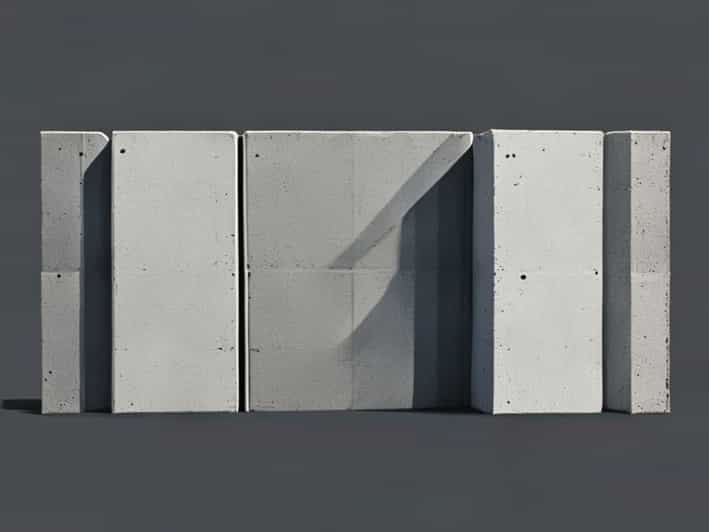
Modern infrastructure and public spaces face growing concerns related to vehicle intrusion, accidental impacts, and deliberate security threats. Roads, government buildings, industrial facilities, and pedestrian areas must all balance accessibility with safety. This is where the concept of the zone of intrusion and concrete barrier countermeasures becomes critically important. These ideas help engineers, planners, and security professionals design spaces that reduce risk, protect people, and limit damage when vehicles leave their intended path or attempt to breach protected areas.
Understanding the Zone of Intrusion
The zone of intrusion refers to the area a vehicle may occupy after leaving its normal travel path due to loss of control, collision, or intentional deviation. This zone includes not only the physical footprint of the vehicle but also the space required for its movement, rotation, or sliding during an impact event.
In roadway and security design, defining the zone of intrusion helps determine where hazards may occur and which areas require protection. It is a predictive concept that considers speed, vehicle type, road geometry, and surface conditions.
Why the Zone of Intrusion Matters
Understanding the zone of intrusion is essential for protecting pedestrians, buildings, equipment, and critical infrastructure. If designers underestimate this zone, barriers or protected assets may be placed too close to traffic, increasing the likelihood of damage or injury.
By clearly defining the zone of intrusion, planners can create safer layouts that anticipate real-world vehicle behavior rather than relying on ideal driving conditions.
Factors That Influence the Zone of Intrusion
The size and shape of the zone of intrusion vary depending on several key factors. These elements must be evaluated together to accurately assess risk.
- Vehicle speed and mass
- Road alignment and curvature
- Slope and surface conditions
- Driver behavior and reaction time
- Type of vehicle, such as passenger cars or heavy trucks
Higher speeds and heavier vehicles generally result in larger intrusion zones. Similarly, wet or icy surfaces can increase sliding distances, expanding the area of potential impact.
Role of Concrete Barriers in Risk Mitigation
Concrete barriers are one of the most widely used countermeasures for controlling the zone of intrusion. Their primary purpose is to prevent vehicles from entering protected areas or crossing into opposing traffic lanes.
Concrete is favored because of its durability, strength, and predictable performance during impact. Unlike flexible barriers, concrete systems rely on mass and rigidity to redirect or stop vehicles.
How Concrete Barriers Function
When a vehicle strikes a concrete barrier, the barrier absorbs and redirects energy rather than allowing the vehicle to continue into the protected zone. The shape and height of the barrier influence how the vehicle reacts, whether it is redirected back toward the roadway or brought to a controlled stop.
This controlled behavior helps reduce secondary collisions and limits intrusion beyond the barrier line.
Common Types of Concrete Barriers
Different environments require different barrier designs. Concrete barrier countermeasures are selected based on traffic speed, space constraints, and security needs.
Roadside and Median Barriers
These barriers are commonly used along highways and urban roads to separate traffic lanes or protect roadside features. Their design focuses on vehicle redirection and occupant safety.
Perimeter Security Barriers
In high-security locations, concrete barriers are used to prevent vehicle ramming or unauthorized access. These barriers are often heavier and may be combined with foundations to resist higher impact forces.
Temporary and Portable Barriers
Portable concrete barriers are used in construction zones or temporary security applications. While lighter than permanent installations, they still provide effective control of the zone of intrusion when properly placed.
Concrete Barrier Placement and Design Considerations
The effectiveness of concrete barrier countermeasures depends heavily on proper placement. Barriers must be positioned outside the expected zone of intrusion to ensure they intercept vehicles before reaching sensitive areas.
Designers must also consider deflection distance, which is the space a barrier may move or flex during impact. Even rigid concrete systems can experience minor movement, which should be accounted for in planning.
Spacing and Alignment
Gaps between barriers or improper alignment can reduce effectiveness. Continuous barrier lines are often preferred in high-risk areas to eliminate weak points within the zone of intrusion.
Integration With Other Safety Measures
Concrete barriers are most effective when used as part of a broader safety and security strategy. Relying on a single countermeasure may leave gaps in protection.
- Clear zones free of fixed objects
- Traffic calming measures
- Signage and road markings
- Landscaping designed to guide vehicle paths
Combining these elements with concrete barrier systems helps manage the zone of intrusion more effectively and reduces overall risk.
Pedestrian and Urban Environment Considerations
In urban settings, managing the zone of intrusion is especially important due to high pedestrian density. Concrete barriers are often used to protect sidewalks, public plazas, and building entrances from vehicle intrusion.
In these areas, designers must balance safety with aesthetics and accessibility. Barriers may be shaped or finished to blend with the surrounding environment while still providing robust protection.
Balancing Safety and Public Use
Overly aggressive barrier placement can restrict movement or create visual clutter. Thoughtful design ensures that concrete barrier countermeasures enhance safety without negatively affecting the usability of public spaces.
Effectiveness of Concrete Barriers as Countermeasures
Concrete barriers have a long track record of effectiveness in reducing injury, property damage, and unauthorized access. Their predictable performance makes them a trusted solution for managing the zone of intrusion across many applications.
Studies and field experience show that properly designed and installed concrete barriers significantly reduce the severity of vehicle impacts and prevent vehicles from reaching protected areas.
Maintenance and Long-Term Performance
One advantage of concrete barrier systems is their low maintenance requirement. While impacts may cause surface damage, most barriers retain structural integrity and continue to function as intended.
Regular inspections help ensure cracks, displacement, or foundation issues are identified early. Maintaining barrier alignment is critical for preserving control of the zone of intrusion.
Future Trends in Barrier Design
Advancements in materials and modeling are influencing the future of concrete barrier countermeasures. Improved impact analysis allows designers to better predict vehicle behavior and refine barrier shapes.
There is also growing interest in combining concrete barriers with smart infrastructure elements, such as sensors that monitor impacts or detect unauthorized intrusion attempts.
The concepts of the zone of intrusion and concrete barrier countermeasures are central to modern safety and security design. By understanding how vehicles behave during loss-of-control or impact events, planners can anticipate risk and protect people and assets more effectively.
Concrete barriers remain a reliable and adaptable solution for managing intrusion zones across roads, urban environments, and high-security facilities. When thoughtfully designed and properly placed, they provide a strong line of defense that enhances safety while supporting the functional needs of the surrounding space.