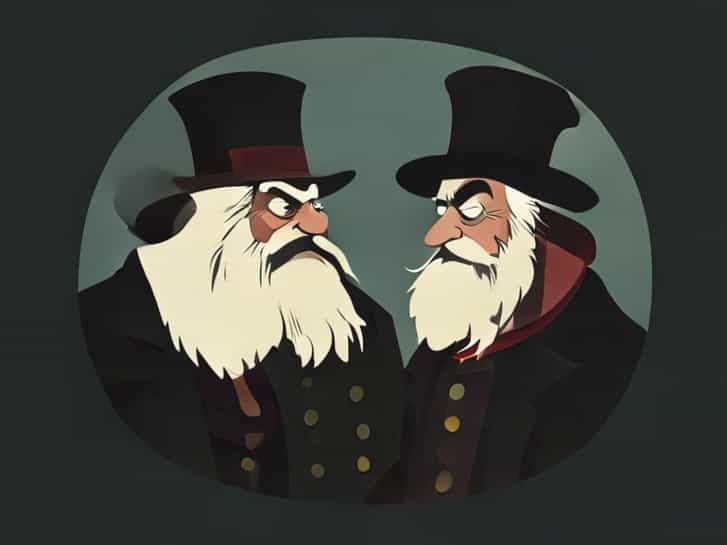
In the opening chapters of Charles Dickens’ classic novella, the encounter between Ebenezer Scrooge and the two portly gentlemen may seem brief, but it carries deep meaning. This moment is more than a simple request for charity; it reveals Scrooge’s character, exposes social realities of Victorian England, and sets the moral foundation for the story’s transformation. Understanding what the portly gentlemen want from Scrooge helps readers grasp the larger themes of generosity, responsibility, and compassion that shape the narrative.
The Context of the Portly Gentlemen’s Visit
The portly gentlemen appear early in the story, visiting Scrooge in his counting house on Christmas Eve. At this point, Scrooge is firmly established as a miserly, cold-hearted businessman who values profit above human connection. The gentlemen are described as well-dressed and respectable, suggesting they represent organized charity rather than individual desperation.
Their timing is important. Christmas Eve symbolizes goodwill and generosity, making their request a moral test for Scrooge. This encounter introduces the conflict between wealth and social responsibility that runs throughout the story.
Who Are the Portly Gentlemen?
The portly gentlemen are representatives of charitable organizations that support the poor, homeless, and disadvantaged. They are not beggars asking for personal help but messengers for a broader cause. Their polite manners and formal language reflect their role as organizers of social aid.
They believe that those with financial means have a duty to help those less fortunate, especially during the harsh winter months when poverty becomes even more dangerous.
Their Role in Victorian Society
In Victorian England, poverty was widespread, and social welfare systems were limited. Charitable donations were a primary source of relief for the poor. The portly gentlemen symbolize this system and the moral expectations placed on wealthy individuals.
What the Portly Gentlemen Want from Scrooge
The portly gentlemen want Scrooge to make a financial donation to support the poor. Specifically, they seek money to buy food, warmth, and basic necessities for those struggling to survive. Their request is straightforward and reasonable, given Scrooge’s wealth.
They explain that many people are suffering, lacking even the most basic comforts. Their appeal is based on empathy and shared humanity rather than guilt or pressure.
The Nature of Their Request
The gentlemen do not demand a specific amount. Instead, they invite Scrooge to contribute whatever he feels is appropriate. This approach respects his autonomy while still emphasizing moral responsibility.
They frame their request as an opportunity for Scrooge to participate in a collective effort to ease suffering, especially during Christmas.
Scrooge’s Reaction to the Request
Scrooge responds with hostility and sarcasm. He questions why he should donate when he already pays taxes that support prisons and workhouses. His reaction reveals his belief that poverty is a personal failing rather than a social issue.
Instead of compassion, Scrooge shows annoyance, treating the gentlemen as an inconvenience interrupting his business.
Scrooge’s View on the Poor
Scrooge suggests that those who cannot support themselves should go to prisons or workhouses. When told that many would rather die than go there, he infamously remarks that such deaths would decrease the surplus population.
This response highlights his lack of empathy and underscores the harsh attitudes held by some wealthy individuals of the time.
The Gentlemen’s Response to Rejection
Despite Scrooge’s cruelty, the portly gentlemen remain polite and calm. They do not argue aggressively or insult him. Instead, they express regret and quietly withdraw.
Their dignity contrasts sharply with Scrooge’s bitterness, reinforcing their moral standing and making Scrooge’s behavior appear even more heartless.
Symbolism of the Portly Gentlemen
The portly gentlemen symbolize society’s conscience. They represent the voice of compassion, urging the wealthy to recognize their role in alleviating suffering. Their physical description as portly may also suggest comfort and abundance, highlighting the contrast between those who have plenty and those who have nothing.
They are not portrayed as heroes or saints, but as ordinary men doing what they believe is right.
The Moral Challenge They Present
Their visit challenges Scrooge’s worldview. By asking for a donation, they force him to confront the existence of poverty and his responsibility toward it. His rejection of their request becomes a key example of his moral failure.
This moment sets the stage for the supernatural visits that follow, which aim to teach Scrooge the lessons he initially refuses to learn.
Connection to the Themes of the Story
Understanding what the portly gentlemen want from Scrooge helps clarify the central themes of the story. Charity, empathy, and social responsibility are core ideas that Dickens explores through this interaction.
The gentlemen’s request emphasizes that true wealth is not measured only in money, but in kindness and willingness to help others.
Why the Request Is Important to the Plot
Although brief, this scene is crucial. It establishes Scrooge’s initial moral position, making his later transformation more powerful. Without witnessing his refusal to help, readers would not fully appreciate the depth of his change.
The request also reappears later in the story when Scrooge, now transformed, actively seeks out one of the portly gentlemen to make a generous donation.
Social Criticism Embedded in the Scene
Dickens uses the portly gentlemen to critique social attitudes toward poverty. By presenting their reasonable request alongside Scrooge’s cruel response, Dickens exposes the shortcomings of a society that allows wealth to exist alongside extreme suffering.
This critique remains relevant, as it raises questions about individual responsibility and collective care.
The Gentlemen as a Measure of Change
At the end of the story, Scrooge’s renewed interaction with the portly gentlemen demonstrates his moral rebirth. He not only gives generously but does so with enthusiasm and humility.
This contrast shows how far he has come and reinforces the message that people are capable of change.
Key Reasons the Portly Gentlemen Approach Scrooge
- He is wealthy and able to help
- They represent organized charity
- Christmas highlights the need for generosity
- Social norms expect the rich to support the poor
Final Reflection
The portly gentlemen want Scrooge to contribute money to help the poor, but their request carries far greater meaning. It is a moral appeal, a test of character, and a reflection of societal values. Scrooge’s initial refusal reveals his flaws, while his later generosity confirms his redemption.
By examining what the portly gentlemen want from Scrooge, readers gain deeper insight into the ethical heart of the story. Their simple request becomes the spark that helps illuminate the path from greed to generosity, making it one of the most important moments in this timeless tale.