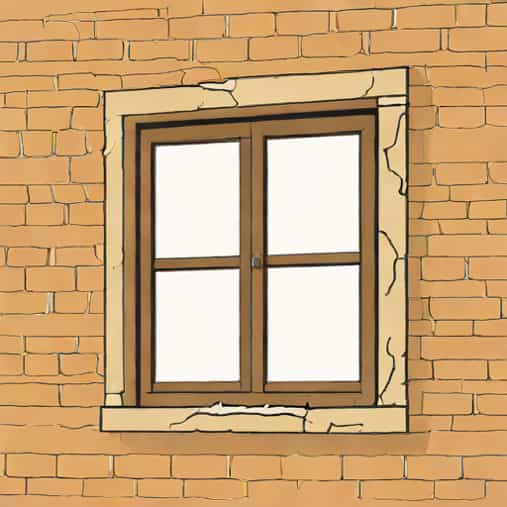
Repairing a rotted exterior window frame is a crucial home maintenance task that helps protect your house from water damage, drafts, and further deterioration. Rotted wood frames not only compromise the structural integrity of your windows but can also lead to higher energy bills and potential mold growth if left untreated. Addressing rot promptly ensures that your windows remain functional, weather-resistant, and visually appealing. This guide provides detailed steps, tools, and materials for repairing rotted window frames effectively, along with tips for preventing future damage.
Understanding Window Frame Rot
Window frame rot occurs when moisture infiltrates the wood, breaking down its fibers and causing decay. This can happen due to poor sealing, leaking gutters, damaged paint, or prolonged exposure to rain and humidity. Wood rot can appear as soft, spongy areas, discoloration, or flaking paint. Identifying the extent of the damage is the first step toward a successful repair.
Types of Wood Rot
- Dry rot Caused by fungal growth in dry conditions; can spread deeply into the wood.
- Wet rot Occurs when wood remains damp for extended periods; typically softer and easier to detect.
- Surface rot Limited to the outer layers of wood; easier to repair with fillers or epoxy.
Tools and Materials Needed
Before starting the repair, gather all necessary tools and materials to ensure a smooth process
- Chisel or putty knife
- Sandpaper (medium and fine grit)
- Wire brush
- Wood hardener or epoxy consolidant
- Wood filler or epoxy filler
- Paint scraper
- Protective gloves and safety glasses
- Paint or exterior wood sealant
- Cloth or sponge for cleaning
Step-by-Step Repair Process
Repairing a rotted window frame involves removing the damaged wood, treating the remaining structure, and restoring it with suitable materials. Follow these steps carefully
1. Assess the Damage
Examine the entire window frame to determine the severity of the rot. Use a screwdriver or chisel to test for soft spots. Identify whether the rot is localized or widespread, which will dictate whether a simple patch or partial frame replacement is needed.
2. Remove Rotted Wood
Use a chisel, putty knife, or saw to carefully remove all decayed wood. Ensure that you remove only the rotted areas while preserving as much healthy wood as possible. Clean out debris and dust using a wire brush to create a smooth surface for treatment.
3. Apply Wood Hardener
For minor to moderate rot, apply a wood hardener to strengthen the remaining wood. Follow these steps
- Wear protective gloves and safety glasses.
- Use a brush to coat the affected area evenly with the hardener.
- Allow it to penetrate and dry according to the manufacturer’s instructions.
Wood hardener stabilizes weakened fibers, preventing further decay and providing a solid base for filler application.
4. Fill the Cavity
After the hardener dries, fill the void left by the removed rot
- Mix wood filler or epoxy filler according to instructions.
- Apply the filler to the cavity using a putty knife, pressing firmly to ensure adhesion.
- Sculpt the filler to match the natural contour of the window frame.
- Allow the filler to cure completely, usually several hours to overnight.
5. Sand and Smooth
Once the filler has hardened, sand the repaired area to achieve a smooth surface. Start with medium-grit sandpaper and finish with fine-grit for a seamless appearance. Ensure the area blends well with the surrounding frame to prepare for painting or sealing.
6. Prime and Paint
Protect the repaired window frame from future rot by sealing it properly
- Apply a coat of exterior wood primer to the repaired area.
- Once dry, apply exterior-grade paint or wood sealant to match the rest of the frame.
- Consider painting the entire frame for uniform protection and aesthetics.
Proper sealing prevents water infiltration and extends the lifespan of the window frame.
Tips for Preventing Future Rot
Prevention is key to maintaining healthy exterior window frames. Implement these strategies
Regular Inspection
Check window frames annually for signs of moisture, peeling paint, or soft spots. Early detection allows for minor repairs before severe rot develops.
Maintain Caulking and Seals
Ensure that window caulking and seals are intact. Replace cracked or missing caulk to prevent water from entering the wood.
Proper Drainage
Keep gutters and downspouts clear to prevent water from pooling near windows. Proper roof and siding drainage reduce exposure to moisture.
Use Rot-Resistant Materials
Consider using treated wood, composite materials, or rot-resistant wood species like cedar or redwood when replacing frames. These materials are more durable and less prone to decay.
Paint and Seal Regularly
Apply exterior paint and sealant regularly to protect wood surfaces from weathering. Maintain at least one protective layer at all times.
When to Replace the Window Frame
Some damage may be too extensive for simple repairs. Consider frame replacement if
- Rot extends deep into structural elements.
- The window frame is warped, cracked, or compromised.
- Repeated repairs are necessary without lasting results.
- Water damage has affected surrounding walls or insulation.
Replacing the frame ensures long-term durability and restores proper window function.
Repairing a rotted exterior window frame requires careful assessment, removal of decayed wood, application of wood hardener, filling cavities, sanding, and painting. By following these steps, homeowners can restore the structural integrity and appearance of their windows while protecting them from future water damage. Preventive measures, including regular inspections, proper sealing, and maintenance of gutters and paint, help minimize the risk of future rot. In cases of severe damage, full frame replacement may be the best option to ensure safety, energy efficiency, and longevity. Maintaining exterior window frames not only improves the aesthetics of your home but also preserves its value and structural health over time.