The word catafalque is one of those English terms that can confuse even native speakers due to its unusual spelling and Latin origin. It is not commonly used in everyday conversation, but it appears in formal contexts, particularly in ceremonies, state funerals, or historical discussions about memorials. Understanding how to pronounce catafalque correctly is important for public speaking, reading historical texts aloud, or participating in discussions involving ceremonial traditions. Pronunciation in English can vary slightly depending on accents and regions, but there are standard conventions that most dictionaries recognize.
What is a Catafalque?
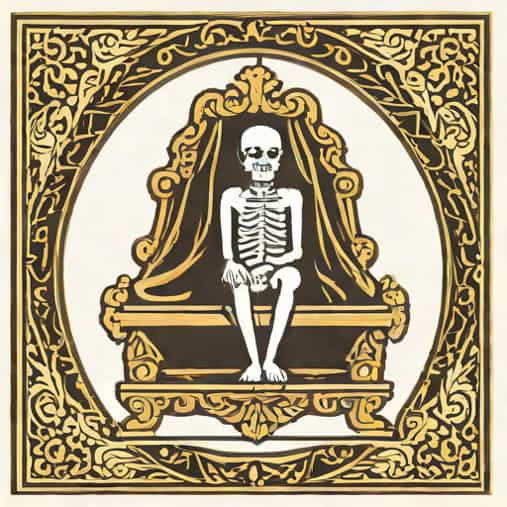
Before discussing pronunciation, it helps to understand what a catafalque is. A catafalque is a raised platform or structure designed to support a coffin or casket during a funeral or memorial service. It is often elaborately decorated and used during state funerals or ceremonial events. The term originates from the Italian word catafalco, which in turn comes from the Late Latin catafalcum. Recognizing the context in which the word is used can help in remembering its pronunciation and correct application in speech or writing.
Pronunciation Basics
The standard English pronunciation of catafalque can be phonetically represented asËkætÉfÉËkin British English and similarly in American English. This breaks down into three syllables CAT-a-falk. The stress is placed on the first syllable, CAT, while the final -que is pronounced like falk rather than k or que as in French. Understanding the syllable breakdown helps with speaking the word naturally and confidently.
Step-by-Step Guide to Pronunciation
To pronounce catafalque accurately, you can follow these steps
Step 1 Pronounce the First Syllable
The first syllable, cat, is pronounced like the word cat referring to the animal. It is emphasized more than the other syllables, so make sure to speak it clearly and confidently.
Step 2 Pronounce the Second Syllable
The second syllable, a, is pronounced softly, almost like a schwa sound, similar to the a in sofa. This syllable is short and unstressed, serving as a bridge between the first and last syllables.
Step 3 Pronounce the Last Syllable
The final syllable, falque, is pronounced like fawk or falk, depending on accent. The l is pronounced softly, and the que ending is silent in the sense that it does not sound like the English k separately but blends smoothly into the falk sound. Avoid pronouncing it as catafal-que with a hard k at the end, as that is incorrect in standard English usage.
Common Pronunciation Variations
English pronunciation can vary slightly depending on region or speaker, so some variations are encountered
- British English often usesËkætÉfÉËk, emphasizing the aw sound in the final syllable.
- American English may use a shorter o sound, pronounced asËkætÉfÉËkor CAT-a-falk, with slight differences in vowel length.
- Some historical or formal readings may preserve a slightly French-influenced pronunciation, but this is less common in modern speech.
Regardless of these minor variations, stressing the first syllable and pronouncing the final -que as falk will make your pronunciation widely understood.
Tips for Remembering the Pronunciation
Given that catafalque is not frequently used, it can be helpful to use mnemonic or practice techniques to remember how to say it correctly.
Break the Word into Parts
Visualizing and practicing the word in three parts-cat, a, and falk-can make it easier to pronounce without hesitation. Repeating these three segments slowly and then merging them into a single word reinforces memory and confidence.
Associate with Context
Since catafalques are associated with funerals or memorial ceremonies, associating the word with its context can help you remember both its meaning and pronunciation. Visualizing a ceremonial platform during practice can create a mental link, making it easier to recall under pressure.
Practice Aloud
Pronunciation is best learned through repetition. Practicing aloud, recording yourself, and comparing with authoritative sources such as dictionaries or pronunciation guides can significantly improve accuracy. Speaking the word in sentences, such as The catafalque was draped in black velvet, helps integrate it into natural speech patterns.
Common Mistakes
Many English speakers mispronounce catafalque due to its spelling, which looks French or Latin. Common mistakes include
- Pronouncing the que as a hard k sound, like in quick.
- Misplacing the stress on the second syllable, leading to unnatural pronunciation.
- Overemphasizing vowels, which can make the word sound awkward or incorrect.
Avoiding these errors by following the standard pronunciation steps ensures your speech remains accurate and professional.
Using Catafalque in Speech
Understanding pronunciation also helps in using the word appropriately in formal or written contexts. Catafalques are often mentioned in historical texts, ceremonial reports, or discussions about state funerals. Correct pronunciation adds authority and clarity when presenting speeches, giving lectures, or reading aloud from formal documents.
Example Sentences
- The president’s coffin rested on an ornate catafalque during the national memorial.
- Historians described the construction of the catafalque in meticulous detail.
- During the ceremony, the soldiers stood solemnly around the catafalque, honoring the fallen leader.
Practicing these examples aloud can reinforce both pronunciation and proper usage in context.
Pronouncing catafalque in English may seem challenging due to its spelling and historical origin, but it can be mastered with careful attention to syllable breakdown and stress patterns. The word is pronounced as CAT-a-falk, with emphasis on the first syllable and a smooth ending that sounds like falk. Understanding the meaning of a catafalque-a ceremonial platform for a coffin-further aids in correct usage and contextual awareness. By practicing aloud, breaking the word into manageable segments, and associating it with its ceremonial context, anyone can confidently use catafalque in speech or reading. Mastery of this pronunciation enhances clarity in formal communication and enriches vocabulary for those interested in historical, ceremonial, or architectural discussions.