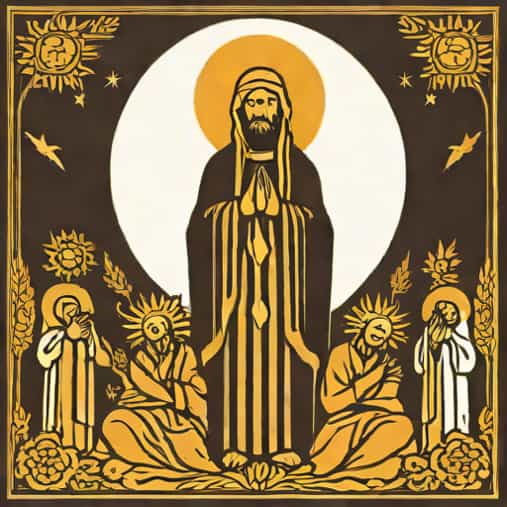
The idea of offering a prayer to release 10,000 souls from purgatory has circulated for generations within Christian devotional tradition, especially in Catholic spirituality. For many believers, this prayer is not about numbers alone, but about compassion, intercession, and hope in God’s mercy. It reflects a deep concern for the souls of the departed and a belief that prayer has spiritual power beyond the limits of time and space. This devotion invites reflection on purgatory, mercy, and the responsibility of the living to remember the dead in prayer.
Understanding Purgatory in Christian Belief
Purgatory is traditionally understood as a state of purification for souls who have died in God’s grace but are not yet fully purified. It is not a place of condemnation, but of preparation. The belief emphasizes God’s justice and mercy working together, allowing souls to be cleansed before entering eternal communion with Him.
Within this understanding, prayers for the dead are seen as acts of love. They express solidarity between the living and the departed, affirming that the bond of faith continues even after death.
Why Prayers for the Souls in Purgatory Matter
Praying for souls in purgatory is rooted in the belief that the faithful can assist one another spiritually. These prayers are acts of mercy that align with the broader Christian call to love one’s neighbor, including those who can no longer pray for themselves.
The devotion to offering prayers for many souls at once highlights a universal concern rather than a focus on individual gain.
The Origin of the Prayer to Release 10,000 Souls
The prayer to release 10,000 souls from purgatory is often attributed to private devotion rather than formal doctrine. Over time, it has been shared through prayer books, oral tradition, and personal testimonies. While the specific number varies in different versions, the intention remains consistent to ask God to show abundant mercy to souls undergoing purification.
This type of prayer should be understood symbolically as well as spiritually. The number represents the vastness of God’s mercy and the many souls in need of prayer.
Symbolism of Numbers in Prayer
In Christian tradition, numbers often carry symbolic meaning. The mention of 10,000 souls does not function as a literal guarantee but as an expression of generosity and trust in God’s infinite compassion.
Such prayers encourage believers to think beyond themselves and embrace a wider spiritual vision.
Structure and Spirit of the Prayer
A prayer to release 10,000 souls from purgatory typically includes praise, petition, and surrender to God’s will. It may invoke God’s mercy, the sacrifice of Christ, and the intercession of saints. The focus is not on personal benefit but on offering spiritual assistance to others.
What makes this prayer meaningful is not its length or wording, but the intention behind it. Sincerity and faith are central to its spiritual value.
Common Elements Found in the Prayer
- Acknowledgment of God’s mercy and justice
- Remembrance of the souls suffering purification
- Trust in Christ’s redemptive sacrifice
- Humility and submission to God’s will
These elements reflect core Christian beliefs and help guide the heart toward compassion and hope.
Spiritual Meaning Behind Releasing Souls
The phrase to release souls from purgatory should be understood within the language of faith. It expresses the hope that God, in response to prayer, may shorten the purification of souls and welcome them into eternal peace.
This belief underscores the idea that prayer participates in God’s work, not by human power, but through divine grace.
Mercy as the Central Theme
Mercy is the foundation of this devotion. By praying for souls in purgatory, believers imitate God’s mercy and extend love beyond visible boundaries. It is an act that shifts attention away from self-centered prayer toward self-giving concern.
In this sense, the prayer becomes a spiritual exercise in compassion.
The Role of Intention and Faith
In any prayer, intention matters. A prayer to release 10,000 souls from purgatory is most meaningful when prayed with genuine faith and humility. The focus is not on achieving a specific outcome but on entrusting souls to God’s loving care.
Faith allows believers to accept that God responds according to divine wisdom, which may go beyond human understanding.
Prayer as an Act of Trust
This type of prayer invites trust rather than control. It acknowledges that while humans can pray, the ultimate work of purification belongs to God alone.
Such trust can deepen personal faith and spiritual maturity.
Personal and Communal Benefits of the Prayer
While the prayer is directed toward helping souls in purgatory, it also transforms the one who prays. Regular reflection on death, mercy, and eternity can encourage humility, gratitude, and ethical living.
Communally, this devotion strengthens a sense of shared faith across generations, connecting the living and the dead in prayer.
Misunderstandings About the Prayer
Some misunderstand the prayer to release 10,000 souls from purgatory as a formula or guarantee. However, authentic Christian teaching does not treat prayer as a transaction. The value lies in devotion, not numerical certainty.
Clarifying this helps prevent superstition and keeps the focus on genuine spiritual growth.
Integrating the Prayer Into Daily Spiritual Life
This prayer can be incorporated into personal devotion, especially during times dedicated to remembering the dead. It can be prayed slowly, reflectively, or adapted into one’s own words while preserving its intention.
Integrating such prayers into daily life encourages ongoing awareness of eternity and the call to mercy.
A Prayer That Shapes the Heart
Ultimately, a prayer to release 10,000 souls from purgatory is less about numbers and more about love. It shapes the heart toward compassion, reminds believers of their connection to others, and reinforces trust in God’s mercy.
A Devotion Rooted in Hope
The prayer to release 10,000 souls from purgatory reflects a long-standing tradition of intercessory prayer rooted in hope and mercy. It invites believers to look beyond themselves and to remember those who await full union with God.
Through this devotion, prayer becomes an expression of love that transcends death, affirming faith in God’s justice, compassion, and the enduring power of prayer.