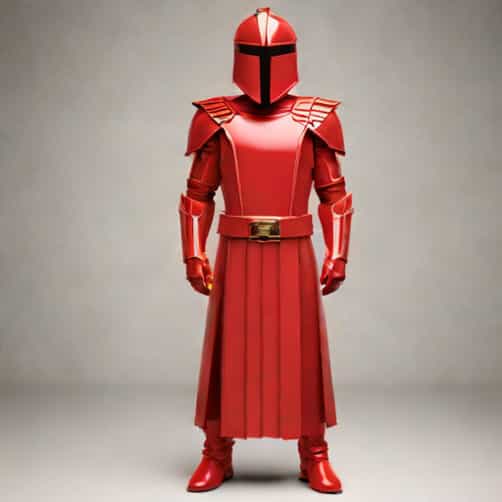
The elite Praetorian Guard costume is a striking representation of the iconic Roman military unit that served as personal bodyguards to the emperors. Often seen in historical reenactments, movies, and cosplay, this costume combines elements of authenticity, historical symbolism, and theatrical flair. Understanding the components, historical context, and significance of the elite Praetorian Guard costume can enrich one’s appreciation of Roman history and military culture, while also providing guidance for enthusiasts interested in recreating these iconic looks with accuracy and style.
Historical Background of the Praetorian Guard
The Praetorian Guard was established during the Roman Republic and later formalized under Emperor Augustus as a permanent imperial guard. Unlike regular legionaries, the Praetorians were elite soldiers tasked with protecting the emperor and maintaining security within Rome. Their prominence in Roman political life often extended beyond their military duties, influencing succession and political decisions. The distinctive costume of the Praetorian Guard was designed not only for protection but also to convey status, authority, and loyalty, making it one of the most recognizable military uniforms in history.
Key Roles and Responsibilities
- Protection of the emperor and imperial family.
- Participation in ceremonial and public events.
- Maintenance of order within Rome and critical locations.
- Influence in political decisions and imperial succession.
- Representation of Rome’s military power and prestige.
Components of the Elite Praetorian Guard Costume
The elite Praetorian Guard costume is distinguished by a combination of armor, helmets, weapons, and accessories. Each element serves a practical or symbolic purpose, reflecting the dual role of the guards as warriors and imperial protectors. Modern recreations focus on historical accuracy while accommodating comfort and mobility for performances, cosplay, or reenactments.
Helmet
The Praetorian helmet is one of the most recognizable features of the costume. Typically made of bronze or iron, these helmets included cheek guards, a neck guard, and sometimes decorative crests. The crest, often colored red or black, signified rank and unit distinction, making the wearer instantly identifiable as a member of the elite guard.
Armor
The core of the Praetorian uniform is the lorica segmentata, a type of segmented plate armor. This armor provided flexibility and protection, covering the chest, shoulders, and back. Some elite guards wore chainmail or a combination of plates and chainmail for additional defense. The polished metal and intricate design conveyed status and authority, emphasizing the elite nature of the unit.
Weapons
The Praetorian Guard was equipped with both offensive and defensive weapons. The gladius, a short sword, was ideal for close combat, while a dagger served as a secondary weapon. Some guards carried a pilum, a type of javelin, although the primary focus of the Praetorians was personal protection and ceremonial duties rather than battlefield engagements.
Accessories and Insignia
- Scutum a rectangular shield often decorated with imperial symbols.
- Belt and pteruges leather straps hanging from the waist or shoulders for additional protection and decoration.
- Cloak often red or purple, signifying elite status and Roman authority.
- Decorative badges or insignia indicating rank, honors, and unit affiliation.
Significance in Modern Culture
The elite Praetorian Guard costume has transcended historical reenactment to become a popular symbol in films, television, and cosplay. Movies and series depicting ancient Rome often showcase the guards in full regalia, emphasizing their imposing presence and elite status. The costume is also celebrated in historical reenactments and themed events, allowing enthusiasts to explore Roman history through immersive experiences.
Examples of Modern Use
- Historical films depicting Roman emperors and imperial ceremonies.
- Cosplay events and conventions where historical or fantasy characters are portrayed.
- Educational programs and museum exhibitions showcasing Roman military history.
- Parades and public demonstrations of Roman reenactment groups.
- Theatrical productions emphasizing historical authenticity and visual impact.
Creating an Accurate Costume
For enthusiasts interested in constructing an elite Praetorian Guard costume, attention to historical detail is essential. Researching original designs, materials, and construction methods can ensure authenticity. Modern materials such as lightweight metals, high-quality plastics, and leather can be used to replicate traditional armor while maintaining comfort and mobility. Proper attention to helmets, armor patterns, crests, and insignia will enhance the overall accuracy and visual appeal of the costume.
Tips for Costume Construction
- Study historical references, such as statues, reliefs, and ancient texts.
- Choose durable materials that balance authenticity with wearability.
- Pay attention to helmet design, including crest placement and cheek guards.
- Replicate the lorica segmentata or chainmail using modular construction techniques.
- Incorporate accessories like shields, belts, and cloaks to complete the ensemble.
Symbolism and Aesthetic Appeal
The elite Praetorian Guard costume is more than just functional armor; it represents power, discipline, and prestige. The polished metal, decorative crests, and vibrant cloaks communicate authority and presence. Whether used in historical reenactments, films, or cosplay, the costume evokes the grandeur of ancient Rome and provides a tangible connection to the empire’s rich military and cultural heritage. Its aesthetic appeal continues to captivate audiences and inspire creative interpretations around the world.
Symbolic Elements
- Helmets with crests signify rank and unit affiliation.
- Red or purple cloaks represent elite status and imperial favor.
- Decorated shields convey both protection and the power of Rome.
- Ornate armor demonstrates discipline, skill, and authority.
- Overall ensemble reflects the unique dual role of the Praetorian Guard as warriors and protectors.
The elite Praetorian Guard costume is a remarkable blend of historical accuracy, artistry, and symbolism. Its components from the helmet and segmented armor to weapons and accessories reflect the prestigious role of the Praetorian Guard in ancient Rome. Today, this costume continues to inspire enthusiasts, reenactors, and filmmakers, serving as a visual representation of discipline, power, and Roman military tradition. By understanding its history, design, and cultural significance, one can fully appreciate the enduring appeal of the elite Praetorian Guard costume and its place in both historical study and modern interpretation.