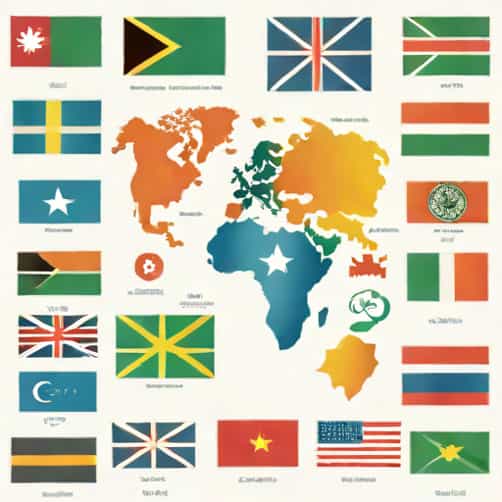
The Commonwealth of Nations is a unique political association of countries, most of which were formerly part of the British Empire. Today, it consists of 56 member countries spanning Africa, Asia, the Americas, Europe, and the Pacific. These countries cooperate on issues of democracy, human rights, economic development, and cultural exchange, maintaining historical ties while promoting mutual respect and collaboration. Membership in the Commonwealth provides countries with opportunities for trade, education, and political dialogue. Understanding the countries in the Commonwealth, their diversity, and their shared values is essential for appreciating this global network and the benefits it offers to its members.
Overview of the Commonwealth of Nations
The Commonwealth of Nations was formally established in 1931 with the Statute of Westminster, evolving from the British Empire into a voluntary association of sovereign states. The organization emphasizes shared values such as democracy, human rights, and the rule of law. While the countries in the Commonwealth vary greatly in size, population, and economic development, they are united by common principles and a commitment to fostering international cooperation. The Commonwealth also promotes cultural exchange, education, and sustainable development, making it a platform for countries to collaborate beyond political and economic interests.
Geographical Distribution
Member countries of the Commonwealth are spread across multiple continents, reflecting a rich diversity of cultures, languages, and histories. The organization includes
- AfricaCountries such as South Africa, Nigeria, Kenya, and Ghana are prominent members, contributing to regional stability and economic growth.
- AsiaNations like India, Malaysia, Singapore, and Pakistan bring economic dynamism and historical ties to the association.
- AmericasCanada, Jamaica, and Trinidad and Tobago are examples of countries in the Americas participating in Commonwealth initiatives.
- EuropeThe United Kingdom and Cyprus are European members, serving as historical anchors and modern participants.
- PacificAustralia, New Zealand, Fiji, and Papua New Guinea represent Pacific nations, contributing to regional security and environmental cooperation.
Key Member Countries
Some Commonwealth countries play particularly significant roles due to their size, economic influence, or historical importance. For instance
- United KingdomAs the founding member, the UK provides a historical and symbolic center for the Commonwealth, supporting initiatives and hosting key meetings.
- CanadaA major economic and cultural contributor, Canada participates in programs related to education, trade, and governance.
- IndiaWith the largest population in the Commonwealth, India influences economic policies, technology initiatives, and cultural collaborations.
- Australia and New ZealandBoth countries are active in regional cooperation, environmental sustainability, and international diplomacy within the Commonwealth framework.
- South AfricaAs a key player in African politics and economics, South Africa contributes to peacekeeping, economic growth, and social development.
Smaller Nations and Island States
The Commonwealth also includes smaller countries and island states, which benefit from international support and collaboration. Nations such as Malta, Barbados, Fiji, and the Bahamas use the platform to enhance trade, promote tourism, and address climate change issues. Participation in Commonwealth programs allows these countries to access educational scholarships, technical expertise, and development assistance that might otherwise be unavailable to smaller economies.
Commonwealth Values and Objectives
The countries in the Commonwealth share core values and objectives that guide their cooperation. These include
- DemocracyPromoting free and fair elections and transparent governance across member states.
- Human RightsUpholding the dignity, equality, and rights of individuals within each member country.
- Economic DevelopmentEncouraging trade, investment, and sustainable economic growth among member nations.
- Education and Youth EngagementFostering educational opportunities, scholarships, and youth leadership programs.
- Environmental SustainabilityCollaborating on climate change mitigation, biodiversity protection, and sustainable development goals.
Commonwealth Games and Cultural Exchange
One of the most visible manifestations of unity among Commonwealth countries is the Commonwealth Games. Held every four years, this multi-sport event brings together athletes from member countries, promoting sportsmanship, cultural understanding, and international friendship. Beyond sports, the Commonwealth supports cultural exchanges, educational programs, and collaborative research, highlighting the shared heritage and contemporary connections among its diverse members.
Membership Criteria and Governance
Countries join the Commonwealth voluntarily and are expected to adhere to its principles. The organization operates through a biennial Commonwealth Heads of Government Meeting (CHOGM), where leaders discuss policy, cooperation, and shared challenges. The Commonwealth Secretariat, headquartered in London, coordinates programs and initiatives across member states, ensuring that policies align with the organization’s goals. Membership is open to countries that demonstrate commitment to democracy, human rights, and the rule of law, allowing the Commonwealth to maintain both relevance and credibility on the international stage.
Benefits of Membership
Being a part of the Commonwealth provides numerous advantages for member countries, including
- Access to trade agreements and economic partnerships among member nations.
- Opportunities for education and scholarships through Commonwealth programs.
- Collaboration on health, technology, and sustainable development projects.
- Participation in cultural and sporting events that strengthen international ties.
- Support for governance, legal systems, and public policy development.
Challenges and Criticisms
Despite its achievements, the Commonwealth faces challenges in ensuring that all member countries benefit equally. Critics argue that the organization’s influence is limited compared to global bodies like the United Nations. Some smaller or less-developed nations may struggle to fully participate in programs or realize economic benefits. Additionally, balancing the historical legacy of colonialism with modern ideals of equality and mutual respect remains a continuous effort. Nevertheless, the Commonwealth continues to evolve, seeking to address these challenges while maintaining its unique role in international cooperation.
The countries in the Commonwealth represent a remarkable network of nations united by history, values, and mutual interests. From large powers like the United Kingdom, India, and Canada to smaller island states and emerging economies, the organization brings together a diverse range of voices and perspectives. The Commonwealth promotes democracy, human rights, economic development, and cultural exchange, offering member countries opportunities for collaboration and growth. Through initiatives like the Commonwealth Games, educational programs, and sustainable development projects, the organization strengthens global ties while respecting the sovereignty and diversity of each nation.
Understanding the composition and purpose of the Commonwealth provides insight into its significance as a modern international organization. Its member countries, though diverse in size, culture, and economic power, share common goals that foster cooperation, stability, and development. By embracing both shared history and contemporary challenges, the Commonwealth continues to be a unique and influential network that connects nations across continents, offering benefits that extend far beyond its historical roots.