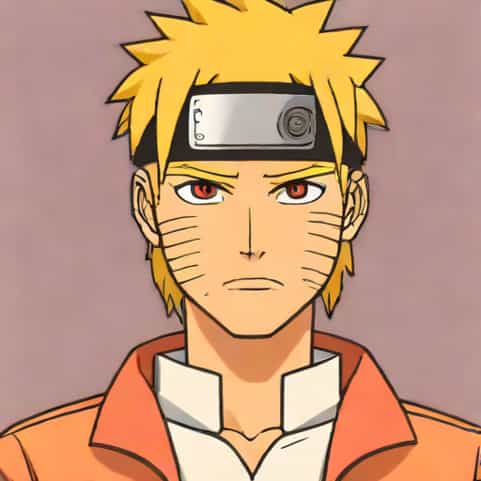
The Naruto series has sparked countless discussions among fans, ranging from character development and story arcs to humorous moments and transformations. One topic that occasionally comes up is the question, Naruto, are you a transvestite? This question usually arises from Naruto’s frequent use of transformation techniques, especially the comedic Sexy Jutsu, where he disguises himself as a female version to confuse, distract, or annoy his opponents. While entertaining, this leads to deeper questions about gender expression, cross-dressing in anime, and the cultural role of humor in Japanese storytelling.
Why the Question Arises
Naruto Uzumaki is known for his mischievous personality and playful use of ninjutsu. One of his earliest signature techniques is the Transformation Jutsu, which allows him to change his appearance at will. Instead of using it solely for tactical advantage, Naruto often transforms into a woman in exaggerated comedic situations. This playful habit has led some viewers to jokingly ask whether Naruto could be considered a transvestite.
The truth is that Naruto’s behavior is not meant to be an exploration of gender identity but rather a form of comic relief. Still, the repeated cross-dressing moments make the subject worth discussing in the context of anime tropes and cultural humor.
Understanding the Term Transvestite
The word transvestite is an older term historically used to describe people who wear clothing traditionally associated with another gender. Today, the term is less commonly used and often replaced with more specific language such as cross-dressing or discussions around gender expression. In the context of Naruto, the character’s transformation jutsu is not about personal identity but about strategy and comedy.
It is important to recognize that Naruto’s antics should not be taken as a literal reflection of gender identity. Instead, it is a narrative tool used by the creators to entertain audiences and highlight Naruto’s mischievous and unpredictable personality.
Cross-Dressing as Comedy in Anime
Cross-dressing has long been a recurring theme in Japanese media, including anime and manga. It often appears as a lighthearted gag rather than a serious exploration of gender identity. In Naruto’s case, the Sexy Jutsu exaggerates feminine features in a way that is intentionally humorous and over-the-top.
This kind of humor is not unique to Naruto. Other anime series also include scenes where characters disguise themselves as the opposite gender for laughs, deception, or dramatic effect. This reflects a broader storytelling tradition where humor, surprise, and shock value are used to keep viewers entertained.
Naruto’s Use of Transformation Jutsu
Naruto’s transformation abilities go beyond comedic purposes. In battles, he uses the technique to deceive enemies, distract powerful opponents, and even gain the upper hand in serious fights. However, his choice to frequently transform into a female version is one of his trademarks.
This habit often embarrasses those around him, especially teachers or authority figures, reinforcing Naruto’s role as the prankster of the ninja world. The technique is less about self-expression and more about Naruto’s love of causing chaos and breaking traditional expectations.
Fan Reactions to the Question
When fans encounter the question, Naruto, are you a transvestite? reactions vary. Some laugh it off as a natural misunderstanding given Naruto’s many transformations, while others point out that the character is clearly not portrayed as cross-dressing in a personal or identity-driven way. Instead, fans recognize it as one of the most memorable comedic devices in the series.
The discussion also highlights the way audiences interpret humor differently across cultures. What Japanese writers intended as playful comedy may sometimes be read differently by Western audiences, where terms like cross-dressing carry more layered social meanings.
The Role of Humor in Naruto
Comedy is a major part of Naruto’s storytelling. Before the series dives into heavy themes such as loneliness, friendship, and perseverance, it often balances tension with humor. Naruto’s transformation into a woman is one example of how the series keeps its tone lighthearted in the early stages.
This use of humor makes the character more relatable and likable. It shows Naruto as someone who does not take himself too seriously, even when faced with harsh challenges. The playful use of transformation also helps establish him as a trickster figure, a common archetype in folklore and literature.
How Gender Expression is Handled in the Series
While Naruto frequently uses cross-gender transformation for comedic effect, the series itself does not deeply explore themes of gender identity. The transformations are temporary and serve specific purposes. Unlike characters in other stories who may struggle with identity, Naruto never questions his gender or uses the transformation to express himself personally.
Instead, the narrative treats the technique as another aspect of his unpredictable personality. The series is primarily about determination, loyalty, and growth, with humor simply providing balance.
Comparisons to Other Anime Characters
Naruto is not the only anime character to use cross-dressing or transformation as part of their role. Many other series include characters who dress or act as the opposite gender for comedic or dramatic reasons. For example
- Some characters disguise themselves as the opposite gender to sneak into restricted areas.
- Others adopt disguises to protect their identities or complete missions.
- Certain series exaggerate gender swaps purely for comic shock value, much like Naruto’s Sexy Jutsu.
This shows that Naruto’s antics are part of a larger anime tradition rather than a unique characteristic that defines him personally.
Why Fans Keep Asking the Question
The question Naruto, are you a transvestite? persists largely because the transformation scenes are so memorable. They stand out as some of the funniest and most surprising moments in the series. New fans who encounter these scenes for the first time often wonder if there is a deeper meaning behind them.
In reality, the humor is straightforward. Naruto is not being portrayed as someone exploring gender identity but as a young prankster who uses every tool available to get reactions from those around him.
Cultural Context Matters
When interpreting anime, it is important to understand the cultural context in which it was created. In Japan, playful depictions of cross-dressing in media are not uncommon and are often received as harmless comedy. Western audiences may interpret the same scenes differently, sometimes projecting more serious questions onto lighthearted gags.
Recognizing this cultural difference helps clarify why Naruto’s behavior should not be read too literally. The intent is humor, not identity exploration.
So, is Naruto a transvestite? The answer is no. Naruto’s use of cross-gender transformation is not about identity but about humor, mischief, and surprise. The narrow focus of the joke is to highlight his playful personality and his knack for bending the rules in unexpected ways. While fans may continue to ask the question for fun, the truth remains that Naruto’s character is defined by his determination, optimism, and trickster spiritnot by his occasional transformation into a female version of himself. Ultimately, the discussion reflects how humor and culture intersect in anime and why the series continues to spark lively conversations among fans worldwide.