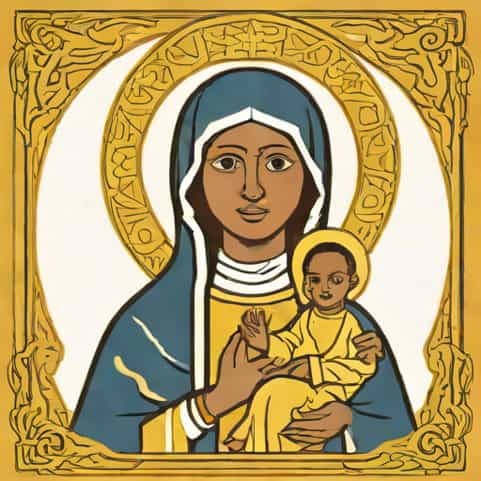
Devotion to Our Lady, Patroness of Nigeria, holds a special place in the hearts of many faithful across the nation. As a country with deep spiritual traditions and a strong Catholic presence, the role of Mary, the Mother of God, has become a unifying figure for believers. The title emphasizes her role as a guiding light, a protector, and a source of hope for Nigerians in their daily struggles and in their aspirations for peace and unity. This devotion blends faith, culture, and national identity, making it a unique expression of spirituality in Nigeria.
The Meaning of Our Lady Patroness of Nigeria
When Catholics in Nigeria call Mary their Patroness, it signifies more than religious symbolism. It is a recognition of her maternal role over the nation, a spiritual guardianship believed to extend beyond individuals to communities, institutions, and the entire country. As Patroness, she is honored as the one who intercedes for Nigeria, guiding its leaders and people toward justice, love, and peace.
The Historical Background
The roots of Marian devotion in Nigeria can be traced back to the arrival of Christian missionaries. These missionaries not only introduced the Catholic faith but also brought with them a deep reverence for the Virgin Mary. Over time, as the faith took deeper roots in Nigerian soil, local expressions of Marian devotion emerged. The designation of Mary as Patroness of Nigeria eventually became part of the national Catholic identity, especially during times of challenges such as political unrest or social change.
A Symbol of Unity and Faith
Nigeria is a diverse country with hundreds of ethnic groups and multiple religions. In such diversity, Our Lady Patroness of Nigeria serves as a symbol of unity. Her figure transcends cultural differences, reminding Catholics and other Christians that faith can bridge divides. Many national celebrations, prayer gatherings, and Marian processions across Nigeria emphasize her importance in bringing people together under a common spiritual banner.
Feast Day and Celebrations
Honoring Our Lady Patroness of Nigeria often involves special liturgical events and community celebrations. On her feast day, churches across the country organize Masses, processions, and devotional prayers. These events are marked by singing, dancing, and heartfelt petitions, reflecting the vibrant faith culture of Nigeria. For many believers, participating in these activities is a way to express gratitude for protection and to ask for continued blessings upon their families and the nation.
- Special Masses held in cathedrals and parishes
- Public processions with hymns and Marian prayers
- Cultural expressions such as traditional dances and local music
- Charitable activities inspired by Marian devotion
Our Lady and the Nigerian Family
The image of Our Lady as Patroness resonates strongly with Nigerian families. In many homes, Marian statues, pictures, or rosaries are part of daily prayer life. Families often dedicate prayers to her, asking for guidance in raising children, strength in times of hardship, and blessings for their work. She is seen as a motherly figure who understands the challenges of Nigerian society and intercedes on behalf of the faithful.
Marian Shrines in Nigeria
There are several Marian shrines across the country where pilgrims gather to honor Our Lady. These sacred spaces are often destinations for retreats, novenas, and national pilgrimages. The shrines play an important role in sustaining devotion, offering believers a place of reflection, peace, and spiritual renewal. They also strengthen the sense of community among Catholics from different regions of Nigeria.
Spiritual Significance in Daily Life
Our Lady Patroness of Nigeria is not only celebrated on feast days but also plays a role in the everyday life of the faithful. Believers turn to her in times of sickness, uncertainty, or conflict. Many see her as a comforting presence during personal trials and as a beacon of hope for the country’s development. Her patronage encourages Nigerians to live with compassion, patience, and trust in God’s providence.
A Source of Hope in Challenging Times
Nigeria faces social and economic challenges, from poverty to insecurity. In these circumstances, devotion to Our Lady becomes a source of hope. Prayers to her often focus on asking for peace in conflict zones, healing for those affected by violence, and courage for leaders to make just decisions. This deep reliance on her intercession shows how faith and daily reality intersect in the Nigerian experience.
Cultural Expressions of Devotion
Marian devotion in Nigeria is not limited to church rituals. Cultural practices also reflect this strong connection. Music, art, and literature frequently include references to Our Lady Patroness of Nigeria. Choirs compose hymns dedicated to her, local artists create paintings and sculptures, and writers explore her role in Nigerian spirituality. These cultural forms make her presence even more visible and accessible to the people.
- Hymns sung in multiple Nigerian languages
- Traditional art forms depicting Marian imagery
- Storytelling and oral traditions that honor her role
- Youth groups promoting Marian devotion through drama and music
Our Lady and National Identity
For many Nigerians, the title of Mary as Patroness is also tied to national identity. She represents the nation’s resilience, its faith in God, and its hope for a better future. Just as Nigeria strives for unity amid diversity, Our Lady embodies the nurturing love that binds people together. Her role as Patroness is both spiritual and symbolic, linking the story of the Church with the story of the nation itself.
The Role of the Rosary
The rosary is a key expression of Marian devotion in Nigeria. Families, parishes, and communities often gather to pray the rosary together, especially in times of crisis. This devotion reinforces the idea of Our Lady as a mother who listens and responds. The widespread use of the rosary highlights the deep integration of Marian spirituality in the daily lives of Nigerian Catholics.
Looking Toward the Future
The devotion to Our Lady Patroness of Nigeria continues to grow, especially among young people. With increased participation in pilgrimages, youth movements, and Marian societies, a new generation is embracing this devotion. It suggests a hopeful future where faith remains a cornerstone of Nigerian society. The role of Our Lady as Patroness will likely remain central in inspiring unity, compassion, and national renewal.
Our Lady Patroness of Nigeria stands as a powerful symbol of faith, unity, and maternal care. She is honored in churches, homes, and cultural expressions across the nation, guiding people toward hope and peace. As Nigeria continues to face challenges and pursue growth, devotion to her remains a reminder of the strength found in faith and the enduring love of a mother for her children. Through her patronage, Nigerians find not only spiritual comfort but also a shared sense of identity and direction for the future.