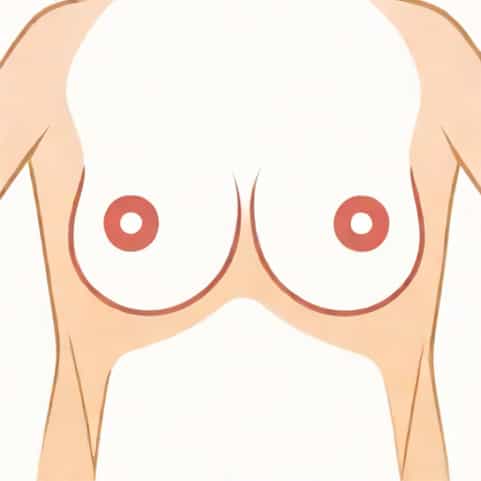
Re excision of breast margins is a surgical procedure often performed following breast-conserving surgery, such as a lumpectomy, when pathology reports indicate that cancerous cells are present at or near the edges of the removed tissue. Achieving clear margins is crucial in breast cancer treatment to minimize the risk of recurrence and ensure that all malignant tissue has been successfully excised. The decision to perform a re excision is based on careful assessment of initial surgical margins, tumor characteristics, and patient-specific factors, making it a key step in comprehensive breast cancer management.
Understanding Breast Margins
In the context of breast surgery, margins refer to the edges of the tissue removed during a lumpectomy or partial mastectomy. Pathologists examine these margins microscopically to determine whether cancer cells are present. Margins can be classified as
- Negative (Clear) MarginsNo cancer cells are found at the edges, suggesting that all malignant tissue has been removed.
- Positive MarginsCancer cells are detected at the tissue edges, indicating that some malignant tissue may remain.
- Close MarginsCancer cells are very near the edge, which may warrant additional surgical intervention.
Clear margins are the goal of breast-conserving surgery because they reduce the likelihood of local recurrence. When margins are positive or close, re excision of breast margins is often recommended to remove any remaining cancerous tissue.
Indications for Re Excision
Re excision of breast margins is generally indicated when pathology reports reveal that the initial surgery did not achieve adequate clear margins. Factors influencing this decision include
- Presence of invasive carcinoma or ductal carcinoma in situ (DCIS) at the margin.
- Close margins that increase the risk of local recurrence.
- Patient preference and overall treatment plan, including the consideration of radiation therapy.
- Location and size of the tumor relative to the breast tissue.
Surgeons weigh these factors carefully to balance complete cancer removal with optimal cosmetic outcomes. Re excision can be performed immediately following the initial surgery or as a separate procedure after final pathology results are available.
Procedure and Techniques
Re excision of breast margins involves removing additional tissue surrounding the previous surgical site. The procedure may vary depending on the tumor location, breast size, and previous surgical approach. Key steps typically include
- Review of pathology reports and imaging studies to identify areas requiring additional excision.
- Planning the incision to access the previously operated site while preserving breast shape.
- Careful removal of tissue from the targeted margins, ensuring adequate depth and breadth.
- Sending the excised tissue for pathological analysis to confirm negative margins.
In some cases, oncoplastic techniques may be employed to maintain the aesthetic appearance of the breast. These approaches combine tumor removal with reconstructive methods to minimize deformity and optimize cosmetic outcomes.
Risks and Considerations
Like any surgical intervention, re excision of breast margins carries risks that patients should discuss with their healthcare team. Common considerations include
- Potential for infection, bleeding, or delayed wound healing.
- Changes in breast shape or size, which may require additional reconstructive procedures.
- Scarring or tissue fibrosis, especially with multiple surgeries.
- Emotional and psychological impact associated with additional surgical procedures.
Despite these risks, the benefits of achieving clear margins typically outweigh potential complications, as complete excision of malignant tissue is essential for reducing recurrence and improving long-term outcomes.
Postoperative Care and Recovery
Recovery after re excision of breast margins is generally similar to initial breast-conserving surgery. Patients are advised to
- Follow wound care instructions provided by the surgical team.
- Monitor for signs of infection or complications, such as redness, swelling, or unusual discharge.
- Gradually resume normal activities as recommended by the surgeon.
- Attend follow-up appointments to review pathology results and plan any additional treatments, such as radiation or chemotherapy.
Pain management, physical therapy, and emotional support are integral components of recovery, helping patients achieve both physical healing and psychological well-being.
Impact on Overall Breast Cancer Management
Re excision of breast margins plays a critical role in comprehensive breast cancer treatment. By ensuring that all cancerous tissue is removed, the procedure reduces the risk of local recurrence and contributes to the effectiveness of adjuvant therapies. It also allows radiation therapy to target a well-defined area, increasing the likelihood of successful outcomes. Collaboration among surgeons, oncologists, radiologists, and pathologists is essential for achieving optimal results and minimizing the need for further interventions.
Alternatives and Complementary Approaches
In some situations, alternatives to re excision may be considered. These include
- Close monitoring with imaging and clinical follow-up in select cases of minimal residual disease.
- Radiation therapy as a standalone treatment when surgical excision is not feasible.
- Partial mastectomy or more extensive surgery in cases where re excision cannot achieve clear margins.
Decisions regarding the best approach depend on tumor biology, patient preferences, and overall treatment goals. Individualized planning ensures that patients receive care that balances oncologic safety with quality of life.
Re excision of breast margins is a critical procedure in the management of breast cancer, particularly following breast-conserving surgery. Achieving clear margins is essential to minimize recurrence risk and provide the foundation for effective adjuvant therapy. While the procedure carries potential risks and requires careful surgical planning, the benefits of complete cancer removal and improved long-term outcomes are substantial. Through a multidisciplinary approach, tailored surgical techniques, and comprehensive postoperative care, re excision of breast margins contributes significantly to the overall success of breast cancer treatment and enhances both oncologic and cosmetic results for patients.