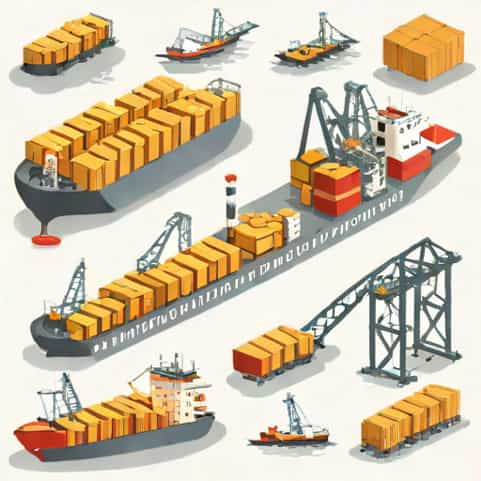
Global trade depends on smooth, efficient movement of goods, and many people encounter the term port of transshipment when dealing with shipping, logistics, or international commerce. The phrase may seem technical at first, but understanding it helps clarify how cargo travels across continents. A port of transshipment plays a major role in connecting trade routes, reducing transport costs, and ensuring that goods reach their final destinations. Because of its importance in economics, navigation, and supply chain planning, learning its meaning can be valuable for students, business owners, and anyone interested in global transport.
Port of Transshipment Meaning Explained
A port of transshipment is a port where goods are transferred from one vessel to another during their journey. Instead of moving directly from the origin to the destination, cargo often stops at an intermediate port. There, it is unloaded from one ship and reloaded onto another ship that continues the journey. This process is known as transshipment.
A transshipment port functions like a hub in a transportation network. It connects multiple shipping routes, allowing goods to switch vessels efficiently. This system helps shipping companies reduce costs and manage complex global routes more easily.
Why Ports of Transshipment Are Important
In modern logistics, transshipment ports serve as essential links. They enable the global flow of cargo by bringing together routes that might not directly connect. Without these ports, many shipping routes would be slower, more expensive, or less practical.
Key Benefits of Transshipment Ports
- They make long-distance shipping faster and more flexible.
- They allow large ships to connect with smaller regional vessels.
- They reduce transportation costs by consolidating cargo from many origins.
- They help companies optimize routes based on demand and port capacity.
These advantages show how essential transshipment hubs are for global trade efficiency.
How Transshipment Works in Practice
The process might look complicated from the outside, but it follows a clear and organized system designed to keep cargo secure and on schedule. Transshipment typically involves coordination between carriers, port authorities, terminal operators, and customs officials.
Main Steps in the Transshipment Process
- Cargo arrives at the port on a vessel.
- Containers or goods are unloaded and placed in a designated area.
- Port workers prepare the cargo for its next vessel.
- Goods are reloaded onto another ship that continues to the next destination.
Throughout the process, documentation and tracking systems ensure that cargo remains identifiable and properly managed.
Types of Ports of Transshipment
Not all transshipment ports are the same. They vary based on location, purpose, and the volume of cargo they handle. Understanding these types helps clarify why certain ports play bigger roles than others in global trade.
Major Transshipment Ports
- Ports located near key shipping lanes
- Ports with large container terminals
- Ports with deep waters that can handle giant vessels
- Ports designed to serve as regional distribution hubs
Some ports specialize in container cargo, while others handle bulk goods or specialized shipments.
Why Cargo Is Not Always Shipped Directly
Many people wonder why goods cannot simply travel in a straight line from the manufacturer to the final buyer. In reality, direct shipping is often not possible because of economic, geographic, or logistical limitations.
Reasons for Choosing Transshipment
- Direct connections between ports may not exist.
- Smaller ports cannot accommodate large vessels.
- Transshipment allows companies to combine cargo from different locations.
- Weather or seasonal demand may affect route availability.
Transshipment gives carriers the flexibility to adapt to changing conditions while keeping costs under control.
Impact on Global Supply Chains
Because global trade relies on timely transportation, the role of transshipment ports becomes crucial whenever supply chains face challenges. Delays or congestion at these ports can affect shipments worldwide, making the understanding of their function even more important.
Effects on Supply Chain Performance
- Faster distribution through strategic routing
- Lower overall shipping costs
- Better coordination between international carriers
- Improved access to multiple regional markets
Businesses often choose suppliers or shipping partners based on the reliability of transshipment ports along the trade route.
Challenges Faced by Transshipment Ports
While these ports offer many advantages, they also face challenges that must be managed carefully. Ports must balance efficiency, safety, environmental standards, and economic growth to remain competitive in global trade.
Common Challenges
- Congestion during peak seasons
- High operational costs for container handling
- Infrastructure limitations in older ports
- Weather disruptions that affect shipping schedules
- Security concerns surrounding large cargo volumes
Despite these challenges, improvements in automation, digital tracking, and port expansion help keep operations smooth.
How Technology Supports Transshipment
Technology plays a major role in improving the speed and accuracy of cargo movement at transshipment ports. New systems allow ports to operate more safely and reliably while handling large volumes of goods.
Technologies Used in Modern Ports
- Automated container cranes
- Real-time cargo tracking systems
- Digital customs clearance platforms
- Artificial intelligence for route planning
- Smart sensors for monitoring cargo conditions
These innovations help ports maintain strong performance and reduce delays.
Economic Significance of Transshipment Ports
Beyond logistics, ports of transshipment contribute significantly to local and national economies. They create jobs, support related industries, and increase a country’s role in global trade networks.
Economic Advantages
- Employment in shipping, logistics, and port operations
- Growth of nearby industrial and warehouse zones
- Increase in foreign investment
- Improved competitiveness for regional exporters
Because of these benefits, many countries invest heavily in developing large-scale transshipment hubs.
Difference Between a Transshipment Port and a Regular Port
All ports handle cargo, but not all ports function as transshipment hubs. Understanding the difference helps clarify why some ports become global super-connectors while others remain locally focused.
Main Differences
- A regular port usually handles imports and exports for its own region.
- A transshipment port focuses on transferring cargo between vessels.
- Transshipment hubs handle much larger volumes and more diverse routes.
- Special equipment and deep water are often required for transshipment ports.
This distinction explains why only certain ports are known internationally in the shipping world.
A port of transshipment is an essential component of global trade, serving as a strategic connection point where goods move from one vessel to another. Its role supports efficient shipping routes, reduces transportation costs, and enables smooth access to global markets. Understanding the meaning and importance of transshipment helps clarify how international logistics operate. Whether you work in business, logistics, or simply want to expand your vocabulary, knowing how these ports function deepens your understanding of the worldwide supply chain and the movement of goods across continents.