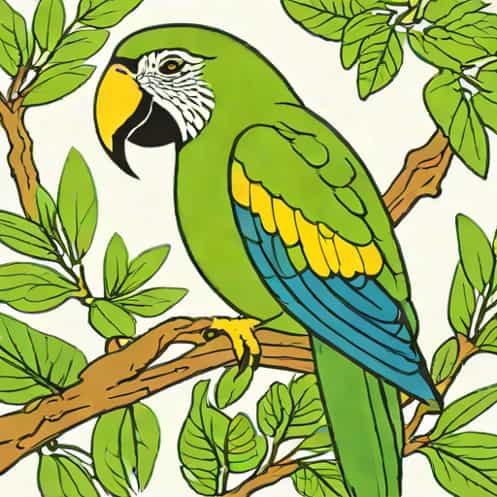
High in the misty mountains of New Zealand lives one of the world’s most fascinating and intelligent birds the gregarious New Zealand parrot known as the kea. Famous for its curiosity, playfulness, and mischievous personality, the kea has captured the hearts of locals and travelers alike. This remarkable parrot species thrives in alpine environments where few other birds can survive. Its social nature, adaptability, and complex behavior make it a true symbol of the wild and unpredictable beauty of New Zealand’s natural world.
The Unique Habitat of the Kea
The kea (Nestor notabilis) is found mainly in the South Island of New Zealand, especially in alpine and subalpine regions. Unlike most parrots that live in tropical forests, this bird has adapted to life in cold, mountainous areas. It can often be seen gliding between snow-capped peaks, exploring valleys, and foraging near ski resorts or hiking trails.
Kea prefer habitats above the tree line, where they nest in crevices, under rocks, or among twisted alpine plants. In winter, they sometimes move to lower altitudes to find food, especially when the snow becomes too deep in their usual feeding areas. Their resilience to harsh weather conditions and their resourcefulness make them one of the most remarkable avian species in the Southern Hemisphere.
Physical Characteristics
At first glance, the kea might not look as vibrant as other parrots, but a closer look reveals its striking beauty. Its feathers are olive-green with dark edging, blending perfectly with the mountainous terrain. When it spreads its wings, flashes of bright orange and scarlet appear, contrasting vividly against the green. These colors serve both as camouflage and as a display signal to other kea.
An adult kea typically measures around 48 centimeters in length and weighs between 800 and 1000 grams. Its strong, curved beak is perfectly designed for digging, tearing, and exploring objects a tool that reflects both its intelligence and its adaptability. The parrot’s large, dark eyes convey a sense of curiosity and alertness that defines its personality.
Behavior and Social Nature
The kea is known for being highly social and intelligent. These gregarious parrots often live in flocks and interact constantly through play and communication. They use a variety of calls, whistles, and screeches to keep in contact, warn of danger, or simply express excitement. Observers often describe them as clowns of the mountains due to their playful behavior.
Play is not just for fun it helps kea develop problem-solving skills and social bonds. They have been observed sliding down snowbanks, tossing objects to each other, and even using tools. Such behavior demonstrates advanced cognitive abilities comparable to those of primates. Their curiosity often leads them to interact with human environments, sometimes causing mischief by pulling apart tents, car antennas, or backpacks.
Diet and Feeding Habits
The kea is an omnivore with a highly varied diet. In the wild, it feeds on roots, berries, leaves, nectar, and insects. It is also known to scavenge animal carcasses or forage for food scraps left by humans. This flexibility allows it to survive in the unpredictable alpine ecosystem, where food sources change with the seasons.
During summer, kea can be seen feeding on alpine plants and fruits, while in winter they rely more on insects or small animals. Their strong beaks enable them to crack open tough plants or dig through soil to uncover grubs. Unfortunately, their opportunistic feeding habits sometimes lead them into conflict with humans, especially when they raid rubbish bins or picnic areas.
Intelligence and Problem-Solving Skills
One of the most fascinating traits of the gregarious New Zealand parrot is its intelligence. Studies have shown that kea possess advanced cognitive abilities, including the capacity to solve puzzles, use logic, and work cooperatively. In laboratory experiments, kea have learned to pull strings, move levers, and even collaborate with other birds to reach food rewards.
Their problem-solving nature helps them adapt to challenges in the wild, such as finding food in difficult conditions or evading predators. However, their cleverness can also cause trouble, as they are notorious for dismantling equipment and damaging cars in tourist areas. Their behavior reflects a high level of curiosity and experimentation a sign of both playfulness and intelligence.
Breeding and Family Life
Kea typically breed during the southern hemisphere’s spring and summer months, from July to January. They form monogamous pairs, with both parents contributing to the care of their young. Nests are usually built in burrows, under rocks, or in hollow logs. The female lays two to five eggs, which she incubates for about a month while the male brings her food.
After hatching, chicks remain in the nest for up to 13 weeks before fledging. During this period, they are cared for by both parents and sometimes even by other members of the flock. This cooperative behavior shows the species’ strong social structure and reinforces the bonds that keep kea communities thriving in challenging environments.
Threats and Conservation Efforts
Despite their adaptability, kea face several threats in the wild. Habitat loss, introduced predators such as stoats and possums, and human conflicts have all affected their population. In the past, kea were even hunted because they were believed to attack livestock, although this behavior was largely exaggerated.
Today, the kea is listed as an endangered species. Conservation groups in New Zealand are working to protect its habitat, reduce predator numbers, and educate the public about coexistence with these intelligent birds. Some regions have established special feeding sites and monitoring programs to study kea populations and ensure their survival.
Tourists are encouraged not to feed kea, as human food can harm them and change their natural behavior. Instead, conservationists promote responsible wildlife interaction to help these parrots maintain their wild instincts and independence.
Relationship Between Kea and Humans
The relationship between humans and kea is complex and ever-evolving. Many people admire the birds for their intelligence and playful antics, while others find them troublesome for their habit of damaging property. However, most New Zealanders view the kea as a national treasure a living symbol of the country’s rugged and untamed wilderness.
Kea often approach hikers or campers without fear, inspecting bags and equipment out of sheer curiosity. Their fearlessness and humor have made them a favorite subject of photographers and nature enthusiasts. In Maori culture, the kea is sometimes seen as a messenger or guardian of the mountains, representing wisdom and adaptability.
Interesting Facts About the Gregarious New Zealand Parrot
- Kea are the only alpine parrot species in the world.
- They can live up to 20 years in the wild, and even longer in captivity.
- Kea are known to recognize individual humans and remember faces.
- They have more than a dozen distinct calls used for communication.
- Their Latin name,Nestor notabilis, means remarkable parrot.
Why Kea Are Important to the Ecosystem
Kea play a crucial role in New Zealand’s alpine ecosystem. As foragers, they help disperse seeds and control insect populations. Their digging behavior aerates the soil, benefiting plant growth. Moreover, their intelligence and curiosity contribute to ecological balance by influencing how they interact with other species.
By studying kea behavior, scientists gain valuable insights into animal intelligence and social evolution. Understanding how these parrots think and cooperate provides clues about the development of problem-solving abilities in other species, including humans.
The gregarious New Zealand parrot, or kea, stands as one of nature’s most extraordinary birds. Its playful behavior, intelligence, and adaptability make it a true marvel of evolution. Living among the snow-covered peaks of New Zealand, the kea reminds us of the beauty and complexity of life in the wild. As conservation efforts continue, there is hope that future generations will still hear the kea’s joyful calls echoing across the mountains. Protecting this remarkable parrot means preserving not only a unique species but also the spirit of curiosity and freedom that defines New Zealand’s natural heritage.