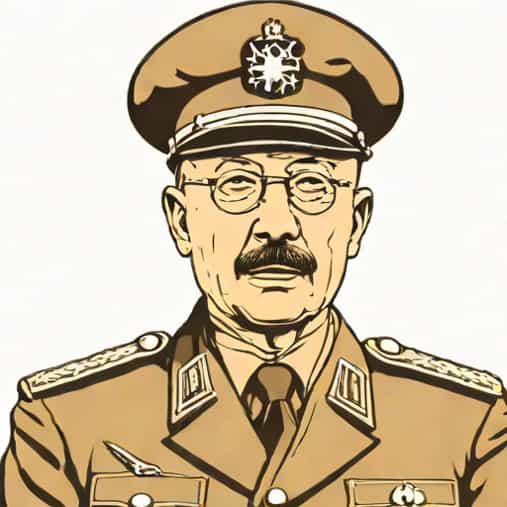
Heinrich Himmler remains one of the most infamous figures in modern history, primarily known for his pivotal role in the Nazi regime during World War II. His image, often captured in photographs and portraits, has become emblematic of the horrors perpetrated under his authority. A picture of Heinrich Himmler typically depicts a stern and calculating figure, often in the uniform of the SS, reflecting both his bureaucratic efficiency and his ideological fanaticism. Understanding the historical context behind these images is crucial for comprehending the scale of his influence and the atrocities committed under his command.
Early Life and Rise to Power
Born on October 7, 1900, in Munich, Germany, Heinrich Himmler grew up in a middle-class family with a strict upbringing. He was initially drawn to agrarian ideals and the German youth movement, which shaped his nationalist and anti-Semitic views. Himmler joined the Nazi Party in 1923, and over time, he ascended through the ranks due to his organizational skills and unwavering loyalty to Adolf Hitler. By 1929, he became the leader of the Schutzstaffel (SS), which he transformed from a small paramilitary unit into one of the most powerful organizations within the Third Reich.
Photographs and Public Image
Images of Himmler often show him in a neatly pressed SS uniform, adorned with symbols of rank and authority. These pictures were carefully staged to project an image of control, discipline, and ideological commitment. Himmler’s facial expressions in photographs usually appear stern and unsmiling, reinforcing the perception of his cold and methodical nature. For historians, these images provide insight into how Himmler wanted to be perceived by both the German public and his subordinates, emphasizing order and loyalty as central tenets of his leadership.
Role in the Nazi Regime
Heinrich Himmler was a central figure in the implementation of some of the most brutal policies of the Nazi regime. As head of the SS and the Gestapo, he oversaw the enforcement of Nazi ideology, including the persecution of Jews, Romani people, and political dissidents. Himmler was instrumental in orchestrating the Holocaust, establishing concentration camps and directing mass extermination operations. Photographs of Himmler visiting concentration camps or overseeing SS activities illustrate the terrifying efficiency with which he executed these policies, providing visual documentation of his active role in state-sponsored atrocities.
Key Responsibilities
- Leadership of the SS, transforming it into a powerful paramilitary organization.
- Oversight of the Gestapo, ensuring enforcement of Nazi policies across Germany.
- Planning and coordination of the Holocaust, including concentration and extermination camps.
- Administration of occupied territories, implementing racial and political policies.
Historical Significance of Himmler’s Images
A picture of Heinrich Himmler serves as more than just a portrait; it is a historical artifact that provides insight into the structure, symbolism, and ideology of the Nazi regime. Photographs were used as propaganda to portray Himmler as a figure of authority and unwavering commitment to Nazi ideals. They also serve as critical evidence for historians studying the mechanisms of power, the role of individuals in systemic atrocities, and the visual culture of totalitarian regimes. Through these images, researchers can better understand both the man and the institution he represented.
Propaganda and Media
- Official photographs were widely circulated to solidify Himmler’s public persona.
- Images emphasized discipline, loyalty, and ideological purity within the SS.
- Media portrayals reinforced the perception of the Nazi hierarchy as organized and unyielding.
- Photographs also served to intimidate enemies and reinforce the regime’s authority.
Controversies Surrounding Himmler’s Images
While historical photographs are invaluable for research, they also present challenges. Many images of Himmler were staged to create a particular narrative, often obscuring the brutal realities of his actions. The carefully controlled nature of these images has led to debates among historians about the extent to which public perception of Himmler aligns with his true character. Nevertheless, even staged images cannot fully mask the atrocities he orchestrated, and each photograph remains a powerful reminder of the human capacity for organized cruelty.
Ethical Considerations in Viewing Himmler’s Pictures
- Images of Himmler must be approached with awareness of the atrocities he committed.
- They serve as educational tools to prevent revisionism and denial of historical events.
- Historians and educators often contextualize these pictures to emphasize the human cost of Nazi policies.
- Such images are used in museums and academic settings to study totalitarianism and genocide.
Legacy and Reflection
Heinrich Himmler’s legacy is one of infamy, and a picture of him continues to evoke strong emotional responses. These images document a figure whose meticulous organization and ideological zeal contributed to one of the darkest chapters in human history. By studying these pictures and their context, society can better understand the dangers of unchecked power, authoritarianism, and ideological extremism. They serve as a visual record, reminding future generations of the consequences of hate and intolerance.
A picture of Heinrich Himmler is more than a historical curiosity; it is a potent symbol of the horrors perpetrated by the Nazi regime. Through his images, one can study not only the man himself but also the broader machinery of oppression and genocide he controlled. These photographs provide insight into the use of visual propaganda, the nature of totalitarian authority, and the enduring importance of remembering history. Understanding the context and implications of Himmler’s images helps ensure that the lessons of the past remain relevant for future generations, reinforcing the necessity of vigilance against tyranny and extremism.