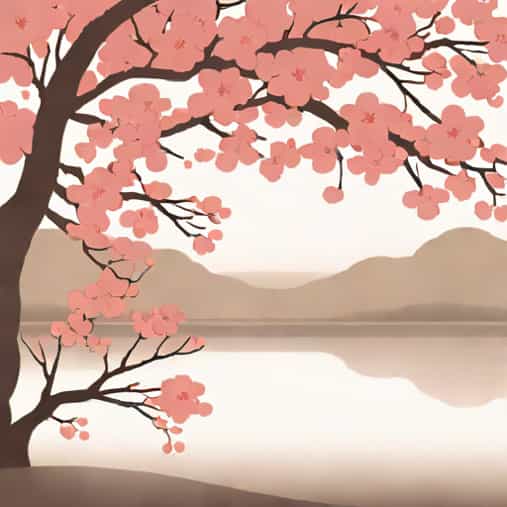
The Cherry Blossom Festival is one of the most celebrated cultural events in the world, attracting millions of visitors each year who come to witness the breathtaking beauty of cherry trees in full bloom. This festival is more than just a display of stunning pink and white flowers; it is a celebration of spring, renewal, and the deep cultural significance that cherry blossoms hold in many societies. From parades and traditional performances to food stalls and art exhibits, the Cherry Blossom Festival offers a unique blend of natural beauty, cultural heritage, and community festivities that captivate both locals and tourists alike.
History of the Cherry Blossom Festival
The origins of the Cherry Blossom Festival can be traced back to Japan, where the blooming of cherry trees, or sakura, has been celebrated for centuries. Traditionally, these festivals marked the arrival of spring and symbolized the fleeting nature of life, beauty, and renewal. Cherry blossoms were admired in poetry, art, and rituals, and the practice of hanami, or flower viewing, became a cherished cultural tradition. Over time, the celebration of cherry blossoms spread to other countries, including the United States, South Korea, and Canada, where local communities have embraced the festival with their own unique customs and events.
Cherry Blossoms in Japan
In Japan, cherry blossoms bloom across the country at slightly different times depending on the region. The festival typically involves picnicking under the blooming trees, participating in traditional music and dance performances, and enjoying seasonal foods and beverages. The sakura season is a major highlight of the Japanese calendar, and millions of people travel specifically to witness the spectacular flowering. The transient nature of cherry blossoms also serves as a reminder of the impermanence of life, a concept deeply rooted in Japanese philosophy and aesthetics.
Cherry Blossom Festivals Around the World
While Japan is the birthplace of the cherry blossom celebration, festivals inspired by this tradition can now be found in various countries around the globe. These festivals often combine local customs with traditional Japanese elements, creating a unique cultural experience for attendees.
United States
The National Cherry Blossom Festival in Washington, D.C., is perhaps the most famous outside of Japan. It commemorates the 1912 gift of 3,000 cherry trees from the Mayor of Tokyo to the city of Washington as a symbol of friendship between Japan and the United States. The festival spans several weeks and includes parades, cultural performances, art exhibitions, and food fairs. The sight of the Tidal Basin lined with blooming cherry trees is an iconic image that draws photographers and tourists from all over the world.
South Korea
In South Korea, cherry blossom festivals are held in multiple cities, including Seoul, Jinhae, and Gyeongju. The Jinhae Gunhangje Festival is particularly famous, attracting hundreds of thousands of visitors each year. The festival features not only the stunning cherry trees but also naval parades, concerts, and local food markets. Similar to Japan, cherry blossoms in Korea are associated with beauty, renewal, and the transient nature of life.
Canada
Vancouver, British Columbia, hosts its own cherry blossom festival, celebrating the city’s diverse communities and natural beauty. The Vancouver Cherry Blossom Festival includes guided tree walks, musical performances, and art installations, providing both educational and recreational experiences for visitors. The festival also emphasizes environmental awareness and the importance of urban greenery, making it a celebration of both culture and sustainability.
Cultural Significance of Cherry Blossoms
Cherry blossoms carry profound cultural meanings in different societies. In Japan, they symbolize the ephemeral nature of life, reflecting the philosophical concept of mono no aware, which acknowledges the beauty and impermanence of existence. In the United States, the cherry blossom represents friendship and international cooperation. In many cultures, the blooming season is a time for family gatherings, community celebrations, and personal reflection, making the festival both a public and deeply personal experience.
Symbolism in Art and Literature
Cherry blossoms have inspired countless works of art, literature, and poetry. Artists often depict sakura in paintings and prints, emphasizing their delicate beauty and the fleeting nature of their bloom. Poets use cherry blossoms as metaphors for life’s transience, the passage of time, and the cycles of renewal. During festivals, performances and exhibitions often incorporate these symbolic meanings, blending visual, literary, and performing arts into a cohesive cultural experience.
Events and Activities at the Cherry Blossom Festival
The Cherry Blossom Festival is not just about observing flowers; it is an immersive cultural experience. Visitors can enjoy a wide range of activities that celebrate both nature and human creativity.
Parades and Performances
- Traditional dance and music performances showcase local and Japanese cultural heritage.
- Colorful parades featuring floats, costumes, and martial arts demonstrations create a festive atmosphere.
- Street performances and live concerts provide entertainment for all ages.
Food and Markets
- Seasonal treats like sakura-flavored desserts, teas, and beverages are commonly available.
- Food stalls and markets offer local and international cuisine, allowing visitors to explore culinary traditions.
- Craft markets feature handmade goods, artwork, and festival memorabilia for attendees to purchase.
Educational and Interactive Activities
- Guided tree walks and nature tours provide insights into cherry blossom biology and history.
- Workshops on traditional crafts, calligraphy, and flower arranging engage participants creatively.
- Lectures and exhibitions offer educational content on the cultural and ecological significance of cherry blossoms.
Planning Your Visit
Attending the Cherry Blossom Festival requires some planning to maximize the experience. Because the bloom period is relatively short, timing your visit is crucial. Checking local bloom forecasts and festival schedules helps ensure that visitors catch the peak flowering period. Comfortable clothing, walking shoes, and photography equipment are recommended, as festival areas often involve significant outdoor exploration. Additionally, participating in guided tours or attending scheduled events can enhance understanding and enjoyment of the festival.
Best Time to Attend
The timing of cherry blossom blooms varies depending on geographic location and climate conditions. In Japan, festivals typically occur between late March and early April, while in Washington, D.C., the peak bloom usually happens in early April. Checking official festival websites and local bloom reports is the best way to plan a visit.
Tips for Enjoying the Festival
- Arrive early to avoid crowds and secure the best viewing spots.
- Participate in both daytime and evening events, as illuminated cherry blossoms provide a magical experience at night.
- Take part in cultural activities to gain a deeper appreciation for the traditions associated with cherry blossoms.
- Respect local customs and environmental guidelines to preserve the beauty and safety of festival areas.
The Cherry Blossom Festival is a vibrant celebration of nature, culture, and community. Whether in Japan, the United States, South Korea, or Canada, the festival offers a unique opportunity to witness the ephemeral beauty of cherry blossoms while engaging in cultural traditions, enjoying local cuisine, and participating in community events. With its rich history, symbolic meanings, and diverse activities, the Cherry Blossom Festival is more than just a seasonal event—it is a global celebration of renewal, friendship, and the fleeting beauty of life itself. Attending this festival allows visitors to connect with nature, experience cultural heritage, and create lasting memories, making it a cherished event for people of all ages and backgrounds.