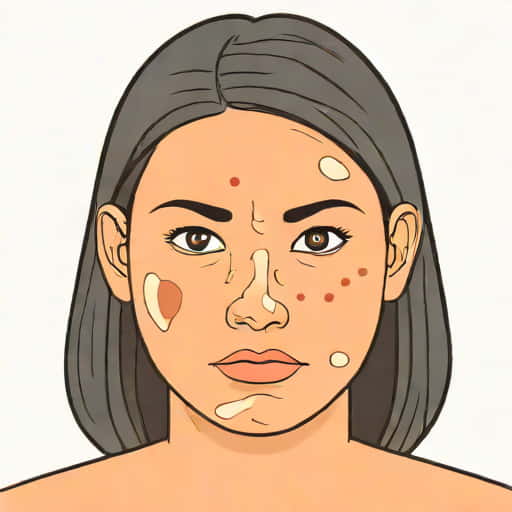
Acne and seborrhea are common skin conditions that affect millions of people worldwide, and they are often caused by underlying problems with the skin’s sebaceous glands and hormonal balance. Both conditions involve excessive oil production, inflammation, and sometimes bacterial activity, which can result in visible blemishes, redness, and discomfort. Understanding the root causes of acne and seborrhea, including genetic factors, hormonal changes, and lifestyle influences, is essential for effective treatment and prevention. While these conditions are not life-threatening, they can have significant psychological and social impacts, making awareness and proper care important.
Understanding Acne
Acne is a multifactorial skin condition that occurs when hair follicles become clogged with sebum, dead skin cells, and bacteria. This blockage leads to inflammation and the formation of pimples, blackheads, whiteheads, or cysts. Acne is most commonly seen on the face, back, and chest, areas that have a high density of sebaceous glands. It affects adolescents, young adults, and sometimes adults in their 30s and 40s, largely due to hormonal fluctuations and other physiological factors.
Causes of Acne
Several factors contribute to the development of acne, often working together
- Excess Sebum ProductionOveractive sebaceous glands produce more oil than necessary, which can clog pores and create an environment conducive to acne.
- Hormonal ImbalancesAndrogens, the male hormones present in both males and females, can increase during puberty, menstrual cycles, pregnancy, or stress, stimulating the sebaceous glands.
- Bacterial GrowthCutibacterium acnes (formerly Propionibacterium acnes) is a bacteria that thrives in clogged pores and contributes to inflammation.
- InflammationThe immune system responds to clogged pores and bacterial activity, leading to redness, swelling, and discomfort associated with acne lesions.
- Genetic PredispositionFamily history can influence susceptibility to acne, as genetic factors can affect sebaceous gland activity and skin sensitivity.
Understanding Seborrhea
Seborrhea, also known as seborrheic dermatitis when it becomes inflamed, is a skin condition that results in oily, flaky, and sometimes itchy patches on areas rich in sebaceous glands such as the scalp, face, and upper chest. While it shares some features with acne, such as excessive oil production, seborrhea is often more chronic and associated with fungal activity or skin barrier dysfunction.
Causes of Seborrhea
Seborrhea is caused by a combination of internal and external factors
- Overactive Sebaceous GlandsLike acne, seborrhea is driven by excess oil production, which can cause skin irritation and flakiness.
- Malassezia YeastThis naturally occurring fungus on the skin can overgrow when oil levels are high, leading to inflammation and scaling.
- Hormonal ChangesHormones play a role in stimulating oil production, which can trigger or worsen seborrhea.
- Environmental FactorsCold weather, stress, and certain skincare products can aggravate seborrhea symptoms.
- Immune System ResponseAn overactive or imbalanced immune response to yeast or other irritants can worsen inflammation and flaking.
The Connection Between Acne and Seborrhea
Both acne and seborrhea are closely linked through sebaceous gland activity. Overproduction of sebum not only clogs pores in acne but also creates an environment where yeast can thrive in seborrhea. Hormonal changes affect both conditions, which is why they often occur simultaneously during puberty, pregnancy, or periods of high stress. Recognizing the overlap in causes helps dermatologists develop effective treatments that target oil production, inflammation, and microbial balance.
Shared Risk Factors
- Puberty Increased androgens stimulate sebaceous glands, leading to both acne and seborrhea.
- Stress Stress hormones can trigger oil overproduction and exacerbate inflammatory responses.
- Genetics Family history influences susceptibility to oily skin and inflammatory skin conditions.
- Diet High-glycemic diets and dairy consumption may worsen acne and influence seborrheic skin conditions.
Symptoms and Identification
Identifying whether you are dealing with acne, seborrhea, or a combination of both requires recognizing specific symptoms
Acne Symptoms
- Pimples, blackheads, whiteheads, or cysts on the face, back, or chest.
- Redness and inflammation around affected areas.
- Occasional pain or tenderness in cystic acne.
- Oily skin texture in affected regions.
Seborrhea Symptoms
- Oily, greasy patches of skin.
- Flaky, white or yellow scales on the scalp, eyebrows, or nasolabial folds.
- Itchiness or mild burning sensations in affected areas.
- Redness and irritation during flare-ups.
Treatment and Management
Effective management of acne and seborrhea involves targeting the underlying causes, reducing oil production, and controlling inflammation and microbial activity. Treatments vary depending on severity and individual skin type.
Acne Management
- Topical retinoids to unclog pores and promote skin cell turnover.
- Antibiotics or antibacterial creams to reduce bacterial growth and inflammation.
- Hormonal therapy for females to regulate androgen levels.
- Proper skincare routines including gentle cleansing and non-comedogenic moisturizers.
Seborrhea Management
- Medicated shampoos containing ketoconazole, selenium sulfide, or zinc pyrithione.
- Topical antifungal creams to reduce Malassezia overgrowth.
- Anti-inflammatory creams to manage redness and itching.
- Regular cleansing and avoidance of harsh skincare products that irritate the skin.
Lifestyle Adjustments
Lifestyle plays a key role in managing both acne and seborrhea. Maintaining a balanced diet, reducing stress, staying hydrated, and avoiding excessive oily or sugary foods can help control symptoms. Regular sleep and exercise also contribute to hormonal balance and overall skin health.
Acne and seborrhea are caused by problems with the sebaceous glands, hormonal imbalances, and sometimes microbial overgrowth or immune responses. While these conditions differ in presentation, they share common underlying factors that make understanding oil production and skin inflammation essential for treatment. Effective management combines medical interventions, skincare routines, and lifestyle modifications to reduce symptoms and prevent flare-ups. By addressing the root causes and practicing consistent skin care, individuals can manage acne and seborrhea successfully, improving both skin health and self-confidence.