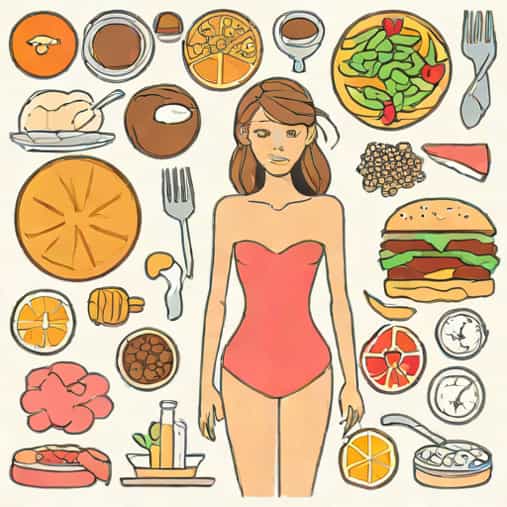
Anorexia and bulimia are types of disorders that affect the way people think about food, body image, and self-worth. These conditions are not simply about dieting or eating habits; they are serious mental health disorders that can have long-lasting effects on physical health, emotional well-being, and daily life. Many people misunderstand eating disorders, assuming they are a choice or a phase, when in reality they are complex conditions influenced by psychological, social, and biological factors.
Understanding Eating Disorders
Eating disorders are mental health conditions characterized by unhealthy relationships with food, weight, and body image. Among the most well-known are anorexia nervosa and bulimia nervosa. While they share some similarities, they are distinct disorders with different behaviors and risks.
Anorexia and bulimia are types of disorders that often develop during adolescence or young adulthood, but they can affect people of any age, gender, or background. Early recognition and understanding are important for reducing stigma and encouraging support.
What Is Anorexia Nervosa?
Anorexia nervosa is an eating disorder marked by intense fear of gaining weight and a distorted perception of body size. People with anorexia often see themselves as overweight even when they are underweight. This perception drives extreme behaviors aimed at controlling weight.
Individuals with anorexia may severely restrict food intake, skip meals, or follow rigid eating rules. Some may also engage in excessive exercise. Over time, these behaviors can lead to serious physical complications.
Common Characteristics of Anorexia
- Extreme restriction of food
- Intense fear of weight gain
- Distorted body image
- Excessive exercise
- Denial of the seriousness of low body weight
What Is Bulimia Nervosa?
Bulimia nervosa is another eating disorder that involves cycles of binge eating followed by compensatory behaviors. During a binge, a person consumes a large amount of food in a short period and feels a loss of control. This is often followed by actions to prevent weight gain.
These compensatory behaviors may include vomiting, misuse of laxatives, fasting, or excessive exercise. Unlike anorexia, individuals with bulimia may appear to have an average body weight, which can make the disorder harder to detect.
Common Characteristics of Bulimia
- Recurrent episodes of binge eating
- Feelings of guilt or shame after eating
- Purging behaviors or extreme exercise
- Preoccupation with body shape and weight
- Secrecy around eating habits
Key Differences Between Anorexia and Bulimia
Although anorexia and bulimia are types of disorders within the category of eating disorders, they differ in important ways. Anorexia is primarily associated with food restriction and significant weight loss, while bulimia involves binge-purge cycles.
Another difference lies in physical appearance. People with anorexia are often visibly underweight, whereas individuals with bulimia may maintain a weight that appears typical. Despite these differences, both disorders carry serious health risks.
Psychological Factors Behind Eating Disorders
Eating disorders are closely linked to mental and emotional factors. Low self-esteem, perfectionism, anxiety, and depression are commonly associated with anorexia and bulimia. Many individuals use food-related behaviors as a way to cope with emotional distress or a sense of lack of control.
Traumatic experiences, bullying, or pressure to meet certain standards can also contribute. Understanding these psychological roots helps explain why recovery involves more than changing eating habits.
Social and Cultural Influences
Social and cultural pressures play a significant role in the development of eating disorders. Media portrayals that idealize thinness and promote unrealistic body standards can negatively impact self-image. Social comparison, especially through social media, can intensify dissatisfaction with one’s appearance.
Anorexia and bulimia are types of disorders that often reflect deeper societal messages about success, beauty, and control. Recognizing these influences is important for prevention and awareness.
Physical Health Consequences
Both anorexia and bulimia can cause severe physical health problems. Prolonged food restriction can lead to nutrient deficiencies, weakened bones, heart issues, and hormonal imbalances. In extreme cases, anorexia can be life-threatening.
Bulimia can damage the digestive system, teeth, and throat due to repeated vomiting. Electrolyte imbalances caused by purging behaviors can affect heart function and overall health. These risks highlight why eating disorders require serious attention.
Emotional and Social Impact
The emotional toll of eating disorders is often overlooked. Individuals may experience isolation, shame, and guilt related to their behaviors. Relationships with family and friends can become strained due to secrecy or misunderstandings.
Anorexia and bulimia are types of disorders that can dominate a person’s thoughts, making it difficult to focus on work, school, or social activities. Over time, this can reduce quality of life and increase feelings of loneliness.
Diagnosis and Recognition
Diagnosing eating disorders involves evaluating both physical symptoms and psychological patterns. Healthcare professionals consider behaviors, thoughts, and emotional factors rather than weight alone. Early recognition improves the chances of recovery.
Warning signs may include drastic changes in eating habits, obsession with calories, frequent bathroom visits after meals, or noticeable changes in mood and energy levels.
Treatment and Recovery
Recovery from eating disorders is possible, but it often requires comprehensive support. Treatment typically involves a combination of psychological therapy, nutritional guidance, and medical monitoring. The goal is not only to restore physical health but also to address underlying emotional issues.
Anorexia and bulimia are types of disorders that do not have a one-size-fits-all solution. Each person’s recovery journey is unique, and progress may take time.
Reducing Stigma and Raising Awareness
Stigma remains a major barrier to seeking help. Misconceptions that eating disorders are about vanity or lack of willpower can prevent individuals from reaching out. Education and open conversations are essential for changing these attitudes.
By understanding that anorexia and bulimia are types of disorders rooted in mental health, society can create a more supportive environment for those affected.
Anorexia and bulimia are types of disorders that go far beyond food and weight. They are serious mental health conditions shaped by emotional struggles, social pressures, and biological factors. Both disorders can have profound effects on physical health, emotional well-being, and daily life.
Greater awareness, compassion, and understanding are key to supporting individuals affected by eating disorders. By recognizing the complexity of anorexia and bulimia, we take an important step toward reducing stigma and encouraging recovery.