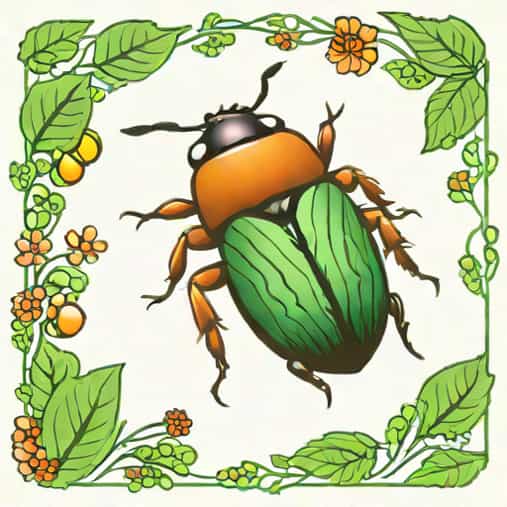
Japanese beetles are a common pest in gardens and landscapes across North America, notorious for their destructive feeding habits on plants, flowers, and crops. Homeowners, farmers, and gardeners often notice fluctuations in beetle populations and wonder if these insects follow cyclical patterns. Understanding whether Japanese beetles are cyclical is essential for effective pest management and predicting outbreaks in future seasons. This topic explores the biology, life cycle, population trends, and environmental factors that influence Japanese beetle activity.
Introduction to Japanese Beetles
Japanese beetles (Popillia japonica) are small, metallic-green insects with bronze wing covers, native to Japan but introduced to the United States in the early 20th century. They primarily feed on over 300 species of plants, including roses, grapes, linden trees, and fruit crops. Their voracious appetite makes them one of the most significant pests in North America, prompting extensive research on their life cycle and population dynamics.
Life Cycle of Japanese Beetles
Understanding the life cycle of Japanese beetles is crucial to recognizing any cyclical patterns. The beetles have a one-year life cycle consisting of four stages egg, larva (grub), pupa, and adult.
- Egg StageAdult females lay eggs in soil during mid to late summer. Eggs hatch in about two weeks, depending on soil temperature and moisture.
- Larval StageThe larvae, also called white grubs, feed on the roots of grasses and other plants through the fall and winter months. They overwinter in the soil, becoming active again in spring.
- Pupal StageIn late spring, the larvae pupate in the soil, emerging as adults in early summer.
- Adult StageAdult beetles feed on plant leaves and flowers for 4 to 6 weeks, mate, and the females lay eggs to start the cycle again.
This annual cycle indicates that Japanese beetle populations generally peak in mid-summer, when adults are active, and decline after egg-laying and adult mortality.
Population Fluctuations and Cyclic Behavior
Although Japanese beetles follow a predictable annual life cycle, their populations can exhibit apparent cyclical behavior over multiple years. Several factors contribute to fluctuations in beetle populations
- Environmental ConditionsTemperature, rainfall, and soil moisture significantly influence survival rates of larvae and adults. Harsh winters or prolonged drought can reduce populations, while favorable conditions can lead to population surges.
- Predators and Natural EnemiesBirds, parasitic wasps, nematodes, and certain fungi naturally control beetle populations. The effectiveness of these natural enemies can vary annually, contributing to population cycles.
- Food AvailabilityBeetles thrive when host plants are abundant and healthy. Poor plant availability or nutritional stress can reduce beetle survival and reproduction.
- Human Control MeasuresPesticide use, trapping, and other control measures can temporarily suppress populations but may not eliminate the species, leading to fluctuations in subsequent years.
Evidence of Cyclical Trends
Studies of Japanese beetle populations suggest that in some regions, beetle numbers appear to rise and fall in cycles of two to three years. These cycles are not strictly regular but result from the interplay of environmental factors, predation, and reproductive success. For example, a mild winter followed by a wet spring may result in a higher number of grubs surviving to adulthood, creating a population spike. Conversely, severe weather conditions or increased predation can lead to a decline in the following season.
Implications for Pest Management
Recognizing that Japanese beetles may exhibit cyclical population trends is valuable for gardeners, landscapers, and farmers. Understanding these patterns allows for more strategic planning of pest control measures
- Monitoring and Early DetectionRegular inspection of plants and soil can help detect larval and adult populations before they reach damaging levels.
- Targeted ControlApplying control measures during vulnerable stages of the beetle life cycle, such as larvae in late spring or adults early in summer, can increase effectiveness.
- Long-Term PlanningAwareness of potential population spikes can guide the planting of resistant plant species and the use of natural predators to reduce beetle impact over multiple years.
- Integrated Pest Management (IPM)Combining biological, cultural, and chemical controls helps maintain beetle populations below damaging levels without relying solely on pesticides.
Japanese beetles follow a well-defined annual life cycle, with adult populations peaking in mid-summer. While their populations are not strictly cyclical in a precise sense, they often exhibit multi-year fluctuations influenced by environmental conditions, predation, food availability, and human interventions. These apparent cycles are important for effective pest management and long-term planning in gardens, landscapes, and agricultural settings. By understanding the life cycle and population dynamics of Japanese beetles, individuals can implement strategies to reduce their impact and maintain healthier plants.