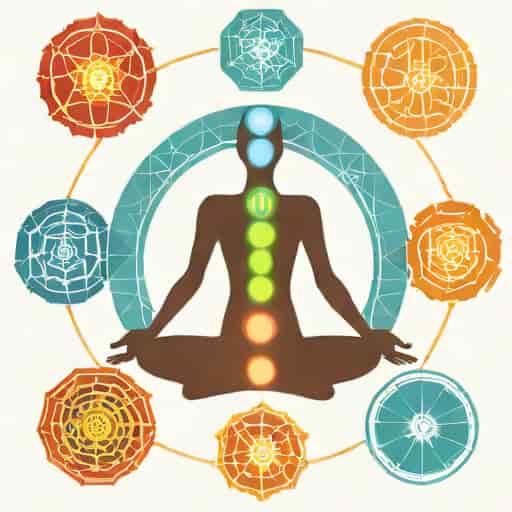
Balancing the chakras is an ancient practice rooted in holistic and spiritual traditions that connect the body, mind, and spirit. Chakras are energy centers within the human body that correspond to specific physical, emotional, and spiritual aspects of our being. When these energy centers are aligned and balanced, they promote optimal health, mental clarity, and emotional stability. Each chakra is associated with specific organs and bodily functions, meaning that imbalances can manifest as physical discomfort or emotional unrest. Understanding the relationship between the chakras and corresponding organs is essential for anyone seeking to improve overall well-being through natural and mindful practices.
Understanding Chakras and Their Significance
The word chakra originates from Sanskrit, meaning wheel or disk, symbolizing the spinning energy centers that exist within the body. Traditionally, there are seven main chakras aligned along the spine, starting from the base to the crown of the head. Each chakra governs specific physiological functions and emotional traits. Balancing the chakras ensures that energy flows freely throughout the body, promoting harmony between the physical, emotional, and spiritual aspects of life. Blocked or underactive chakras can result in energy stagnation, which may affect both physical health and mental clarity.
The Seven Main Chakras
- Root Chakra (Muladhara)
- Sacral Chakra (Svadhisthana)
- Solar Plexus Chakra (Manipura)
- Heart Chakra (Anahata)
- Throat Chakra (Vishuddha)
- Third Eye Chakra (Ajna)
- Crown Chakra (Sahasrara)
Each of these chakras has a unique connection to both physical organs and emotional patterns. Balancing them is essential for maintaining overall health and well-being.
Root Chakra and Corresponding Organs
The Root Chakra, located at the base of the spine, is the foundation of energy in the body. It governs survival instincts, stability, and grounding. Physical organs associated with the Root Chakra include the kidneys, adrenal glands, and lower spine. Imbalances may manifest as lower back pain, fatigue, or issues with elimination and circulation. Emotionally, blockages can lead to feelings of insecurity, fear, or anxiety. Practices like meditation, yoga, and grounding exercises, such as walking barefoot on natural surfaces, help in balancing the Root Chakra.
Sacral Chakra and Corresponding Organs
The Sacral Chakra is located just below the navel and is associated with creativity, sexuality, and emotional expression. This chakra influences the reproductive system, kidneys, bladder, and lower abdomen. When the Sacral Chakra is balanced, individuals experience healthy emotional connections, sexual vitality, and creative expression. Imbalances can result in reproductive issues, urinary problems, or emotional instability. Techniques such as hip-opening yoga poses, water-based activities, and creative expression through art or dance can help restore balance to the Sacral Chakra.
Solar Plexus Chakra and Corresponding Organs
The Solar Plexus Chakra is located in the upper abdomen and governs personal power, confidence, and self-esteem. It corresponds to organs such as the liver, pancreas, stomach, and digestive system. A balanced Solar Plexus Chakra promotes healthy digestion, strong immunity, and a confident sense of self. Blockages can lead to digestive disorders, fatigue, and low self-confidence. Practices like core-strengthening exercises, deep breathing, and affirmations focused on self-worth are effective for balancing this energy center.
Heart Chakra and Corresponding Organs
The Heart Chakra, situated at the center of the chest, represents love, compassion, and emotional healing. It is connected to the heart, lungs, circulatory system, and thymus gland. When this chakra is balanced, individuals experience harmonious relationships, emotional resilience, and compassion for themselves and others. Imbalances may manifest as heart or lung problems, high blood pressure, or difficulty forming meaningful connections. Healing practices include heart-opening yoga poses, meditation focused on love and forgiveness, and acts of kindness and compassion.
Throat Chakra and Corresponding Organs
The Throat Chakra, located at the throat, governs communication, self-expression, and truth. It influences the thyroid gland, vocal cords, throat, and neck. A balanced Throat Chakra allows clear communication, honesty, and creativity in verbal expression. Blockages can lead to throat pain, thyroid imbalances, or difficulty expressing oneself. Techniques to restore balance include chanting, singing, mindful speech, and exercises that gently stretch the neck and throat area.
Third Eye Chakra and Corresponding Organs
The Third Eye Chakra, situated between the eyebrows, is associated with intuition, perception, and mental clarity. It corresponds to the brain, eyes, pituitary gland, and nervous system. When balanced, the Third Eye Chakra enhances intuition, insight, and focus. Imbalances may result in headaches, vision problems, or difficulty concentrating. Meditation, visualization exercises, and mindful awareness practices help activate and balance this chakra, fostering a deeper connection with inner wisdom.
Crown Chakra and Corresponding Organs
The Crown Chakra, located at the top of the head, represents spiritual connection, consciousness, and enlightenment. It influences the brain, nervous system, and pineal gland. A balanced Crown Chakra facilitates spiritual awareness, clarity of thought, and a sense of universal connection. Blockages can lead to feelings of disconnection, mental confusion, or neurological issues. Practices such as meditation, prayer, mindful reflection, and energy healing techniques support the activation and balancing of the Crown Chakra.
Methods to Balance Chakras
Balancing chakras requires a combination of physical, emotional, and spiritual practices. Holistic methods integrate the use of meditation, yoga, breathing exercises, energy healing, and mindfulness techniques. Additionally, lifestyle choices such as diet, exercise, and adequate rest play a crucial role in maintaining chakra health. Crystals, aromatherapy, and sound therapy can also enhance energy flow and promote balance.
Effective Practices for Chakra Balance
- Meditation and mindfulness to focus on each energy center.
- Yoga poses targeting specific chakras for physical and energetic alignment.
- Breathing exercises to enhance energy flow throughout the body.
- Energy healing techniques such as Reiki or acupuncture.
- Dietary choices that support specific organs and overall vitality.
- Use of crystals, essential oils, or sound frequencies to stimulate chakra activity.
Regular practice of these techniques can harmonize the body’s energy centers, leading to improved physical health, emotional stability, and spiritual well-being.
Balancing the chakras and understanding their corresponding organs is an essential aspect of holistic health and personal well-being. Each of the seven main chakras-Root, Sacral, Solar Plexus, Heart, Throat, Third Eye, and Crown-has specific physical and emotional connections that influence overall health. By maintaining energy flow through meditation, yoga, mindful practices, and lifestyle choices, individuals can promote balance, prevent blockages, and enhance both physical and emotional wellness. Integrating chakra balancing into daily routines helps foster harmony, clarity, and spiritual connection, creating a holistic approach to a healthier and more fulfilling life.