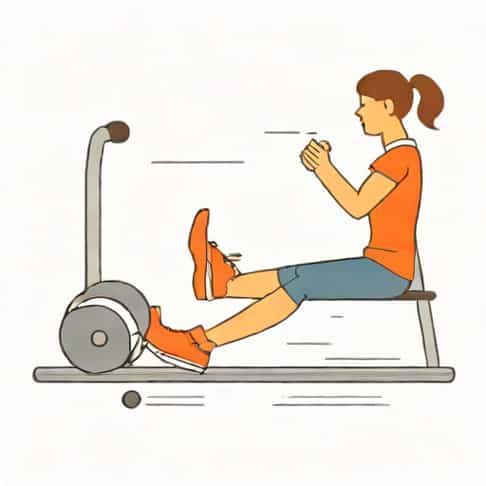
Post-thrombotic syndrome (PTS) is a chronic condition that can develop after deep vein thrombosis (DVT), causing pain, swelling, heaviness, and skin changes in the affected leg. Managing PTS requires a combination of medical treatments, lifestyle adjustments, and importantly, regular exercise to improve circulation and reduce symptoms. Exercise can help strengthen the calf muscles, enhance venous return, and prevent further complications, making it an essential part of long-term management. Choosing the best exercises tailored to the needs of someone with PTS is crucial for safety and effectiveness, promoting overall leg health and improving quality of life.
Understanding Post-Thrombotic Syndrome
Post-thrombotic syndrome occurs due to damage in the veins caused by a prior DVT, leading to venous insufficiency. Symptoms can range from mild discomfort to severe swelling, skin discoloration, and ulcers. The severity of PTS varies, but its impact on mobility and daily life can be significant. Exercise helps by stimulating blood flow, reducing edema, and enhancing the function of the calf muscle pump, which plays a critical role in returning blood from the lower limbs back to the heart.
Causes and Risk Factors
- Previous history of deep vein thrombosis (DVT)
- Obesity or excess body weight
- Prolonged immobility or sedentary lifestyle
- Vein valve damage or dysfunction
- Age and family history of venous disorders
Importance of Exercise in Managing PTS
Exercise is one of the most effective strategies to manage PTS. Regular physical activity can improve venous return, strengthen leg muscles, and prevent blood pooling. Exercises that engage the calf muscles and promote ankle movement are particularly beneficial, as the calf muscle acts as a natural pump to move blood against gravity. Additionally, exercise contributes to weight management, cardiovascular health, and overall well-being, all of which indirectly support the management of PTS symptoms.
Goals of Exercise for PTS
- Enhance venous blood flow in the legs
- Strengthen the calf and thigh muscles
- Reduce swelling and discomfort
- Improve mobility and endurance
- Prevent recurrence of DVT and further venous complications
Best Exercises for Post-Thrombotic Syndrome
When selecting exercises for PTS, low-impact activities that stimulate the calf muscles without causing excessive strain are preferred. Patients should consult their healthcare provider before starting an exercise program to ensure safety, especially if there are concerns about ulcers, severe swelling, or ongoing anticoagulant therapy.
Calf Raises
Calf raises are simple yet effective exercises for PTS. They target the calf muscles, improving venous return and reducing leg heaviness. To perform calf raises
- Stand with feet hip-width apart near a wall or chair for support.
- Slowly rise onto the balls of your feet, hold for a few seconds, then lower back down.
- Repeat 10-15 times for 2-3 sets daily.
Ankle Pumps
Ankle pumps involve flexing and pointing the toes to activate the calf muscles and promote circulation. This exercise is particularly useful for individuals with limited mobility or those recovering from DVT. Instructions
- Sit or lie down with legs extended.
- Point your toes away from you and then flex them back toward your body.
- Perform 15-20 repetitions several times a day.
Leg Elevation Exercises
Elevating the legs above heart level can help reduce swelling and improve venous return. Combining leg elevation with gentle exercises can enhance circulation. Steps include
- Lie on your back and raise your legs using a pillow or elevated surface.
- Perform ankle circles or gentle flexion and extension while elevated.
- Maintain elevation for 15-20 minutes at a time, 2-3 times daily.
Walking
Walking is a low-impact cardiovascular exercise that stimulates the calf muscle pump, promotes blood flow, and improves endurance. Patients should start with short distances and gradually increase duration as tolerated. Wearing compression stockings during walks can further enhance venous return and reduce swelling.
Stationary Cycling
Using a stationary bicycle allows for low-impact leg movement that strengthens the calf and thigh muscles. This exercise is ideal for patients who need controlled, repetitive movement without excessive weight-bearing. Start with 5-10 minutes per session and increase gradually based on comfort and endurance.
Swimming or Water Aerobics
Water-based exercises are highly recommended for PTS because the buoyancy reduces stress on the legs while promoting circulation. Swimming and water aerobics engage multiple muscle groups and provide gentle resistance, improving overall leg strength and mobility. Sessions of 20-30 minutes, several times per week, can provide significant benefits.
Exercise Precautions for PTS
While exercise is beneficial, it is important to take precautions to prevent injury or worsening of symptoms. Patients should avoid high-impact activities or heavy weight lifting that can strain the legs. Always monitor for signs of increased swelling, pain, or redness, and stop the activity if symptoms worsen. Consulting a healthcare provider or physical therapist can ensure exercises are tailored to individual needs and medical conditions.
Key Safety Tips
- Start slowly and gradually increase intensity.
- Use compression stockings if recommended by your physician.
- Stay hydrated and maintain a healthy weight.
- Avoid prolonged standing or sitting without movement.
- Seek medical advice if symptoms suddenly worsen.
Combining Exercise with Other Management Strategies
Exercise works best when combined with other interventions for PTS, including compression therapy, leg elevation, and proper skincare. Compression stockings help reduce swelling and support venous return during daily activities. Regular leg elevation relieves pressure in the veins, and maintaining healthy skin can prevent ulcers and infections. Together, these strategies provide a comprehensive approach to managing post-thrombotic syndrome effectively.
Additional Lifestyle Recommendations
- Maintain a healthy diet to manage weight and reduce venous pressure.
- Avoid smoking, which can impair circulation.
- Stay active throughout the day with light walking or stretching.
- Schedule regular check-ups with your healthcare provider.
- Monitor symptoms and adjust exercise routines as needed.
Exercise is a cornerstone in the management of post-thrombotic syndrome, providing benefits such as improved circulation, reduced swelling, and enhanced leg strength. Calf raises, ankle pumps, walking, stationary cycling, and water-based exercises are among the most effective for individuals with PTS. When performed safely and combined with compression therapy, leg elevation, and a healthy lifestyle, exercise can significantly improve quality of life and prevent complications. Patients should consult their healthcare providers before starting any new exercise regimen and adopt a gradual, consistent approach to achieve the best results in managing post-thrombotic syndrome.