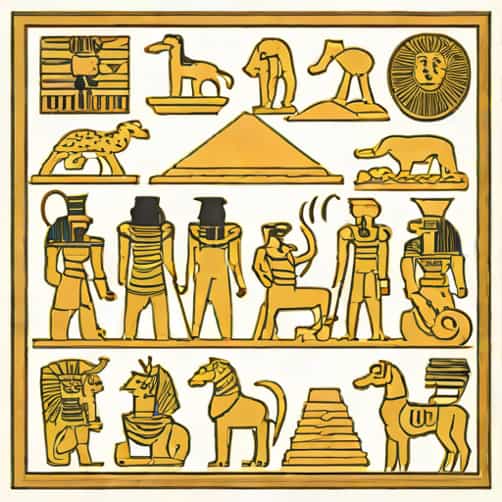
The civilization of ancient Egypt is one of the most fascinating and enduring societies in human history. Emerging more than five thousand years ago along the fertile banks of the Nile River, ancient Egypt developed a complex culture characterized by monumental architecture, sophisticated writing systems, and deeply held religious beliefs. This civilization profoundly influenced later cultures in the Mediterranean and Near East, leaving a legacy that continues to captivate historians, archaeologists, and enthusiasts around the world. From the iconic pyramids to the mysterious hieroglyphs, the story of ancient Egypt is a testament to human ingenuity, organization, and resilience.
Geography and the Nile River
The geography of ancient Egypt played a critical role in shaping its civilization. Situated in northeastern Africa, Egypt’s territory stretched along the Nile River, which provided fertile land for agriculture in an otherwise arid region. The river’s predictable annual floods deposited nutrient-rich silt onto the surrounding land, allowing the Egyptians to cultivate crops such as wheat, barley, and flax. This agricultural abundance supported population growth and the development of cities, while the Nile itself became a vital transportation route for trade, communication, and cultural exchange. The river’s central importance is reflected in many aspects of Egyptian religion and daily life, with numerous deities associated with its waters and cycles.
Political Structure and Governance
Ancient Egypt was a highly organized society with a centralized government led by the pharaoh, who was considered both a king and a divine figure. The pharaoh held supreme authority over all political, religious, and military matters. Bureaucrats, scribes, and officials assisted in the administration of the kingdom, overseeing tax collection, trade, and agricultural production. Egypt was divided into regions known as nomes, each governed by a local official appointed by the pharaoh. This administrative system allowed Egypt to maintain stability and manage resources efficiently, contributing to its long-lasting prosperity.
Religion and Beliefs
Religion was central to the lives of ancient Egyptians, influencing their culture, art, and daily activities. The Egyptians practiced polytheism, worshipping a vast pantheon of gods and goddesses connected to natural forces and aspects of life. Major deities included Ra, the sun god; Osiris, the god of the afterlife; and Isis, the goddess of magic and motherhood. Belief in an afterlife shaped burial practices and led to the construction of elaborate tombs filled with goods, food, and treasures intended to sustain the deceased. Rituals, prayers, and offerings were performed to honor the gods, seek protection, and ensure harmony between the human and divine worlds.
Architecture and Monuments
One of the most remarkable aspects of ancient Egyptian civilization is its architecture. The Egyptians are best known for building monumental structures such as the pyramids of Giza, the temples of Luxor and Karnak, and the Great Sphinx. These constructions required advanced engineering skills, extensive labor, and precise planning. Pyramids served as tombs for pharaohs and were believed to help them ascend to the afterlife. Temples functioned as religious centers where priests conducted rituals and offerings. The scale and durability of these structures demonstrate the Egyptians’ remarkable knowledge of construction and their deep commitment to religious and cultural traditions.
Writing and Record Keeping
The development of writing was another significant achievement of ancient Egyptian civilization. Hieroglyphs, a system of pictorial symbols, were used to record religious texts, historical events, and administrative documents. Scribes were highly trained individuals who played a vital role in maintaining records and facilitating communication within the kingdom. Papyrus, a paper-like material made from the Nile plant, allowed the Egyptians to create scrolls and documents that have survived for thousands of years. The ability to record information contributed to the continuity of Egyptian culture, governance, and religious practices over centuries.
Daily Life and Society
Daily life in ancient Egypt was shaped by social hierarchy, occupation, and geography. The society was divided into classes, with the pharaoh and royal family at the top, followed by nobles, priests, scribes, artisans, farmers, and laborers. Most Egyptians lived in small villages along the Nile, working as farmers or craftsmen. Food primarily consisted of bread, beer, vegetables, and fish from the Nile, while clothing was made from linen. Leisure activities included music, dancing, hunting, and board games such as senet. Family life was highly valued, and education was often limited to boys from wealthier families who could afford formal training from scribes and teachers.
Art and Culture
Art was an integral part of ancient Egyptian civilization, reflecting religious beliefs, social hierarchy, and daily life. Egyptian art is characterized by detailed carvings, statues, paintings, and jewelry, often depicting gods, pharaohs, and scenes from everyday life. Artists followed strict conventions in proportion, color, and symbolism, ensuring that their work conveyed meaning and adhered to religious principles. Music and dance also played an important role, with instruments like harps, flutes, and drums accompanying ceremonies and entertainment. Literature included poetry, wisdom texts, and stories that preserved cultural values and offered moral guidance.
Science and Technology
Ancient Egyptians made significant contributions to science and technology, particularly in medicine, mathematics, and engineering. They developed advanced techniques for construction, irrigation, and farming, allowing them to sustain large populations. Egyptian physicians were skilled in diagnosing illnesses, performing surgeries, and preparing medicinal remedies from herbs and natural substances. Mathematics, including geometry and arithmetic, was applied in land measurement, architecture, and accounting. The cumulative knowledge in these fields enabled the Egyptians to achieve impressive feats in both daily life and monumental projects.
Trade and Economy
The economy of ancient Egypt relied on agriculture, trade, and resource management. Surplus crops enabled trade with neighboring regions, bringing goods such as gold, copper, cedarwood, and luxury items into the kingdom. The Nile facilitated transportation and commerce, while marketplaces in towns and cities allowed local and foreign merchants to exchange goods. Craftsmanship and production of pottery, textiles, and jewelry contributed to both domestic needs and trade. Economic stability supported the growth of cities, the construction of monuments, and the flourishing of culture and learning.
Legacy of Ancient Egypt
The civilization of ancient Egypt left an enduring legacy that continues to influence modern society. Its achievements in architecture, art, writing, and governance set a foundation for subsequent cultures in the Mediterranean and Near East. The study of hieroglyphs, mummies, and monuments has provided invaluable insights into human history, religion, and social organization. The pyramids and temples remain symbols of human creativity and determination, attracting millions of visitors and scholars worldwide. Ancient Egypt’s emphasis on knowledge, order, and cultural expression ensures that its influence persists in both education and popular culture.
Ancient Egypt represents one of the most remarkable civilizations in human history, combining rich cultural traditions, technological innovation, and powerful religious beliefs. From the fertile Nile Valley to the monumental pyramids, the society demonstrated a profound understanding of agriculture, governance, engineering, and art. Its writing systems, scientific knowledge, and social organization enabled it to thrive for thousands of years. Today, the civilization of ancient Egypt continues to inspire awe and study, reminding us of the creativity, ingenuity, and resilience that define human achievement.