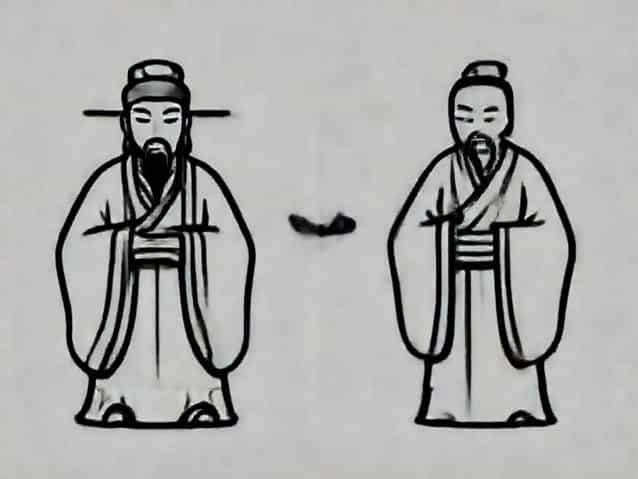
Confucianism and Daoism are two of the most influential philosophical traditions to emerge from ancient China, each offering unique perspectives on life, morality, and the universe. While both philosophies shaped Chinese culture, society, and governance, they approach human existence and the natural world in markedly different ways. Confucianism emphasizes social order, ethical behavior, and structured relationships, whereas Daoism focuses on harmony with nature, spontaneity, and living in accordance with the Dao, or the Way. Comparing and contrasting these two philosophies provides valuable insights into Chinese thought and the diverse ways humans seek meaning, balance, and fulfillment in life.
Origins and Historical Background
Confucianism was founded by Confucius (Kong Fuzi) during the 6th-5th century BCE, a period of political chaos and moral decline in China. Confucius sought to restore social harmony by emphasizing moral virtues, respect for authority, and proper conduct within family and society. Daoism, on the other hand, traces its roots to Laozi, traditionally considered the author of the Dao De Jing, and emerged around the same time as Confucianism. Daoism developed as a response to rigid social structures, advocating simplicity, naturalness, and alignment with the rhythms of the universe.
Key Principles of Confucianism
- Ren (Humaneness)Compassion, kindness, and empathy toward others.
- Li (Ritual and Proper Conduct)Observing traditional ceremonies, customs, and social norms to maintain harmony.
- Filial Piety (Xiao)Respect and devotion to parents, elders, and ancestors.
- Yi (Righteousness)Acting ethically and morally in all circumstances.
- Focus on EducationCultivating virtue and knowledge to contribute positively to society.
Key Principles of Daoism
- Dao (The Way)Living in harmony with the natural order and universal flow.
- Wu Wei (Non-Action)Emphasizing effortless action, spontaneity, and aligning with nature rather than forcing outcomes.
- SimplicityValuing a simple life free from excessive desire or materialism.
- Naturalness (Ziran)Embracing one’s true nature and the rhythms of the universe.
- BalanceUnderstanding the interdependence of opposites, as reflected in concepts like Yin and Yang.
Confucianism Society and Ethics
Confucianism is primarily concerned with human relationships and the cultivation of virtue within society. It emphasizes hierarchical structures, moral education, and responsibility. The philosophy provides guidelines for rulers, officials, and citizens, highlighting the importance of harmony in family, community, and governance. Confucius believed that personal virtue would lead to social stability, making ethical behavior the foundation of a well-ordered society.
Applications in Daily Life
- Observing respect and duty toward family members.
- Participating in community rituals and ceremonies.
- Upholding integrity and fairness in professional and political life.
- Seeking education to develop moral and intellectual capacities.
- Promoting social harmony through cooperation and ethical behavior.
Daoism Nature and Individuality
Daoism emphasizes the natural world and the individual’s relationship with it. Rather than focusing on social rules, Daoism encourages flexibility, adaptability, and inner peace. By following the Dao and practicing wu wei, individuals can achieve harmony with nature, reduce stress, and cultivate spiritual growth. Daoist philosophy often promotes meditation, simplicity, and self-cultivation as paths to balance and enlightenment.
Applications in Daily Life
- Practicing mindfulness and meditation to align with natural rhythms.
- Living simply and avoiding unnecessary desires or competition.
- Observing the natural environment and learning from its patterns.
- Seeking inner peace and personal fulfillment over social approval.
- Balancing work, rest, and leisure in accordance with natural cycles.
Comparing Confucianism and Daoism
Despite originating in the same cultural context, Confucianism and Daoism offer contrasting perspectives. Confucianism emphasizes external order, social duties, and ethical norms, while Daoism focuses on internal harmony, natural living, and spontaneity. Both philosophies, however, share the goal of human well-being and can complement each other. Confucianism provides structure and guidance for social life, while Daoism offers tools for personal serenity and balance.
Similarities
- Both originated in ancient China during periods of social upheaval.
- Each philosophy seeks harmony, either socially (Confucianism) or naturally (Daoism).
- They value moral development, whether through virtuous conduct or alignment with the Dao.
- Both influenced Chinese culture, art, and governance for centuries.
- Encourage reflection and self-cultivation to improve life and relationships.
Differences
- Confucianism emphasizes social hierarchy and duties; Daoism emphasizes individual freedom and natural order.
- Confucianism relies on rituals and education; Daoism relies on intuition and observation of nature.
- Confucianism focuses on external morality; Daoism focuses on internal harmony and spiritual alignment.
- Confucianism is action-oriented toward society; Daoism is contemplative and introspective.
- Confucianism promotes structured governance; Daoism often advocates minimal intervention and simplicity.
Integrating Both Philosophies
In practice, many people have found value in integrating aspects of both Confucianism and Daoism. Confucian principles can guide social conduct and ethical responsibilities, while Daoist ideas provide balance, mental clarity, and a connection to the natural world. Together, they offer a comprehensive approach to life that addresses both societal needs and personal well-being. This integration can lead to a more harmonious existence, blending discipline with flexibility and duty with serenity.
Practical Applications of Integration
- Following Confucian ethics in professional and family life while practicing Daoist mindfulness and meditation.
- Maintaining social responsibilities without neglecting personal health and spiritual balance.
- Using Daoist simplicity to reduce stress while upholding Confucian virtues like honesty and respect.
- Balancing structured learning and self-cultivation to develop both knowledge and inner peace.
- Encouraging cooperation in society while fostering personal creativity and natural intuition.
Confucianism and Daoism represent two complementary approaches to understanding life, morality, and the universe. Confucianism emphasizes social harmony, ethical behavior, and education, while Daoism values naturalness, spontaneity, and spiritual balance. Both have profoundly influenced Chinese culture and philosophy, providing guidance for both society and the individual. Comparing and contrasting these philosophies highlights their unique contributions while also revealing the ways in which they can be harmonized to create a more balanced, meaningful, and fulfilling life. Whether one seeks guidance in social responsibility or personal enlightenment, studying Confucianism and Daoism offers timeless wisdom that continues to resonate in the modern world.