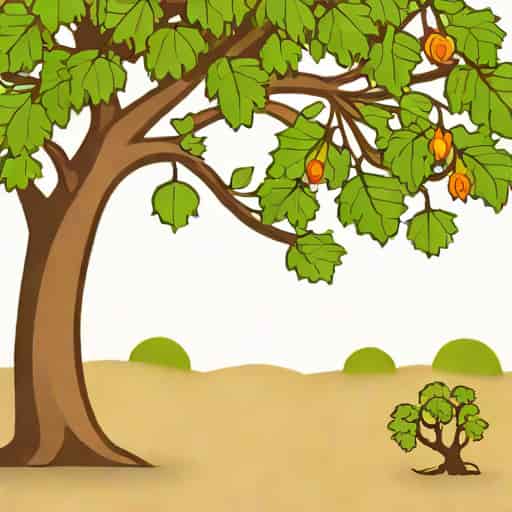
The parable of the unfruitful fig tree is one of the short but deeply meaningful teachings found in the New Testament. It uses simple agricultural imagery to communicate a powerful spiritual message about responsibility, patience, and the importance of meaningful change. Though brief, this parable invites reflection on personal growth and the consequences of failing to live with purpose. Its message remains relevant for readers seeking to understand moral accountability and the balance between mercy and judgment.
Context of the Parable
The parable of the unfruitful fig tree appears in the Gospel of Luke. It is shared during a moment when listeners are thinking about tragedy, suffering, and divine judgment. Jesus uses this story to shift the focus away from blaming others and toward self-examination.
Historical and Cultural Background
In the agricultural society of the time, fig trees were common and valuable. They were expected to bear fruit regularly, and a fig tree that failed to do so was considered useless. This cultural understanding makes the parable easier to grasp for its original audience.
The vineyard setting also reflects care and intention. A tree planted in a vineyard receives attention, protection, and nourishment.
The Story of the Unfruitful Fig Tree
The parable describes a man who owns a vineyard and has a fig tree planted in it. Over several years, he comes looking for fruit on the tree but finds none. Frustrated, he tells the gardener to cut the tree down, as it is wasting the soil.
The Gardener’s Response
The gardener asks for one more year. He promises to dig around the tree and fertilize it. If the tree bears fruit afterward, it will be allowed to remain. If not, it will be cut down.
This short exchange forms the heart of the parable.
Symbolism in the Parable
The parable of the unfruitful fig tree is rich in symbolism. Each element represents a deeper spiritual idea that adds layers of meaning to the story.
The Fig Tree
The fig tree symbolizes individuals or communities who have been given opportunities to grow and produce good outcomes. Despite favorable conditions, the tree remains unproductive.
This raises questions about responsibility and purpose.
The Owner
The vineyard owner represents authority and accountability. His expectation of fruit reflects the idea that growth and action are expected results of care and opportunity.
The decision to cut down the tree shows that patience has limits.
The Gardener
The gardener represents mercy, intercession, and hope. His request for more time highlights compassion and the belief that change is still possible.
This figure introduces balance into the story.
The Meaning of Fruitfulness
Fruitfulness in the parable goes beyond literal fruit. It symbolizes visible outcomes of inner growth, such as positive actions, moral behavior, and meaningful contributions.
Spiritual and Moral Growth
Being fruitful implies responding to opportunities with transformation. It suggests that growth should be evident, not hidden or delayed indefinitely.
- Positive behavior
- Responsibility toward others
- Consistent personal improvement
The absence of fruit indicates wasted potential.
Patience and Mercy in the Parable
A key theme in the parable of the unfruitful fig tree is patience. The gardener’s plea reflects a willingness to invest more time and effort before making a final judgment.
The Gift of Time
The additional year represents a window for change. It suggests that failure is not always final and that growth can still happen with care and effort.
However, the parable makes it clear that this time is limited.
Accountability and Consequences
While the parable emphasizes mercy, it does not ignore accountability. The possibility of the tree being cut down remains real.
Responsibility for Growth
The story teaches that continued unfruitfulness has consequences. Opportunities are valuable, and ignoring them leads to loss.
This balance between patience and judgment gives the parable its emotional depth.
Self-Reflection and Personal Application
The parable invites listeners to reflect on their own lives rather than judging others. It asks whether growth is happening and whether opportunities are being used wisely.
Questions the Parable Raises
- Am I making use of the opportunities I have been given?
- Is there evidence of growth in my actions?
- Am I relying on patience without making changes?
These questions make the parable deeply personal.
Relevance in Modern Life
The message of the unfruitful fig tree remains relevant today. Many people experience seasons of delay, comfort, or stagnation.
Modern Interpretations
In a modern context, the parable can apply to personal goals, ethical living, or community responsibility. It challenges people to move beyond intention and toward action.
Growth requires effort, reflection, and responsiveness.
Hope Within the Warning
Although the parable contains a warning, it is not without hope. The gardener’s intervention shows that care, guidance, and effort can lead to transformation.
The Opportunity for Change
The story ends without revealing the final outcome of the fig tree. This open ending invites listeners to imagine a positive result and take action in their own lives.
The absence of a conclusion places responsibility on the listener.
Why the Parable Still Matters
The parable of the unfruitful fig tree continues to resonate because it speaks to universal human experiences. It addresses patience, responsibility, missed opportunities, and the possibility of renewal.
A Timeless Message
Its simplicity makes it accessible, while its depth encourages long-term reflection. The story reminds readers that growth is expected, but compassion allows space for change.
The parable of the unfruitful fig tree is a powerful teaching that combines warning with mercy. Through the image of a tree that fails to bear fruit, it highlights the importance of growth, accountability, and meaningful action. The gardener’s request for more time shows compassion and hope, while the owner’s expectation reminds listeners that opportunities should not be wasted. By encouraging self-reflection rather than judgment of others, the parable remains a timeless message about purpose, patience, and the responsibility to live fruitfully.