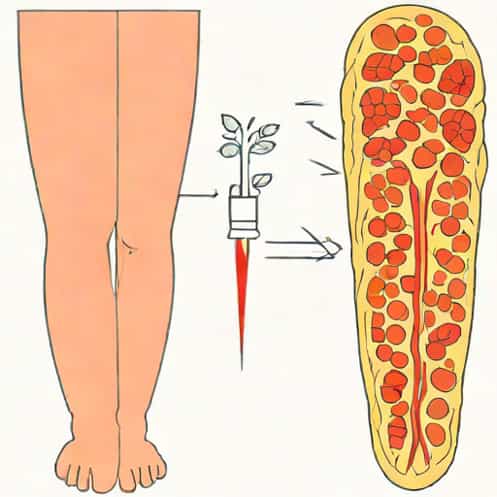
Understanding the difference between cellulitis and phlebitis is essential for proper diagnosis and treatment, as both conditions involve inflammation but affect different structures within the body. Many people confuse the two because they share similar symptoms, such as redness, swelling, and pain, but their causes, complications, and management strategies differ significantly. Accurate recognition of these conditions ensures timely medical care and prevents serious complications, particularly in vulnerable individuals with underlying health issues.
What is Cellulitis?
Cellulitis is a bacterial infection of the skin and subcutaneous tissues, usually caused by Streptococcus or Staphylococcus bacteria. It typically affects the lower legs but can occur anywhere on the body. The infection spreads rapidly through the skin, leading to inflammation, redness, warmth, and swelling. In some cases, cellulitis may also cause fever, chills, and fatigue, indicating a systemic response to infection.
Causes and Risk Factors
- Breaks in the skin, such as cuts, scrapes, or insect bites
- Chronic skin conditions like eczema or athlete’s foot
- Weakened immune system due to diabetes, cancer, or HIV
- Edema or lymphedema, which can impair circulation
Cellulitis occurs when bacteria enter through a break in the skin and multiply, overwhelming the body’s local defenses. People with compromised immune systems are particularly susceptible to severe or recurrent infections.
Symptoms of Cellulitis
- Redness and swelling of the affected area
- Warmth and tenderness over the infection site
- Pain or discomfort, often increasing with touch or movement
- Fever, chills, or malaise in more severe cases
- Blistering or skin dimpling in advanced infections
What is Phlebitis?
Phlebitis, on the other hand, is the inflammation of a vein, often in the legs, and can be either superficial or deep. It is commonly associated with blood clots, a condition known as thrombophlebitis. Superficial phlebitis affects veins close to the skin surface, whereas deep vein thrombophlebitis involves deeper veins and carries a higher risk of complications like pulmonary embolism.
Causes and Risk Factors
- Prolonged immobility or bed rest, which can slow blood flow
- Use of intravenous catheters or injections
- Varicose veins or vascular disease
- Blood clotting disorders
- Recent surgery or trauma
Phlebitis occurs when a vein becomes irritated or inflamed, often due to mechanical trauma, infection, or clot formation. Unlike cellulitis, the inflammation is within the vein rather than the surrounding skin and tissue.
Symptoms of Phlebitis
- Redness along the path of the vein
- Swelling or a palpable cord over the affected vein
- Localized pain, tenderness, or warmth
- Mild fever in some cases
- Skin discoloration or hardness along the vein
Key Differences Between Cellulitis and Phlebitis
While cellulitis and phlebitis share overlapping symptoms, several factors distinguish the two conditions
Location of Inflammation
Cellulitis affects the skin and subcutaneous tissues, often resulting in diffuse redness and swelling. Phlebitis involves the veins themselves, usually presenting as a linear area of tenderness and swelling along the vein.
Underlying Cause
Cellulitis is primarily caused by bacterial infection, whereas phlebitis may result from mechanical irritation, blood clots, or infection in the vein. The presence of a clot in phlebitis can complicate treatment and pose a higher risk for serious outcomes.
Complications
- CellulitisIf untreated, can lead to abscess formation, sepsis, or systemic infection.
- PhlebitisCan lead to deep vein thrombosis (DVT) or pulmonary embolism, particularly if the clot travels to the lungs.
Treatment Approaches
Treatment differs based on the underlying cause
- CellulitisRequires antibiotics, either oral or intravenous, depending on severity. Pain relief, elevation of the affected limb, and proper wound care are also important.
- PhlebitisSuperficial phlebitis may be managed with warm compresses, anti-inflammatory medications, and compression therapy. Deep vein thrombophlebitis often requires anticoagulants to prevent clot propagation.
Diagnosis
Diagnosis involves physical examination and medical history, supported by imaging and laboratory tests if needed. Ultrasound is particularly useful for phlebitis to detect blood clots. Blood tests may help identify infection in cellulitis or rule out systemic involvement.
Prevention Strategies
Preventing both cellulitis and phlebitis involves addressing risk factors and maintaining good health
- Practice proper skin hygiene and promptly treat cuts, scrapes, or insect bites.
- Keep skin moisturized to prevent cracks and fissures.
- Avoid prolonged immobility; take breaks to walk or stretch during long periods of sitting.
- Use compression stockings if prone to varicose veins or vascular problems.
- Seek prompt medical attention for any signs of infection or vein inflammation.
Cellulitis and phlebitis are distinct conditions that both require timely recognition and treatment. While cellulitis involves bacterial infection of the skin and subcutaneous tissues, phlebitis is inflammation of a vein, often associated with blood clots. Understanding the differences between these conditions, including their symptoms, causes, complications, and treatment options, is essential for effective management. By staying informed and proactive in preventive care, individuals can reduce their risk and ensure prompt intervention when necessary. Recognizing the subtle differences in presentation can ultimately save lives and prevent serious health complications, highlighting the importance of awareness and medical guidance.