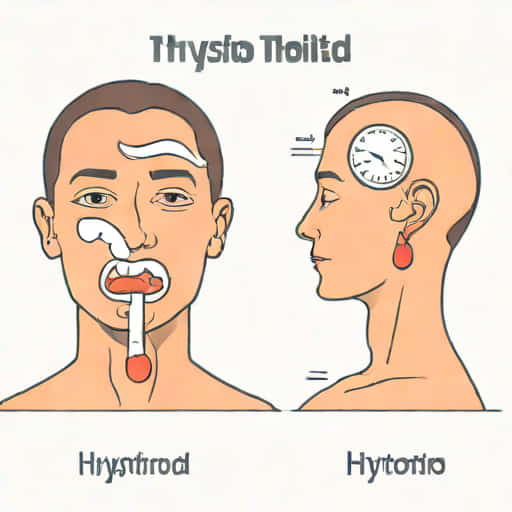
The thyroid gland plays a crucial role in regulating the body’s metabolism, energy levels, and overall hormonal balance. When the thyroid does not function properly, it can lead to significant health issues. Two of the most common thyroid disorders are hypothyroidism and hyperthyroidism. Understanding the difference between hypothyroid and hyperthyroid conditions is essential for recognizing symptoms, seeking timely medical intervention, and maintaining optimal health. While both disorders involve the thyroid gland, they have opposite effects on the body and require distinct approaches to management and treatment.
Understanding Hypothyroidism
Hypothyroidism occurs when the thyroid gland does not produce enough thyroid hormones, primarily thyroxine (T4) and triiodothyronine (T3). These hormones are essential for regulating metabolism, heart rate, and body temperature. A deficiency in thyroid hormones slows down bodily functions, leading to a range of symptoms that can affect multiple systems in the body.
Causes of Hypothyroidism
Several factors can lead to hypothyroidism, including
- Autoimmune diseases such as Hashimoto’s thyroiditis, which cause the immune system to attack the thyroid gland.
- Iodine deficiency, which is crucial for thyroid hormone production.
- Certain medications that interfere with thyroid hormone synthesis or absorption.
- Congenital conditions where the thyroid gland does not develop properly.
- Thyroid surgery or radiation therapy that damages the gland.
Symptoms of Hypothyroidism
People with hypothyroidism may experience a variety of symptoms, which often develop gradually. Common signs include
- Fatigue and low energy levels
- Weight gain despite normal diet
- Cold intolerance or feeling unusually cold
- Dry skin and hair, hair loss
- Constipation
- Depression or mood swings
- Swelling in the face, hands, or feet
- Slow heart rate
These symptoms result from the overall slowing of metabolic processes due to insufficient thyroid hormone production.
Understanding Hyperthyroidism
In contrast, hyperthyroidism occurs when the thyroid gland produces excessive amounts of thyroid hormones. This overproduction accelerates metabolism and causes the body to function at a higher rate than normal, which can lead to various physical and emotional symptoms.
Causes of Hyperthyroidism
Several factors can contribute to hyperthyroidism, including
- Graves’ disease, an autoimmune disorder that stimulates excessive hormone production.
- Thyroid nodules or goiter that produce excess hormones independently of regulatory mechanisms.
- Excessive iodine intake through diet or medications.
- Thyroid inflammation or thyroiditis, which can release stored hormones into the bloodstream.
Symptoms of Hyperthyroidism
Symptoms of hyperthyroidism are generally the opposite of hypothyroidism and may include
- Unexplained weight loss despite increased appetite
- Rapid or irregular heartbeat
- Increased sweating and heat intolerance
- Frequent bowel movements or diarrhea
- Restlessness, anxiety, or nervousness
- Tremors in the hands or fingers
- Enlarged thyroid gland (goiter)
- Difficulty sleeping
These symptoms occur because the body’s metabolic rate is significantly increased due to excess thyroid hormones.
Key Differences Between Hypothyroidism and Hyperthyroidism
Understanding the differences between hypothyroid and hyperthyroid conditions is essential for diagnosis and treatment. Key distinctions include
- Hormone LevelsHypothyroidism is marked by low T3 and T4 levels, while hyperthyroidism involves high levels of these hormones.
- Metabolic RateHypothyroidism slows metabolism, leading to weight gain and fatigue; hyperthyroidism speeds up metabolism, causing weight loss and increased energy use.
- Heart FunctionHypothyroidism can cause bradycardia (slow heart rate), whereas hyperthyroidism often leads to tachycardia (rapid heart rate).
- Temperature SensitivityHypothyroid individuals feel unusually cold, while hyperthyroid individuals often experience heat intolerance.
- Emotional and Cognitive EffectsHypothyroidism may lead to depression and memory issues, while hyperthyroidism can cause anxiety, irritability, and restlessness.
Diagnosis and Testing
Both conditions are diagnosed through a combination of clinical evaluation and blood tests. Physicians typically measure levels of thyroid-stimulating hormone (TSH), T3, and T4. In hypothyroidism, TSH is usually elevated as the body attempts to stimulate hormone production, while T3 and T4 are low. In hyperthyroidism, TSH is suppressed due to high circulating levels of thyroid hormones. Additional tests such as thyroid antibody tests, ultrasound, or radioactive iodine uptake may help determine the underlying cause.
Treatment Approaches
Treatment strategies for hypothyroidism and hyperthyroidism differ due to the opposite nature of the conditions.
Hypothyroidism Treatment
- Levothyroxine, a synthetic thyroid hormone, is the most common treatment to restore hormone levels.
- Lifestyle modifications, such as a balanced diet rich in iodine and selenium, can support thyroid health.
- Regular monitoring of thyroid hormone levels to adjust medication dosage as needed.
Hyperthyroidism Treatment
- Anti-thyroid medications, such as methimazole or propylthiouracil, reduce hormone production.
- Radioactive iodine therapy, which selectively destroys overactive thyroid cells.
- Surgery in severe cases to remove part or all of the thyroid gland.
- Beta-blockers to manage symptoms like rapid heart rate and tremors.
Understanding the difference between hypothyroid and hyperthyroid conditions is crucial for recognizing symptoms, obtaining proper diagnosis, and receiving effective treatment. Hypothyroidism involves an underactive thyroid that slows metabolism, while hyperthyroidism involves an overactive thyroid that accelerates metabolic processes. Each condition presents distinct symptoms, causes, and treatment strategies. Early detection and appropriate management can improve quality of life, prevent complications, and ensure optimal thyroid function. Awareness of these differences empowers individuals to seek timely medical care and maintain overall health and well-being.