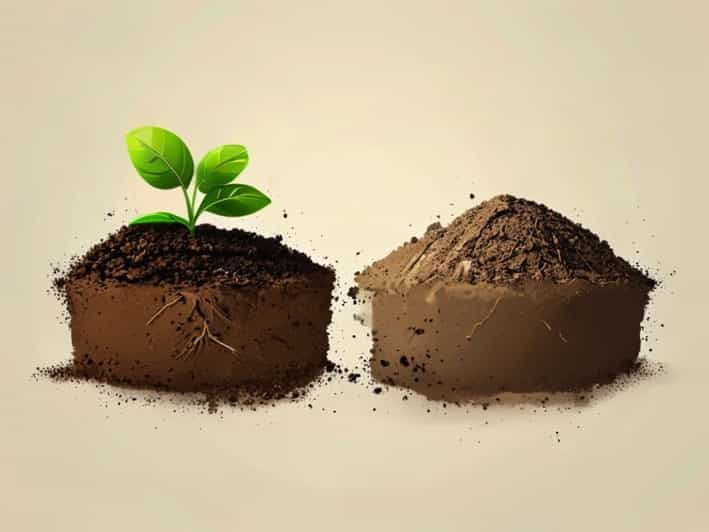
Soil is one of the most important components of agriculture and gardening, as it provides the essential foundation for plant growth. Among the various types of soil, loam soil and sandy soil are two commonly discussed types due to their distinct characteristics and impact on farming and gardening practices. Understanding the differences between loam soil and sandy soil is crucial for gardeners, farmers, landscapers, and anyone interested in cultivating healthy plants. Each soil type has unique properties that affect water retention, nutrient availability, and suitability for different crops, making it essential to recognize their advantages and limitations.
What is Loam Soil?
Loam soil is often considered the ideal type of soil for gardening and agriculture because it is well-balanced and fertile. It is a combination of sand, silt, and clay in relatively equal proportions, which gives it a balanced texture and excellent structure. Loam soil is known for its ability to retain moisture and nutrients while also providing good drainage. This combination allows plant roots to access the water and nutrients they need without becoming waterlogged. Loam soil is dark in color, rich in organic matter, and easy to work with, making it suitable for a wide range of plants, including vegetables, flowers, and fruit trees.
Characteristics of Loam Soil
- Contains a balanced mix of sand, silt, and clay.
- Rich in organic matter, providing essential nutrients to plants.
- Has good water retention and drainage properties.
- Soft and crumbly texture, making it easy to till and cultivate.
- Supports healthy root growth and aeration.
- Dark brown or black in color, indicating high fertility.
What is Sandy Soil?
Sandy soil is composed mostly of large ptopics, which gives it a gritty texture. This soil type drains water quickly, meaning it does not retain moisture or nutrients as effectively as loam soil. While sandy soil warms up faster in the spring and is easy to work with, it requires more frequent watering and fertilization to support plant growth. Sandy soil is commonly found in coastal areas, deserts, and places with low clay content. Due to its low nutrient retention, it is less fertile naturally, but with proper amendments such as compost or organic matter, it can still support plant growth effectively.
Characteristics of Sandy Soil
- Gritty texture due to large sand ptopics.
- Drains water quickly and dries out faster than other soils.
- Poor in nutrient retention, requiring regular fertilization.
- Warms up quickly, which can be advantageous for early planting.
- Lightweight and easy to cultivate, though it may be prone to erosion.
- Typically lighter in color compared to loam soil.
Key Differences Between Loam Soil and Sandy Soil
While both loam soil and sandy soil are used in gardening and agriculture, their differences significantly affect plant growth and soil management. Understanding these differences helps in selecting the appropriate soil type for specific crops and ensuring optimal plant health.
Texture and Composition
Loam soil has a balanced texture due to the combination of sand, silt, and clay. This balance allows it to retain moisture and nutrients while still offering proper drainage. In contrast, sandy soil has a gritty texture with large ptopics that create spaces for rapid water drainage but poor nutrient retention. This makes sandy soil lighter and less compact than loam soil, but it also requires careful management to prevent nutrient loss.
Water Retention
One of the most notable differences between loam soil and sandy soil is water retention. Loam soil holds water effectively, ensuring that plants receive adequate moisture without becoming waterlogged. Sandy soil, on the other hand, drains water quickly and can dry out between watering sessions. Gardeners using sandy soil need to water more frequently and may use mulching techniques to conserve moisture.
Nutrient Content
Loam soil is naturally fertile due to its balanced composition and high organic matter content. It provides essential nutrients such as nitrogen, phosphorus, and potassium in sufficient amounts for plant growth. Sandy soil has low nutrient retention, and nutrients can easily wash away with water. To grow healthy plants in sandy soil, regular addition of fertilizers or compost is necessary to replenish lost nutrients.
Workability
Both soil types are relatively easy to work with, but in different ways. Loam soil is soft and crumbly, making it ideal for tilling, planting, and root development. Sandy soil is light and easy to dig but can be more prone to erosion and shifting. Gardeners often mix organic matter into sandy soil to improve its structure and make it more supportive for plants.
Suitability for Plants
Loam soil is versatile and suitable for a wide range of plants, including vegetables, fruits, flowers, and shrubs. Its balance of water retention, drainage, and nutrients makes it the preferred choice for most gardens. Sandy soil is suitable for plants that prefer well-drained conditions, such as succulents, cacti, and some herbs. With soil amendments, sandy soil can also support more nutrient-demanding crops.
Advantages and Disadvantages
Loam Soil
- Advantages High fertility, good water retention, supports healthy root growth, easy to work with.
- Disadvantages Can become compacted if not managed properly, may require aeration in certain conditions.
Sandy Soil
- Advantages Drains quickly, warms up fast, lightweight and easy to cultivate.
- Disadvantages Poor nutrient retention, requires frequent watering and fertilization, prone to erosion.
Improving Soil Quality
Gardeners can improve both loam and sandy soils to optimize plant growth. For sandy soil, adding organic matter such as compost, peat moss, or manure can enhance water retention and nutrient content. For loam soil, regular aeration and addition of organic matter can prevent compaction and maintain fertility. Understanding the specific needs of the soil type ensures healthy plant growth and sustainable gardening practices.
The difference between loam soil and sandy soil lies in their composition, texture, water retention, nutrient content, and suitability for plants. Loam soil is a balanced, fertile, and versatile soil ideal for most types of gardening, while sandy soil is fast-draining, lighter, and suitable for plants that require well-drained conditions. Recognizing these differences allows gardeners and farmers to manage soil effectively, select appropriate crops, and implement practices that maintain soil health. Both soil types have unique advantages and challenges, and with proper management, each can support successful plant growth and sustainable agricultural practices.