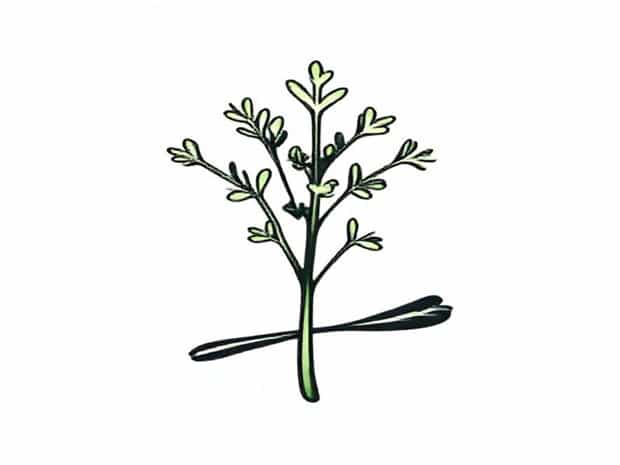
Tarragon is a fragrant herb commonly used in French cuisine, as well as in various European and American dishes, known for its delicate, aromatic flavor. One of the most frequently asked questions about tarragon is whether it tastes like licorice. This question arises because tarragon has a distinctive flavor profile that some describe as sweet and slightly pungent, reminiscent of certain anise-flavored foods. Understanding the taste characteristics of tarragon, how it compares to licorice, and how it is used in cooking can help both novice and experienced cooks appreciate its unique qualities.
What Is Tarragon?
Tarragon, scientifically known asArtemisia dracunculus, is a perennial herb in the sunflower family. It is native to Eurasia and is particularly popular in French culinary traditions, where it is one of the key herbs in the famous fines herbes mixture. Tarragon comes in several varieties, including French tarragon, which is prized for its strong flavor and culinary use, and Russian tarragon, which tends to have a milder taste and is often less aromatic.
Appearance and Aroma
Fresh tarragon has slender, dark green leaves that are smooth and slightly glossy. When crushed or chopped, the leaves release a distinctive aroma that is herbaceous, sweet, and slightly peppery, with hints of anise. The aroma can give a clue to its flavor, which is complex and layered, contributing to its widespread use in sauces, dressings, and poultry dishes.
Does Tarragon Taste Like Licorice?
The flavor of tarragon is often compared to licorice, anise, or fennel due to its natural sweet, slightly bitter undertones and aromatic qualities. The similarity to licorice comes from a chemical compound called estragole, which is found in tarragon as well as in anise and fennel. Estragole gives tarragon its characteristic sweet, almost aromatic flavor that can remind some people of licorice candies or other anise-flavored foods.
Comparing Tarragon and Licorice
- SweetnessBoth tarragon and licorice have a natural sweetness, though tarragon is milder and more herbaceous.
- BitternessTarragon has a subtle bitterness that balances its sweetness, whereas licorice candy is often sweeter and more concentrated.
- AromaTarragon’s aroma is more herbal and complex, while licorice has a strong, recognizable scent that dominates flavor.
- AftertasteTarragon leaves a gentle anise-like aftertaste, unlike licorice candy, which can have a lingering, intense flavor.
Overall, while tarragon has a licorice-like flavor, it is less intense and more nuanced, offering both sweetness and herbaceous notes that make it versatile in cooking.
Culinary Uses of Tarragon
Tarragon is highly valued in cooking for its ability to enhance a wide range of dishes. Its licorice-like flavor complements both savory and mildly sweet recipes, making it a versatile herb in the kitchen.
Sauces and Dressings
One of the most famous uses of tarragon is in béarnaise sauce, a classic French sauce served with steak and other meats. Tarragon’s sweet, aromatic flavor pairs well with vinegar, butter, and egg yolks, creating a balanced, flavorful sauce. It is also used in salad dressings, particularly those incorporating mustard, lemon, or vinegar, to add depth and a subtle licorice note.
Poultry and Seafood
Tarragon is commonly used to season chicken, turkey, and fish. It complements mild proteins by providing a gentle, sweet, and slightly pungent flavor. For example, roasted chicken with tarragon, or a creamy tarragon sauce for fish, brings out complex flavors without overpowering the dish.
Vegetables and Soups
The herb can enhance vegetables, particularly carrots, potatoes, and asparagus, adding a sweet, aromatic twist. Tarragon also works well in soups, such as chicken or vegetable soups, where it infuses a subtle licorice-like aroma and flavor into the broth.
Fresh vs. Dried Tarragon
The form of tarragon used can influence its flavor and intensity. Fresh tarragon has a more pronounced, aromatic taste that is closer to licorice. Dried tarragon, on the other hand, tends to lose some of its delicate flavors during the drying process and may taste more muted or slightly bitter. For recipes where the licorice-like note is important, fresh tarragon is usually preferred.
Cooking Tips
- Add tarragon toward the end of cooking to preserve its delicate flavor and aroma.
- Pair it with acidic ingredients like lemon juice or vinegar to enhance its sweetness.
- Use it sparingly, as its distinctive flavor can dominate other ingredients if overused.
- Combine tarragon with complementary herbs such as parsley, chervil, or basil for a balanced taste.
Potential Misconceptions About Tarragon
Some people avoid tarragon because they dislike licorice or anise flavors, assuming that the herb will taste overwhelmingly like candy licorice. In reality, tarragon’s flavor is more subtle and herbaceous, providing a gentle sweetness and aromatic complexity rather than an intense licorice taste. It works well in recipes even for those who are not fans of strong anise-flavored foods.
Health and Nutritional Benefits
Besides its unique flavor, tarragon also offers nutritional and potential health benefits. It is low in calories and contains vitamins and minerals such as vitamin C, vitamin A, calcium, and iron. Tarragon has been traditionally used to aid digestion and stimulate appetite. While it is primarily used as a flavoring herb, incorporating it into meals can add both taste and a modest nutritional boost.
Tarragon does have a flavor that is reminiscent of licorice, but it is milder, more complex, and herbaceous. Its licorice-like taste comes from the compound estragole, which also exists in anise and fennel. Unlike candy licorice, tarragon provides a subtle sweetness balanced by slight bitterness, making it versatile in a wide range of savory dishes. From sauces and dressings to poultry, seafood, and vegetables, tarragon enhances flavor without overwhelming other ingredients.
Using fresh tarragon can maximize its aromatic qualities and the subtle licorice-like flavor, while dried tarragon provides a more muted taste. Understanding its flavor profile allows cooks to use tarragon effectively, whether in traditional French cuisine or contemporary dishes. Ultimately, while tarragon tastes somewhat like licorice, it offers a delicate, nuanced flavor that is unique and appealing, making it a valuable addition to any kitchen.