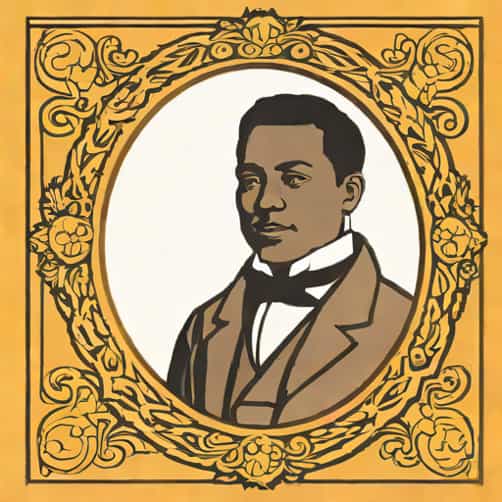
The early life of Crispus Attucks is a story shaped by resilience, courage, and the complex realities of colonial America. Born around 1723, Attucks emerged as a significant historical figure, known as the first casualty of the Boston Massacre in 1770, which ultimately fueled the revolutionary spirit leading to American independence. While much of his later life is linked to this pivotal moment, understanding his early years offers valuable insights into the social, economic, and racial dynamics of 18th-century America. Crispus Attucks was a man whose background and experiences reflected the struggles of African Americans and Native Americans during a time of oppression, inequality, and the fight for freedom.
Birth and Heritage
Crispus Attucks is believed to have been born around 1723 in Framingham, Massachusetts. Historical records indicate that he was of mixed heritage, with African and Native American ancestry, possibly from the Natick tribe. This mixed heritage placed Attucks in a unique social position in colonial America, where racial and cultural identities heavily influenced opportunities and social treatment. Being of African and Native descent, he likely faced the compounded challenges of slavery, discrimination, and limited economic opportunities. Despite these challenges, Attucks navigated his early life with resilience, eventually moving toward Boston, which became a central location in his later activism and historical legacy.
Family Background
Details about Crispus Attucks’ family are limited, but it is widely accepted that he grew up in a community where both African and Native American traditions were present. Some historians suggest that he may have experienced enslavement or servitude in his early years, a common circumstance for people of African descent in Massachusetts during the 18th century. This early exposure to social inequities likely shaped his perspective on justice, freedom, and resistance. While specific information about his parents and siblings is scarce, his heritage suggests that his family background played a role in influencing his identity and eventual involvement in broader social struggles.
Early Life in Massachusetts
Growing up in Massachusetts during the colonial period meant living in a society marked by rigid social hierarchies and racial discrimination. Attucks would have experienced firsthand the challenges faced by African Americans and Native Americans, including restricted access to education, limited employment opportunities, and systemic barriers to personal advancement. Despite these limitations, he developed skills that allowed him to survive and adapt in a society that often marginalized people of color. His early experiences in Massachusetts likely contributed to his determination and courage, characteristics that later defined his actions during the events leading to the Boston Massacre.
Work and Mobility
In his early adulthood, Crispus Attucks is believed to have worked as a sailor and laborer, occupations that provided a degree of freedom and mobility compared to the restrictions faced by enslaved individuals. As a sailor, he would have traveled to various ports, encountering diverse communities and gaining exposure to different cultures and ideas. This experience may have broadened his worldview and strengthened his sense of independence. His work also placed him in Boston, a city that was becoming a hotbed of revolutionary activity, where he eventually became involved in events that would cement his place in history.
Challenges and Social Context
The social context of Attucks’ early life was shaped by the overlapping pressures of race, economic status, and colonial governance. People of African and Native American descent often faced limited legal protections and were subjected to systemic inequalities. Education for people of color was rare, and employment opportunities were often confined to manual labor or servitude. Despite these obstacles, Attucks’ ability to work, travel, and engage with diverse communities suggests that he navigated these challenges with determination and resilience. Understanding these early struggles is essential to appreciating the courage he displayed later in life and his symbolic role in American history.
Community and Identity
Attucks’ mixed African and Native American heritage likely influenced his sense of community and personal identity. He would have been part of both African American and Native American networks, learning from the traditions, stories, and cultural practices of his ancestors. These connections may have provided him with social support and a sense of belonging in a society that often marginalized people like him. Additionally, his identity as a free man of color in a period when slavery and oppression were pervasive would have required him to navigate complex social dynamics, balancing survival with a desire for autonomy and dignity.
Path to Boston
Crispus Attucks eventually moved to Boston, a city that played a central role in colonial resistance against British rule. His relocation was likely motivated by the search for work, social connections, and greater opportunities for freedom. Boston, as a bustling port city, offered employment in maritime trade, docks, and other labor-intensive sectors. This environment exposed Attucks to the political tensions and revolutionary sentiments that were brewing among the city’s residents. His presence in Boston positioned him to become an active participant in events that would have lasting significance for American history.
Early Interactions in Boston
- Attucks worked in docks and maritime industries, gaining valuable skills and experience.
- He interacted with diverse populations, including African Americans, Native Americans, and European colonists.
- Exposure to political discourse and revolutionary ideas likely influenced his worldview.
- He formed connections with other laborers and free men of color in the city.
- His work and mobility in Boston provided opportunities to engage in the social and political fabric of the community.
Influence of Early Life on Later Actions
The early life experiences of Crispus Attucks-marked by heritage, struggle, labor, and mobility-shaped his character and responses to injustice. His resilience in the face of racial and social oppression, combined with his exposure to revolutionary ideas in Boston, prepared him for the defining moment of his life. As a free man of color, he became a symbol of courage and resistance, ultimately sacrificing his life during the Boston Massacre on March 5, 1770. His early years laid the foundation for his bravery and his role as a historic figure in the fight for liberty and justice.
Legacy of Early Experiences
- Early exposure to racial and social inequalities cultivated resilience and courage.
- Work as a sailor and laborer enhanced independence and mobility.
- Community connections with African American and Native American networks provided social support.
- Relocation to Boston positioned him within revolutionary movements.
- Early life struggles contributed to his willingness to confront injustice.
The early life of Crispus Attucks reflects the complex intersections of race, social status, and personal resilience in colonial America. Born around 1723 with African and Native American ancestry, he faced systemic challenges yet developed skills and experiences that allowed him to navigate a society structured by inequality. His work, mobility, and eventual relocation to Boston positioned him within the political and social tensions of the era. These formative experiences shaped his courage and ultimately led him to become a historic figure whose death in the Boston Massacre symbolized the fight for freedom and equality. Understanding his early life is crucial to appreciating the significance of Crispus Attucks in American history, highlighting the enduring impact of his legacy as a man of bravery and resilience.
- Born around 1723 with African and Native American heritage.
- Faced racial and social challenges in colonial Massachusetts.
- Worked as a sailor and laborer, gaining skills and mobility.
- Moved to Boston, engaging with revolutionary ideas and communities.
- Early experiences shaped resilience, courage, and willingness to confront injustice.
- Became a historic figure after dying in the Boston Massacre in 1770.
- Legacy highlights the intersection of race, freedom, and resistance in colonial America.