The eastern garter snake is one of the most common snakes found across the eastern United States, often seen slithering through gardens, forests, and wetlands. Many people who encounter this snake immediately wonder whether it is poisonous and whether it poses a threat to humans or pets. Understanding the eastern garter snake’s biology, behavior, and defense mechanisms is essential for anyone living in areas where this species is prevalent. By learning about its non-venomous nature, its ecological role, and safe ways to interact with or avoid these snakes, people can appreciate these reptiles without fear.
Identifying the Eastern Garter Snake
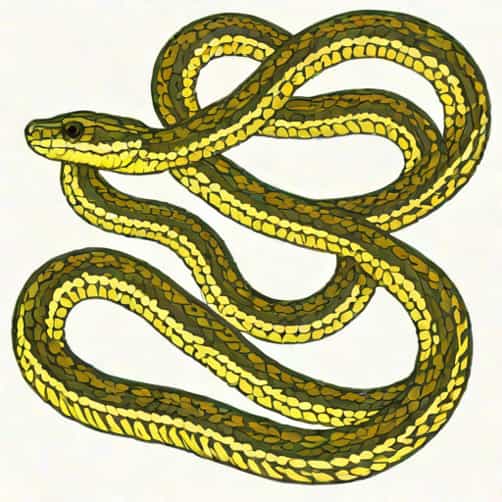
The eastern garter snake is characterized by its long, slender body and distinctive color patterns. Typically, it has a dark body with three longitudinal stripes running down its length, which can be yellow, green, or blue. Some individuals may also have red or orange spots between the stripes. The snake’s scales are smooth, and it has a relatively small head that blends seamlessly with its body. Adult eastern garter snakes usually grow between 18 to 26 inches, although some can reach up to 48 inches. Recognizing these features can help people distinguish it from other potentially dangerous snakes.
Habitat and Distribution
Eastern garter snakes are highly adaptable and can thrive in a wide variety of habitats, including forests, meadows, wetlands, and even suburban gardens. They prefer areas with abundant cover such as leaf litter, rocks, or tall grass, which provides protection from predators. These snakes are also frequently found near water sources because they often feed on amphibians, small fish, and invertebrates. Their widespread distribution across the eastern United States means that encounters with humans are common, making it important to understand their behavior and defensive strategies.
Are Eastern Garter Snakes Poisonous?
The eastern garter snake is not considered poisonous to humans. While they do produce mild venom that helps subdue small prey, this venom is not harmful to people. Bites are extremely rare and usually occur only if the snake feels threatened or is handled improperly. When an eastern garter snake does bite, the effect is typically minor, causing mild irritation, slight swelling, or a scratch-like sensation. Unlike venomous snakes such as copperheads or rattlesnakes, eastern garter snakes do not inject dangerous toxins that can pose serious health risks to humans.
Defense Mechanisms
Although eastern garter snakes are not dangerous to humans, they have several defense mechanisms to protect themselves from predators. These include
- Releasing a foul-smelling musk from glands near the base of the tail to deter attackers.
- Flattening their bodies and hissing to appear larger and more intimidating.
- Rapidly fleeing when threatened, often seeking cover in grass, rocks, or water.
- Biting as a last resort, which is usually harmless to humans.
These behaviors demonstrate that eastern garter snakes rely on avoidance and deterrence rather than venomous attacks to survive.
Diet and Hunting
Eastern garter snakes are opportunistic feeders, consuming a wide range of small animals. Their diet includes amphibians such as frogs and salamanders, earthworms, slugs, small fish, and occasionally small mammals. The mild venom produced by garter snakes helps immobilize prey, making it easier for the snake to swallow. Garter snakes use their keen sense of smell and heat detection to locate prey, often hunting during the day or at dusk. Their feeding habits play an important ecological role by controlling populations of small animals and maintaining balance in their habitats.
Reproduction and Lifespan
Eastern garter snakes are ovoviviparous, meaning they give birth to live young rather than laying eggs. Females typically produce 10 to 40 offspring in late summer. The young are independent from birth and must find their own food and shelter. Eastern garter snakes can live up to 10 years in the wild, although predation and environmental factors often reduce their lifespan. Understanding their reproduction and life cycle can help people coexist with these snakes while appreciating their role in the ecosystem.
How to Safely Coexist with Eastern Garter Snakes
Encounters with eastern garter snakes are generally harmless, but there are steps that homeowners and outdoor enthusiasts can take to ensure safety and prevent accidental bites
- Do not attempt to handle or provoke the snake.
- Keep gardens and yards free of debris and tall grass to reduce hiding spots near living areas.
- Educate children about the difference between venomous and non-venomous snakes.
- Use caution when reaching into areas where snakes may be hiding, such as under rocks or logs.
- Appreciate the snake from a distance and allow it to move freely back into its natural habitat.
Benefits of Eastern Garter Snakes
Although some people fear snakes, eastern garter snakes provide significant benefits to the environment. By feeding on insects, amphibians, and small rodents, they help control pest populations. Their presence indicates a healthy ecosystem, as they require clean habitats with abundant prey and shelter. Educating communities about these benefits can reduce unnecessary fear and promote coexistence with these harmless snakes.
Common Misconceptions
Many myths surround eastern garter snakes, including the belief that they are highly poisonous or aggressive. In reality, these snakes are timid, prefer to flee rather than attack, and pose minimal threat to humans. Misidentification can also lead to unnecessary fear, as their striped patterns and occasional bright colors can resemble more dangerous species. Learning to identify eastern garter snakes accurately can alleviate concerns and prevent unnecessary killing or removal of these beneficial reptiles.
When to Seek Medical Attention
Although bites from eastern garter snakes are generally harmless, it is still wise to clean the wound thoroughly with soap and water to prevent infection. Seek medical attention if there are signs of an allergic reaction, significant swelling, or if the bite becomes infected. In most cases, however, medical treatment is not required, as the venom is too weak to cause serious harm.
The eastern garter snake is a fascinating and ecologically important species that is commonly mistaken for being dangerous or poisonous. While it does produce mild venom for subduing small prey, it poses virtually no threat to humans or pets. Understanding their identifying features, behavior, diet, and defensive strategies allows people to coexist safely and appreciate these snakes’ contributions to the ecosystem. By recognizing that eastern garter snakes are non-venomous, homeowners and outdoor enthusiasts can reduce fear, avoid unnecessary harm to the snakes, and enjoy observing these reptiles in their natural habitats.