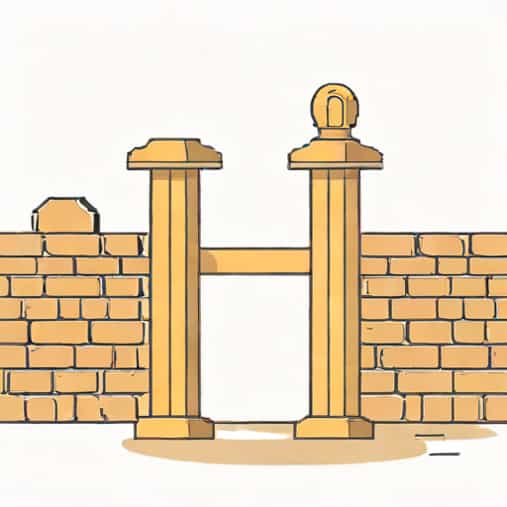
The English language is full of colorful idioms and expressions that often leave non-native speakers puzzled. One such expression is between you, me, and the gatepost. This phrase is commonly used in informal conversation to suggest secrecy or confidentiality. When someone uses it, they are implying that the information shared should remain private and not be repeated to others. Understanding idioms like this one is important not only for grasping the literal meaning but also for appreciating the cultural and social context in which it is used. This expression has historical roots, and its usage today reflects both humor and caution in everyday speech.
Meaning of the Expression
The phrase between you, me, and the gatepost means that the speaker is sharing confidential information and expects the listener to keep it secret. It is similar to saying just between us or don’t tell anyone else. The inclusion of the gatepost in the phrase adds a humorous or slightly exaggerated element, suggesting that even inanimate objects like a gatepost are privy to the secret. The expression is often used in casual conversation, storytelling, or when imparting information that is sensitive or personal.
Origins of the Phrase
The origins of between you, me, and the gatepost are not precisely documented, but it is believed to date back to 19th-century rural England or America. The gatepost, a common feature in agricultural areas, symbolized a physical boundary where people might stop and exchange private words. The idiom likely evolved as a way of emphasizing that the conversation was meant to be private, extending the secrecy from just two people to include even the surrounding environment as a silent witness. Over time, the phrase became a figurative way of stressing confidentiality with a touch of humor.
Usage in Modern English
Today, the expression is still in use, though it is considered somewhat quaint or old-fashioned. It is often found in literature, films, and dialogue that aim to evoke a traditional or rural atmosphere. People might use it when sharing gossip, giving advice, or revealing personal thoughts. While it may not appear frequently in formal writing, it is understood in many English-speaking countries and adds charm and nuance to informal speech.
Examples of the Expression
- Between you, me, and the gatepost, I think our manager is planning a surprise for the team.
- I’ll tell you what happened, but between you, me, and the gatepost, don’t repeat this to anyone.
- Between you, me, and the gatepost, she didn’t actually finish the project on time.
These examples illustrate how the phrase signals secrecy while maintaining a friendly and conversational tone. It often softens the seriousness of sharing sensitive information and can create a sense of camaraderie between the speaker and listener.
Similar Expressions
There are several expressions in English that convey a similar meaning to between you, me, and the gatepost. These include
- Just between usA direct and simple way to indicate confidentiality.
- Keep it under your hatSuggests that information should be kept secret, historically referring to hiding a note under a hat.
- Don’t breathe a wordA slightly more dramatic way to emphasize that no one else should know.
- Hush-hushImplies secrecy in a playful or informal way.
While these alternatives vary in tone and context, they all share the central idea of maintaining discretion about information shared.
Cultural Significance
Idioms like between you, me, and the gatepost reflect cultural values around privacy, trust, and social interaction. In societies where community and relationships are highly valued, such expressions emphasize the importance of trust between individuals. The playful inclusion of the gatepost also shows how humor is used to soften potentially sensitive conversations, making the communication lighter and more engaging.
Using the Expression Correctly
To use between you, me, and the gatepost effectively, it is important to consider context and tone. It is best suited for informal conversations and situations where the speaker wants to indicate secrecy while maintaining a friendly or humorous tone. Overusing the phrase can make speech seem old-fashioned, but when used sparingly, it adds character and warmth to dialogue. It is also important to ensure that the listener understands the figurative meaning to avoid confusion.
Tips for Usage
- Use it in casual conversations with friends, colleagues, or family.
- Pair it with statements that require confidentiality, such as personal stories or office gossip.
- Combine it with humor or storytelling to enhance engagement.
- Be mindful of cultural differences, as some non-native speakers may not be familiar with the idiom.
The expression between you, me, and the gatepost is a charming example of English idiomatic language that conveys secrecy in a playful and informal way. Its historical roots in rural life add a sense of tradition, while its continued use in modern speech highlights the enduring importance of trust and confidentiality in human interaction. Understanding and using this phrase allows speakers to add nuance, humor, and cultural depth to their conversations. Just like many idioms, it reminds us that language is not only a tool for communication but also a reflection of social values, relationships, and shared history. By appreciating expressions like this one, speakers can enrich their use of English and connect more meaningfully with others.