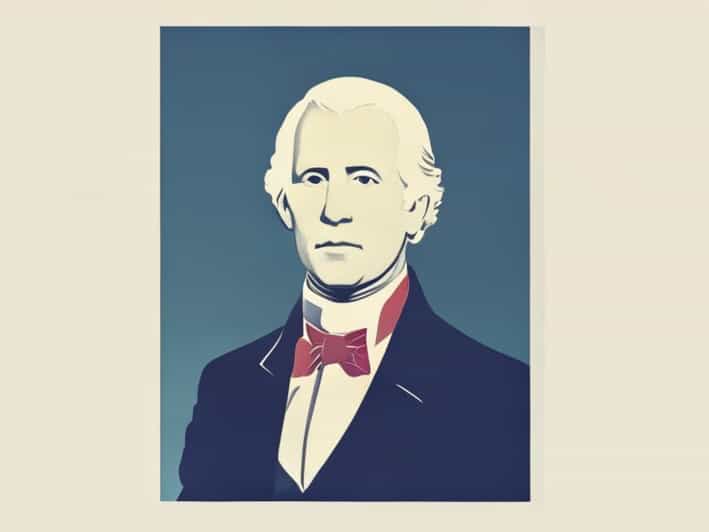
The idea of honorary citizenship in the United States is a rare and symbolic gesture, reserved for individuals whose contributions have had a lasting impact on the nation and the world. While millions have become citizens through birth or naturalization, only a handful have ever been granted this special recognition. The story of the first honorary citizen of the United States is closely tied to ideals of freedom, leadership, and international friendship, making it an important chapter in American history.
The Concept of Honorary Citizenship
Honorary citizenship is not the same as legal citizenship. It does not grant voting rights, passports, or the ability to hold public office. Instead, it is a ceremonial honor bestowed by the U.S. Congress to recognize extraordinary individuals.
This distinction makes honorary citizenship one of the most exclusive honors the United States can offer, emphasizing respect and gratitude rather than legal status.
The First Honorary Citizen of the United States
The first honorary citizen of the United States was Sir Winston Churchill. He received this honor in 1963, making history as the inaugural recipient of honorary U.S. citizenship.
Churchill was honored for his leadership during World War II and his enduring commitment to democratic values shared by the United States and its allies.
Why Winston Churchill Was Chosen
Winston Churchill served as Prime Minister of the United Kingdom during some of the darkest moments of World War II. His speeches, determination, and strategic leadership inspired not only the British people but also Americans.
He played a crucial role in strengthening the alliance between the United States and the United Kingdom, often referred to as the special relationship.
The Historical Context of the Honor
Churchill was granted honorary citizenship during the presidency of John F. Kennedy. The early 1960s were marked by Cold War tensions, and honoring Churchill symbolized unity among democratic nations.
The gesture also reflected America’s gratitude for Churchill’s role in resisting tyranny and defending freedom.
The Congressional Act of 1963
Honorary citizenship for Winston Churchill was granted through an act of Congress. This formal process underscores how rare and significant the honor is.
Congress passed the resolution with strong bipartisan support, highlighting Churchill’s global legacy.
The Ceremony and Public Reaction
Although Winston Churchill was too ill to attend the ceremony in person, his son accepted the honor on his behalf. President Kennedy praised Churchill’s courage and moral leadership.
The American public widely supported the decision, viewing Churchill as a hero and a friend of the United States.
What Made Churchill’s Case Unique
Churchill was not an American by birth, nor did he ever seek U.S. citizenship. His honorary status recognized influence rather than nationality.
His writings, speeches, and wartime leadership left a profound impression on American political thought and public morale.
Honorary Citizenship vs Naturalization
Unlike naturalized citizens, honorary citizens do not go through immigration procedures. The title is purely symbolic.
This distinction ensures that honorary citizenship remains an exceptional tribute rather than a pathway to legal rights.
Other Honorary Citizens After Churchill
Following Winston Churchill, only a few individuals have been granted honorary U.S. citizenship.
These include figures who stood for freedom, human rights, or historic alliances with the United States.
Examples of Later Honorary Citizens
- Mother Teresa
- Marquis de Lafayette
- Raoul Wallenberg
- Nelson Mandela
Each of these individuals represents values that resonate deeply with American ideals.
The Symbolism of the First Honor
Being the first honorary citizen of the United States carries special meaning. It set a precedent for how the nation recognizes global leadership.
Churchill’s selection emphasized courage, resilience, and partnership during times of crisis.
Churchill’s Influence on American Society
Churchill’s speeches were widely read and quoted in the United States during World War II. His words helped rally support for the Allied cause.
Many Americans viewed him as a symbol of defiance against oppression.
Shared Values Between Churchill and the United States
Churchill often spoke about democracy, liberty, and the rule of law. These principles closely align with American political ideals.
His belief in transatlantic cooperation shaped modern international relations.
The Role of President John F. Kennedy
President Kennedy played a key role in honoring Churchill. He admired Churchill’s leadership and often referenced him in speeches.
Kennedy’s involvement gave the honor additional historical significance.
Why Honorary Citizenship Matters Today
Honorary citizenship serves as a reminder that national values can transcend borders.
It highlights the idea that contributions to freedom and humanity are worthy of recognition, regardless of nationality.
Public Memory and Historical Legacy
Winston Churchill remains one of the most recognized figures of the 20th century. His honorary U.S. citizenship is often mentioned as part of his global legacy.
This honor reinforces his place in both British and American historical memory.
Misconceptions About the First Honorary Citizen
Some people mistakenly believe that honorary citizenship grants the same rights as full citizenship.
In reality, it is a symbolic gesture that carries moral and historical weight rather than legal authority.
Why the First Matters More Than the Rest
The first honorary citizen of the United States set the standard for all who followed.
Churchill’s recognition established the seriousness and prestige associated with this rare honor.
The first honorary citizen of the United States was Sir Winston Churchill, honored in 1963 for his extraordinary leadership and unwavering commitment to freedom. This historic recognition reflected deep respect and gratitude from the American people.
More than a ceremonial title, Churchill’s honorary citizenship symbolizes shared values, enduring alliances, and the belief that courage and integrity deserve global recognition. His legacy continues to remind the world of the power of leadership in the face of adversity.