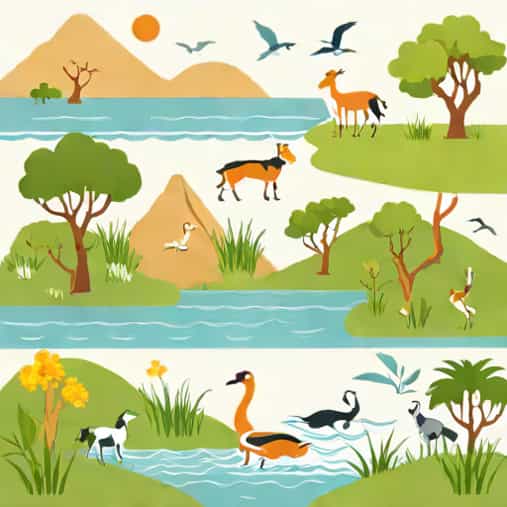
The Ganga-Brahmaputra basin is one of the most ecologically significant and biodiverse regions in South Asia. Spanning across multiple Indian states, Nepal, Bhutan, Bangladesh, and parts of Tibet, this vast river system supports a rich array of flora and fauna. The basin is nourished by two of the largest rivers in the Indian subcontinent-the Ganga and the Brahmaputra-which create fertile plains, wetlands, forests, and floodplains. These diverse habitats host a remarkable variety of plant and animal species, many of which are endemic or endangered. The flora and fauna of the Ganga-Brahmaputra basin not only play a critical role in maintaining ecological balance but also support human livelihoods, agriculture, and cultural practices in the region.
Geographical Overview of the Basin
The Ganga-Brahmaputra basin covers an area of over one million square kilometers, with the Ganga flowing through northern India and Bangladesh and the Brahmaputra originating in Tibet, flowing through northeastern India, and joining the Ganga in Bangladesh. The basin is characterized by its alluvial plains, dense forests, wetlands, and riverine ecosystems. Seasonal flooding enriches the soil, promoting lush vegetation and providing a habitat for aquatic and terrestrial species. This diversity of habitats contributes to the basin’s rich biodiversity and its role as a critical ecological hotspot in South Asia.
Climatic Influence on Biodiversity
The basin experiences a subtropical to tropical climate, with distinct monsoon seasons, heavy rainfall, and temperature variations. These climatic conditions support a wide range of ecosystems, from riverine forests and grasslands to marshes and wetlands. The seasonal monsoons replenish water bodies, sustain wetland habitats, and create favorable conditions for both plant and animal species to thrive. The climate, combined with fertile soil, makes the Ganga-Brahmaputra basin a biodiversity-rich region.
Flora of the Ganga-Brahmaputra Basin
The vegetation in the Ganga-Brahmaputra basin varies from tropical and subtropical forests in the lower regions to alpine vegetation in the Himalayan upper reaches. The basin is home to numerous species of trees, shrubs, grasses, and aquatic plants, many of which are vital for maintaining ecological balance and supporting local livelihoods.
Forests and Woodland Flora
- Tropical and subtropical forests dominate much of the lower basin, with species such as sal (Shorea robusta), teak (Tectona grandis), and sandalwood (Santalum album).
- Riverine forests along the banks of the Ganga and Brahmaputra support species like babool (Acacia nilotica), banyan (Ficus benghalensis), and neem (Azadirachta indica).
- Mangroves and wetlands in the delta regions include species such as sundari (Heritiera fomes) and various reeds that stabilize riverbanks.
- Alpine vegetation in the upper basin consists of medicinal plants, rhododendrons, and conifers that adapt to high altitudes and cold climates.
Grasslands and Wetland Flora
The floodplains of the Ganga-Brahmaputra basin support extensive grasslands and wetlands, which are essential for migratory birds and aquatic fauna. Common wetland plants include lotus (Nelumbo nucifera), water hyacinth (Eichhornia crassipes), and reeds that provide shelter for fish and amphibians. Grasslands support grazing animals and play a crucial role in maintaining soil fertility and preventing erosion.
Fauna of the Ganga-Brahmaputra Basin
The fauna of the Ganga-Brahmaputra basin is equally diverse, ranging from aquatic species in rivers and wetlands to terrestrial mammals, birds, and reptiles in forests and grasslands. The basin supports endangered species, endemic wildlife, and a variety of migratory animals.
Mammals
- Bengal tiger (Panthera tigris tigris) inhabits forests of the Brahmaputra valley and Sundarbans delta.
- Indian rhinoceros (Rhinoceros unicornis) is found primarily in Assam’s Kaziranga National Park, a key region of the basin.
- Elephants (Elephas maximus) roam forested areas, playing a crucial role in seed dispersal and forest regeneration.
- Other mammals include leopards, swamp deer, langurs, and small carnivores such as civets and mongooses.
Birds
The basin is a hotspot for avian diversity, including both resident and migratory species. Wetlands, floodplains, and forests provide critical breeding and feeding grounds. Notable species include
- Sarasa cranes and various species of storks in wetland areas.
- Pheasants, hornbills, and parrots in forested regions.
- Migratory birds such as bar-headed geese and Brahminy ducks that visit during winter.
- Kingfishers, herons, and egrets along rivers and lakes.
Reptiles and Amphibians
The aquatic and terrestrial habitats of the basin support reptiles and amphibians that are both ecologically important and culturally significant. Examples include
- Gharials (Gavialis gangeticus), a critically endangered crocodilian species found in the Ganga and Brahmaputra rivers.
- Indian pythons, monitor lizards, and various species of snakes in forests and wetlands.
- Frogs, toads, and salamanders that thrive in wetlands and marshes, playing a role in pest control and as indicators of ecosystem health.
Fish and Aquatic Life
The rivers and wetlands of the basin are home to diverse fish species, supporting both ecological balance and local fisheries. Some key species include
- Hilsa (Tenualosa ilisha), a migratory fish important to the economy and culture of Bengal and Bangladesh.
- Catfish, carp, and river sharks that inhabit freshwater rivers and floodplains.
- Endangered species such as the golden mahseer (Tor putitora), which require clean, fast-flowing rivers for survival.
Threats to Flora and Fauna
Despite its richness, the Ganga-Brahmaputra basin faces several environmental challenges that threaten its biodiversity. Habitat loss due to urbanization, industrialization, and agricultural expansion has resulted in deforestation and wetland degradation. Pollution from industrial discharge, sewage, and agricultural runoff has severely impacted aquatic ecosystems. Additionally, poaching and human-wildlife conflict have placed pressure on endangered species such as tigers, rhinos, and gharials. Climate change and changing monsoon patterns also pose a long-term threat to the basin’s ecosystems.
Conservation Efforts
- Establishment of national parks and wildlife sanctuaries, including Kaziranga, Manas, and Sundarbans.
- Community-based conservation programs to protect endangered species and restore habitats.
- Policies to regulate industrial and agricultural pollution to maintain water quality.
- Afforestation and wetland restoration projects to mitigate habitat loss.
- International cooperation to conserve migratory birds and shared water resources.
The Ganga-Brahmaputra basin is a treasure trove of biodiversity, hosting a wide variety of flora and fauna that sustain ecological balance and support human livelihoods. From lush tropical forests and fertile floodplains to wetlands and alpine vegetation, the basin provides habitat for mammals, birds, reptiles, amphibians, and fish, many of which are endangered or endemic. Preserving this biodiversity is essential for environmental stability, cultural heritage, and economic sustainability in the region. Conservation efforts must continue to address threats such as habitat loss, pollution, and climate change to ensure that the flora and fauna of the Ganga-Brahmaputra basin thrive for generations to come.